
Mangalorean ghee roast — also called Kundapur ghee roast — is a signature dish of coastal Karnataka, in which chicken or prawns are roasted in generous ghee with a tangy, brick-red masala. The spice paste is ground from Byadgi and Kashmiri red chillies, garlic, tamarind, and roasted whole spices, giving a colour that is deep red but not searingly hot. The marinated protein is cooked down in ghee until the masala clings as a glossy, semi-dry coat. It is intensely aromatic, sour-spicy, and rich, usually eaten with neer dosa, rice, or rotis.



Ghee roast is documented as a 20th-century creation of Kundapura, a coastal town north of Mangalore. It is widely traced to Shetty Lunch Home, opened in the late 1950s by Tejappa Shetty and his wife Prabhavathi of the local Bunt community, where the chicken ghee roast emerged as a house specialty before spreading to Mangalore eateries such as Ideal and Maharaja. From there 'Kundapur chicken ghee roast' became a fixture of coastal Karnataka restaurant menus, with a prawn version following the same masala.
The chicken comes out coated in a thick, glossy red masala that clings to every piece, semi-dry rather than gravied. The first note is tamarind-sour and garlic-sharp, backed by the deep, fruity warmth of Byadgi chilli and a heavy richness from the ghee. The heat is steady but not punishing, and the meat stays moist under its lacquer of spice. Best torn up and folded into soft neer dosa, which soaks the ghee and tempers the tang.
Two stages carry the dish. First, dried Byadgi and Kashmiri chillies — prized for deep red colour and modest heat — are soaked and ground with garlic, tamarind, and dry-roasted coriander, cumin, and peppercorns into a smooth, sour-hot paste; the chillies' carotenoid pigments dissolve into the fat and give the finished roast its red sheen. Second, the marinated chicken is cooked slowly in a large quantity of ghee: the fat conducts heat evenly, blooms the ground spices, and reduces with the marinade until the masala thickens and coats the meat in a glossy, almost-dry layer. The tamarind keeps the dish sour-forward and balances the richness of the ghee.
Variations
Chicken ghee roast is the classic; the same masala makes prawn ghee roast, and mutton and paneer versions follow. Heat and tang vary by kitchen, and some cooks finish with curry leaves crackled in ghee. It is a close cousin of the region's drier chicken and prawn 'sukka' preparations, which use a similar coastal Mangalorean spice base but less ghee and a coconut accent.
On the Palate
Where Mangalorean Ghee Roast sits in the Indian flavor cloud
Ingredients
Serves 4

How it's made
8 steps · 30 min
- 160 min
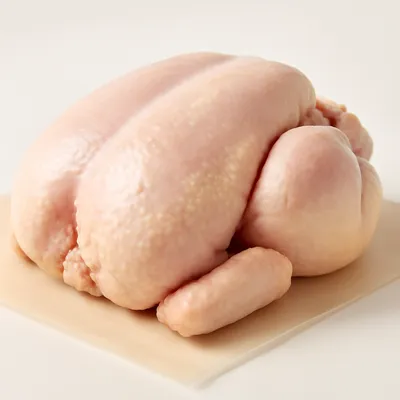
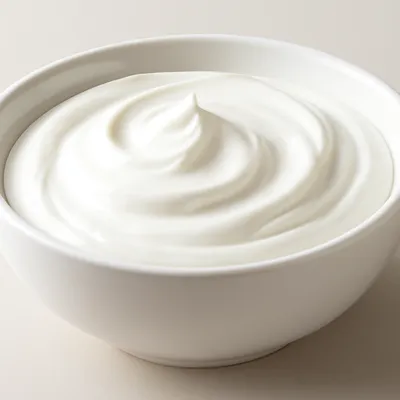
Marinate chicken pieces in yogurt, turmeric, and salt and rest for at least an hour.
- 215 min
Soak Byadgi and Kashmiri dried chillies in warm water until softened.
- 34 min
Dry-roast coriander seeds, cumin, fenugreek, and peppercorns until fragrant.
- 45 min
Grind the soaked chillies, roasted spices, garlic, and tamarind to a smooth paste.
Watch outGrind the soaked chilies and roasted spices to a truly smooth paste — the chilies' red pigment dissolves into the fat and gives the finished roast its glossy red sheen.
- 56 min
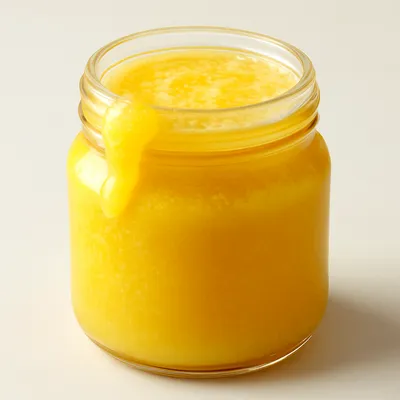
Sear the marinated chicken in a little ghee until lightly browned, then set aside.
- 68 min
Heat the rest of the ghee, add the ground masala, and cook it down until the raw smell goes and ghee separates at the edges.
Watch outCook the masala down until the raw smell goes and the ghee separates at the edges — that fat breaking out is the sign the paste is properly bloomed.
- 712 min
Return the chicken, add salt and a little water, and cook until the masala thickens and coats the pieces in a glossy, semi-dry layer.
Watch outCook until the masala thickens into a glossy, semi-dry layer clinging to the chicken — the tamarind keeps it sour-bright, so reduce it to a coat, not a gravy.
- 83 min
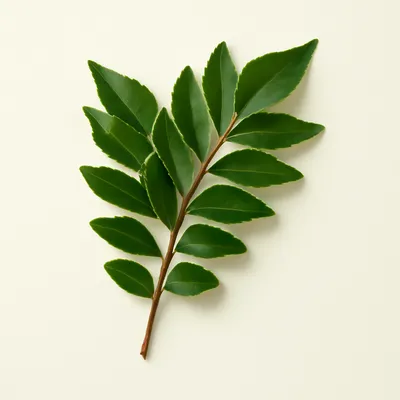
Finish with curry leaves crackled in ghee and serve hot with neer dosa or rice.
Archive tool suggestions — not reviewed
These legacy suggestions have not been evidence-reviewed and are not presented as required tools.


