Chettinad's definitive one-pot rice-and-chicken dish, built on seeraga samba — a small, intensely aromatic short-grain rice cultivated in the Cauvery delta — cooked with whole-spice-marinated chicken until every grain absorbs the full depth of the Chettinad spice palette. Stickier and more spice-saturated than any basmati-based biryani, it is unmistakably South Indian rather than Mughal-derived.


Seeraga samba rice has been cultivated in the Cauvery delta — centered on Thanjavur and Trichy districts — for centuries, and food historians trace short-grain aromatic rices as indigenous to the Tamil region well before basmati became the dominant biryani grain across northern South Asia. The Nattukkotai Chettiars, prosperous merchant bankers whose trading networks extended from Chettinad to Burma and Southeast Asia, maintained a kitchen tradition distinct from Mughal-influenced biryanis: they used local seeraga samba over imported long-grain rice and a single sealed-pot method over the layered dum technique. The dish's spice foundation — kalpasi, marathi moggu, star anise, and large quantities of whole black pepper — is the same Chettinad masala arsenal applied to rice rather than a curry base, creating a biryani that tastes of no other Indian regional kitchen.
Shorter, stickier grains than any basmati biryani, spice-saturated to the core rather than surface-coated; the chicken yields a mahogany crust from the whole-spice sear giving way to moist, marinated flesh; kalpasi's mossy earthiness threads through every bite as the unmissable Chettinad note.
Seeraga samba rice has a lower amylose content (approximately 12–15%) compared to basmati (over 25%), so starch gelatinization produces a stickier, more cohesive texture that acts as a sponge for fat-soluble spice volatiles dissolved in the cooking ghee. Initial tempering of whole spices in hot ghee extracts terpene aromatic compounds and fixes them in the fat base; when marinated chicken is added, Maillard reactions on the protein surface at 160–180°C generate complex aroma compounds that merge with the spice layer. Adding washed rice and hot water triggers simultaneous gelatinization and spice absorption, concentrating flavor in every grain as the liquid reduces to zero.
Variations
A vegetarian version substitutes seasonal vegetables or fresh paneer for the chicken; some cooks add a layer of crisp fried shallots between chicken and rice for sweetness and textural contrast. Mutton replaces chicken in a richer version requiring 2 hours' marination and 30 extra minutes of cooking.
On the Palate
Where Seeraga Samba Kozhi Biryani sits in the Indian flavor cloud
Ingredients
Serves 4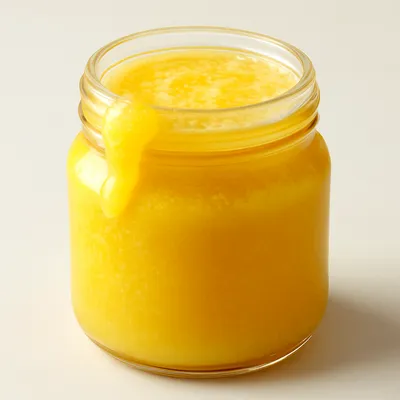
How it's made
8 steps · 1 hour 30 min
- 160 min
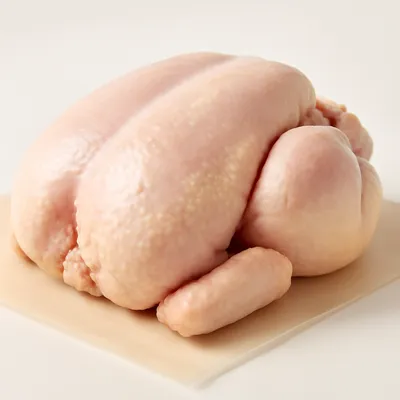
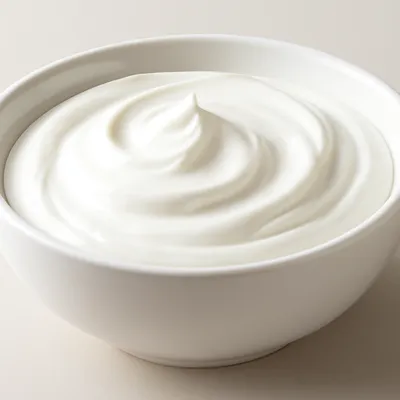
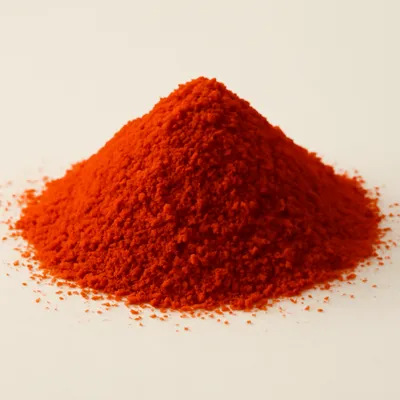
Combine chicken pieces with yogurt, ginger-garlic paste, chilli powder, turmeric, and half the whole spices; marinate for at least 1 hour.
- 220 min
Wash seeraga samba rice under running water until clear; soak in cold water for 20 minutes, then drain completely.
- 31 min
Heat ghee in a heavy-bottomed pot over medium-high heat; add the remaining whole spices and fry for 1 minute until fragrant.
- 48 min
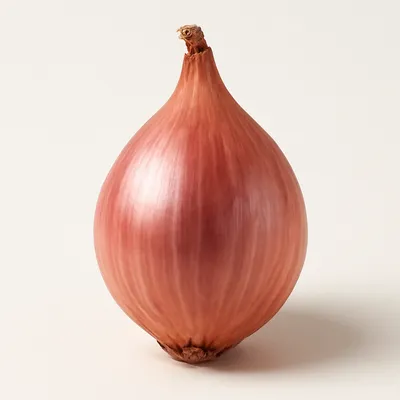
Add thinly sliced pearl shallots and sauté, stirring often, until deeply golden-brown.
Watch outFry the shallots to a deep golden-brown — they carry much of the biryani's sweetness and colour; pull them pale and the rice tastes underbuilt.
- 58 min
Add the marinated chicken with all marinade; increase heat to high and sear, turning pieces, until the chicken skin develops a brown crust.
- 65 min
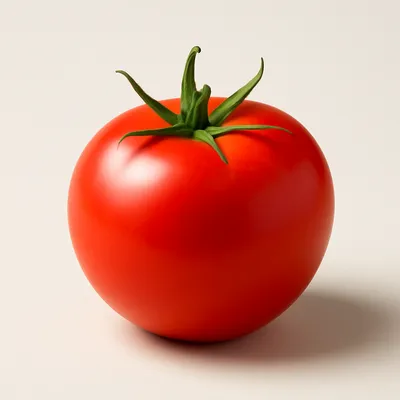
Add tomatoes and cook, stirring, until they collapse and the liquid reduces, about 5 minutes.
- 73 min
Add the drained seeraga samba rice; stir gently to coat each grain in the masala and ghee.
- 825 min
Pour in 450ml hot water, bring to a rolling boil, then reduce heat to the lowest setting, cover tightly, and cook until all liquid is absorbed and rice is tender, about 20 minutes; rest covered for 5 minutes before serving.
Watch outOnce the water's in and boiling, drop to the lowest heat, seal tight and don't peek — lift the lid and the trapped steam escapes, leaving the rice unevenly cooked.


