
Patishapta is a thin Bengali crepe of rice flour, semolina and a little wheat flour, rolled around a sweet filling of coconut cooked down with date-palm jaggery, or of kheer (reduced, sweetened milk). It is the best-loved of the pithe — the family of winter rice sweets made for Poush Sankranti, the harvest festival on the last day of the Bengali month of Poush. 'Pati' suggests a mat or roll and 'shapta' something flat, so the name is essentially 'rolled crepe'. Soft, faintly chewy and scented with the smoky-caramel nolen gur of winter, it is a homemade festive sweet eaten warm, often with a drizzle of more jaggery or a spoon of kheer.




Patishapta belongs to the winter pithe-puli tradition of Bengal, the array of rice-based sweets made for Poush Sankranti (also called Poush Parbon or Pithe Parbon), the harvest festival falling on the last day of the Bengali month Poush in mid-January, which coincides with Makar Sankranti across India. As a seasonal home sweet tied to the fresh winter date-palm jaggery (nolen gur) harvest, it has no single documented origin but is one of the oldest and most widespread Bengali pithe, made in nearly every household for the festival on both sides of Bengal. Its identity is bound to the season: the smoky liquid nolen gur and the gur-cooked coconut filling are at their best only in the cool months when the date palms are tapped.
A soft, pale crepe — thin and pliable, lightly browned at the edges — wrapped snugly around a warm, moist filling. Bite through and the coconut-jaggery centre is fragrant and sweet with the distinctive smoky-caramel note of nolen gur and the chew of grated coconut; the kheer version is creamier, milkier and softer. The crepe itself is mildly sweet and tender with a faint rice-flour bite. Eaten warm, it is gentle and comforting rather than rich — a homely festival sweet, sometimes with extra liquid jaggery spooned over or set in a pool of kheer.
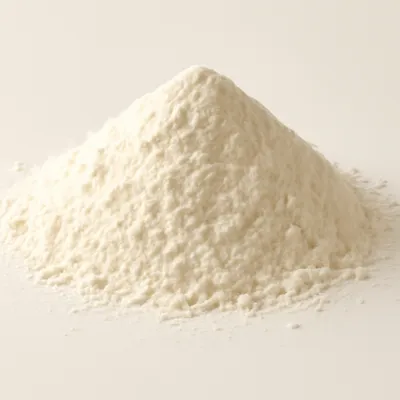
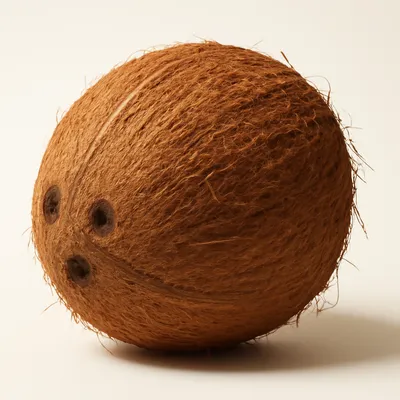
Two things matter: a crepe thin enough to roll without cracking, and a filling that stays moist. The batter blends rice flour (for tenderness), semolina (for a little structure and chew) and a little wheat flour or maida (for the gluten that lets it stretch and roll), rested so the grains hydrate; too much rice flour and it cracks, too much wheat and it turns rubbery. It is poured thin onto a lightly greased pan and cooked on one side only over gentle heat until just set — never crisp — so it stays foldable. The coconut filling (narkel pur) is grated coconut slow-cooked with jaggery until sticky and dry enough to hold; over-reduced it turns hard, under-reduced it weeps. The filling is laid in a line on the soft crepe and rolled while warm; the kheer version uses milk reduced to a thick, spoonable cream.
Variations
The two classic fillings are gurer patishapta (coconut cooked with nolen gur) and khirer patishapta (kheer/reduced milk), and many cooks combine them — a coconut core inside a kheer-lined crepe, or kheer poured over the rolled crepes to serve. Modern home cooks lighten the batter with more maida or add a little milk or coconut milk for softness; some add a pinch of cardamom or a few chopped nuts. The wider pithe family of the same festival includes steamed dumplings (bhapa pithe) and fried ones (puli pithe), but patishapta is the rolled-crepe member. Nolen gur is preferred when in season; cane jaggery or sugar stands in otherwise.
On the Palate
Where Patishapta sits in the Indian flavor cloud
Ingredients
Serves 4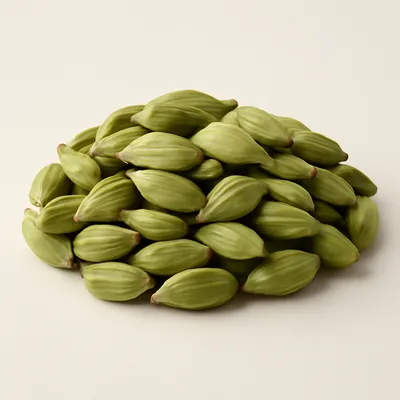

How it's made
6 steps · 40 min
- 120 min
Cook the coconut filling: simmer grated coconut with date-palm jaggery (and a pinch of cardamom) over low heat until sticky and dry enough to hold a shape; cool.
Watch outCook the coconut with jaggery until sticky and dry enough to hold a shape — too wet a filling seeps out and tears the crepe as you roll.
- 230 min
Whisk a thin batter of rice flour, semolina and a little wheat flour with milk or water and a touch of sugar; rest 30 minutes.
- 315 min
If using kheer, reduce milk with sugar to a thick, spoonable cream and set aside.
- 46 min
Lightly grease a flat pan over gentle heat; pour a thin layer of batter and swirl into an oval crepe, cooking one side only until just set.
Watch outPour the batter thin and cook one side only until just set — never crisp, or the crepe cracks instead of folding around the filling.
- 53 min
Lay a line of coconut (or kheer) filling along the crepe and roll it up snugly while still soft and warm.
- 62 min
Serve warm, optionally drizzled with extra liquid jaggery or set in a little kheer.
Archive tool suggestions — not reviewed
These legacy suggestions have not been evidence-reviewed and are not presented as required tools.


