


From Lucknow, attributed in the late 18th century to the royal kitchens of Awadh and to Persian-trained bakers who served the Nawabs. The name derives from Persian shir (milk) — the dough is kneaded with warm milk, not water. It spread to Hyderabad and Old Delhi via Mughal court mobility and remains a fixture at Muharram in Shia households.
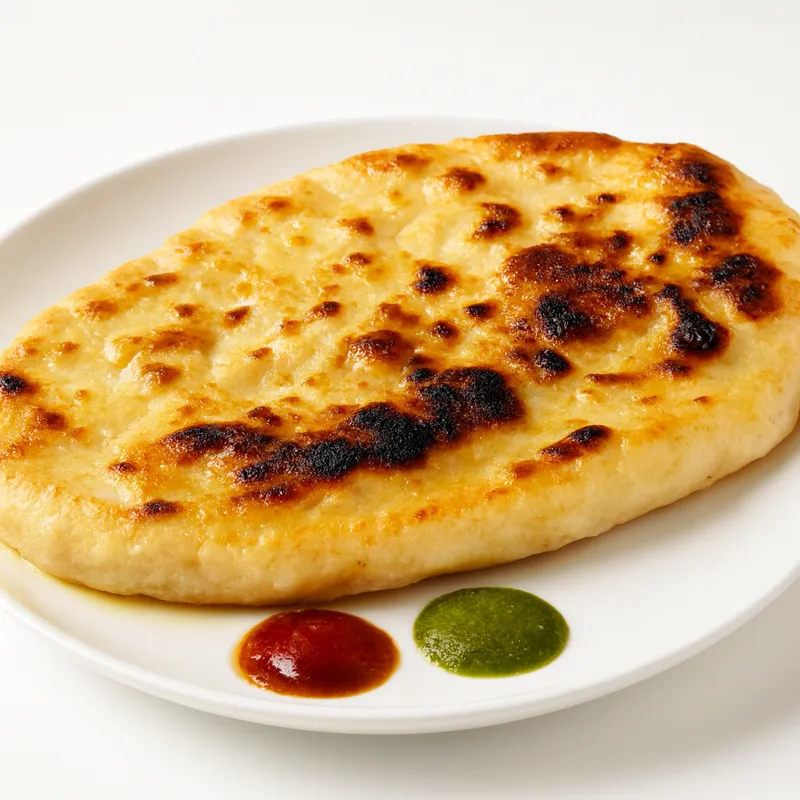
From late-18th-century Awadhi royal kitchens — name from Persian shir, milk. The dough is kneaded with warm milk, not water; lactose caramelizes during baking and gives the brown freckling on top. Tandoor-baked is original; oven versions go drier.
Saffron-yellow, slightly sweet, soft as a baby's blanket. Tear a piece; the surface glistens with ghee. Eaten with nihari at weddings, or just alone with chai — the bread that signals an occasion.
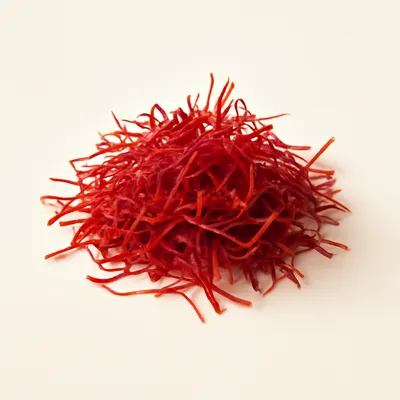
Saffron added to the dough — not just on top — colors the whole bread through during the bake, not just the crust. The slight sweetness balances the savory richness of meat curries; sheermal alone is too sweet, but with nihari, it's perfectly calibrated.
Variations
Lucknowi sheermal is sweeter and softer; Pakistani Punjabi sheermal is denser and less sweet; modern bakeries sometimes add cardamom — the recipe drifts across the border with the cuisine.
On the Palate
Where Sheermal sits in the Indian flavor cloud
Ingredients



How it's made
5 steps · 2 hours
- 135 min
Dissolve yeast in warm milk.
- 27 min
Mix with wheat flour, sugar, saffron, and cardamom.
Watch outBloom the saffron into the warm milk first so the whole dough takes an even gold — dry threads stirred in leave pale streaks through the crumb.
- 316 min
Knead into a soft dough.
- 458 min
Roll into flatbreads and bake until golden.
Watch outBake just until the top is deep gold and springs back — sheermal dries out fast, so pull it while the crumb still gives under a finger.
- 55 min
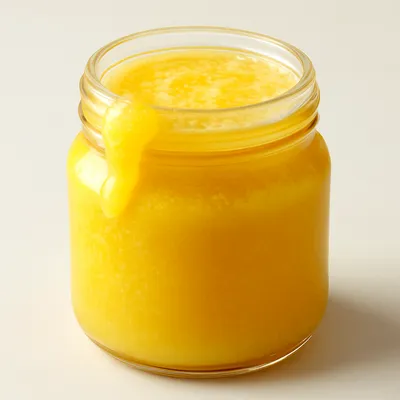
Brush with ghee before serving.
Watch outBrush the ghee on while the bread is still hot so it soaks in and sets that glossy sheen instead of sitting greasy on top.
Archive tool suggestions — not reviewed
These legacy suggestions have not been evidence-reviewed and are not presented as required tools.