Assam's rice pudding — the local form of the pan-Indian kheer/payesh/payasam — in which aromatic Joha rice is slow-simmered in milk until thick and creamy, sweetened with jaggery or sugar, and perfumed with cardamom. Served as part of jolpan and at Rongali Bihu, it is a festive as well as an everyday sweet, made richer by Assam's exceptional rice.
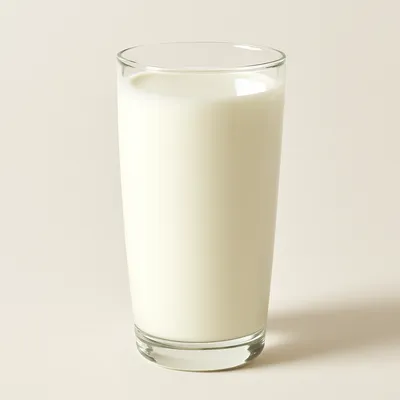


Payakh (payokh, payas) is the Assamese form of the pan-Indian rice pudding tradition known elsewhere as kheer (North India), payesh (Bengal), and payasam (South India) — the slow-simmering of rice in milk until the milk concentrates and the rice softens into a creamy pudding. What distinguishes the Assamese payakh is the rice: Joha rice, Assam's short-grain aromatic landrace, prized for its fragrance and used in the region's finest sweets and jolpan. The dish is made by simmering Joha rice gently in full-cream milk for a long time, stirring often, until the milk's water evaporates and its solids concentrate into a creamy, slightly caramel-colored base; jaggery (traditionally) or sugar sweetens it, cardamom perfumes it, and nuts garnish. Payakh is both a festive dish — served at Rongali Bihu and as temple bhog — and an everyday jolpan item, and its reliance on Joha rice ties it to Assam's exceptional rice heritage and the agricultural wealth of the Brahmaputra valley.
Creamy, fragrant, and gently sweet, with the distinctive perfume of Joha rice, the warm halo of cardamom, and the crunch of nuts in a thick, slow-cooked milk.
Payakh's texture rests on the slow concentration of milk and the starch of the rice. As the milk simmers for a long time, its water evaporates and its lactose, proteins, and minerals concentrate, thickening it into the creamy, slightly caramel-colored base characteristic of any kheer; the slow heat also denatures the milk's casein gently (below a hard boil, with stirring) so it stays smooth rather than curdling. The Joha rice's starch gelatinizes as it cooks in the milk, and as the grains soften and partially break down, their starch leaches into the surrounding liquid, further thickening it and giving the pudding body; the rice's own aromatic compounds — the same ones that make Joha rice prized as a cooked grain — are carried into the pudding by the long simmer. Adding the jaggery at the end (rather than with the milk) prevents it from interfering with the milk's protein-coagulation and the rice's starch gelatinization, which is a traditional kheer technique; the jaggery's molasses minerals add depth, and the nuts and cardamom supply fat-soluble aromatics carried by the milk's fat.
Variations
A black-rice version is darker and richer; coconut milk thins some festive forms, and sugar substitutes for jaggery where it is scarce.
On the Palate
Where Payakh sits in the Indian flavor cloud
Ingredients
Serves 5How it's made
6 steps · 10 min
- 13 min
Rinse and lightly soak Joha rice.
- 25 min
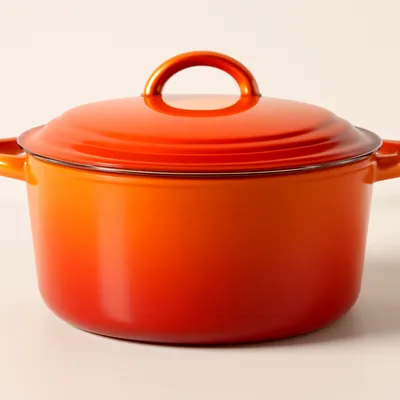
Bring full-cream milk to a boil in a heavy pan, then lower to a simmer.
- 330 min
Add the rice and cook, stirring often, until the milk thickens considerably and the rice is very soft.
Watch outSimmer, stirring often, until the milk thickens considerably and the rice is very soft — keep it below a hard boil so the casein stays smooth, not curdled.
- 45 min
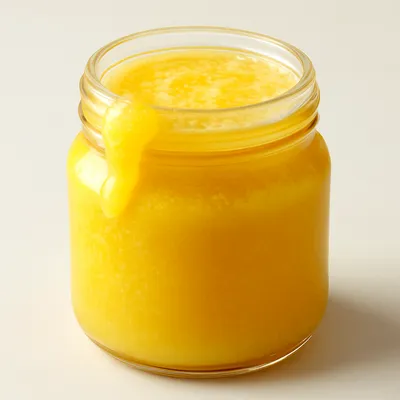
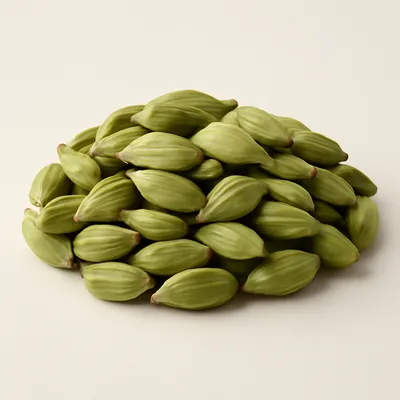
Stir in jaggery (or sugar), cardamom powder, and a little ghee.
- 55 min
Simmer a few minutes more until the pudding is thick and creamy.
Watch outPull it while still pourable — remember the payakh keeps thickening as it cools, so stop just short of the texture you want.
- 62 min
Garnish with fried nuts and serve warm or chilled.
Archive tool suggestions — not reviewed
These legacy suggestions have not been evidence-reviewed and are not presented as required tools.