
Gutti Vankaya Kura is a classic Andhra dish of small brinjals (eggplants) stuffed with a roasted peanut-sesame-coconut masala and simmered until tender. The little eggplants are slit into quarters but left joined at the stem, packed with a ground paste of dry-roasted peanuts, sesame, coconut, coriander and cumin, then cooked gently in a spiced onion-tamarind gravy until they collapse and absorb the masala. It is a rich, nutty, mildly sour side eaten with rice, roti or even biryani.
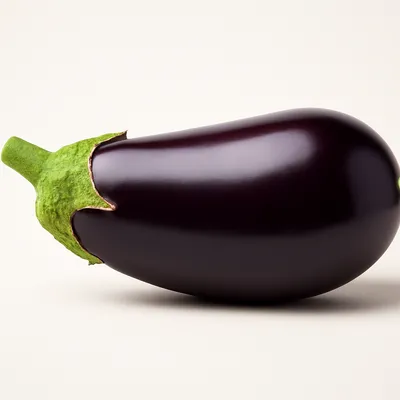



Gutti Vankaya Kura is a staple of Andhra Pradesh and Telangana home cooking — gutti means stuffed and vankaya is the Telugu word for brinjal. Small, tender purple brinjals are a everyday vegetable across the Telugu country, and stuffing them with a roasted peanut-and-sesame masala is a regional signature; the same nut-and-seed base recurs across Andhra vegetable curries. The exact origin is unrecorded, as it is a domestic dish rather than a documented court or restaurant creation, and the masala varies from household to household.
The whole little eggplant comes apart at the touch of a spoon, skin soft and flesh almost melting, soaked through with the spiced gravy. The stuffing is the heart of it: ground peanuts and sesame give a rich, savory thickness, coconut a faint sweetness, and tamarind a gentle sour edge that cuts the richness. There is moderate chili heat, the nutty paste rounding it out. Eaten with rice, the gravy and the soft eggplant fold together into something deeply savory.
Dry-roasting the peanuts, sesame and coconut before grinding is what builds the flavor — heat triggers Maillard browning in the nuts and toasts the seeds' oils, deepening them from raw to savory and aromatic; ground while warm, the natural oils help the spices bind into a cohesive paste. Slitting the brinjals but keeping them whole at the stem lets them hold the stuffing while the flesh steams soft from within. They are cooked gently and covered, so the eggplant steams in the gravy rather than frying hard; tamarind's acid both seasons and keeps the cut flesh from browning. The nut paste also thickens and emulsifies the gravy.
Variations
The same stuffed-brinjal technique yields several Andhra dishes: a drier Gutti Vankaya Fry (cooked down with little or no gravy), a tamarind-forward gutti vankaya pulusu (a more sour, stew-like gravy), and a sesame-heavy nuvvula version. Karnataka's Ennegai (badanekai) is a close cousin using a similar nut-and-seed paste. Households adjust the balance of peanut, sesame and coconut, and how much tamarind goes in.
On the Palate
Where Gutti Vankaya Kura sits in the Indian flavor cloud
Ingredients
Serves 4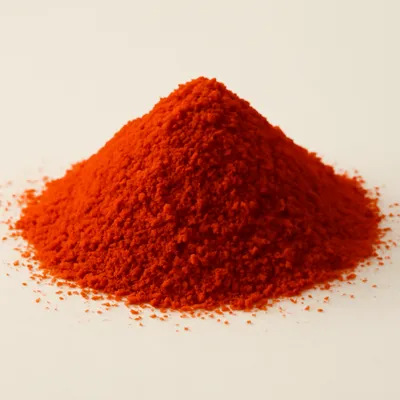


How it's made
7 steps · 30 min
- 115 min
Wash small brinjals and slit each into quarters from the base, keeping the stem end intact.
- 212 min
Dry-roast peanuts, sesame seeds, grated coconut, coriander and cumin, then grind to a thick masala paste.
Watch outDry-roast the peanuts, sesame and coconut before grinding — the toasting is what builds the flavor, taking them from raw to savory; grind while warm so the oils bind the paste.
- 38 min
Mix the paste with salt, turmeric and red chili powder, and stuff it firmly into each brinjal.
- 48 min
Heat oil and saute sliced onions until soft; add any leftover masala and a thin tamarind extract.
- 55 min
Place the stuffed brinjals into the gravy, spoon some over them, cover, and simmer gently.
- 620 min
Cook on low heat, turning carefully, until the brinjals are tender and the gravy thickens around them.
Watch outCook covered on low, turning gently, until the brinjals are tender and the gravy thickens around them — let them steam soft in the sauce rather than fry hard.
- 73 min
Garnish with coriander and serve hot with rice or roti.
Archive tool suggestions — not reviewed
These legacy suggestions have not been evidence-reviewed and are not presented as required tools.


