
Gongura Mutton (Gongura Mamsam) is a signature Andhra curry of bone-in goat meat braised with gongura — the sour leaves of roselle (Hibiscus sabdariffa var. rubra). The meat is first slow-cooked with onions, ginger-garlic, Guntur red chili and a pounded spice blend until tender, then the gongura leaves are sauteed down to a dark green-brown pulp and folded in. The result is a thick, tangy, fiery gravy whose sourness comes from the leaf itself rather than tomato or tamarind. A tempering (tadka) of mustard seeds, dried chilies, garlic and curry leaves is poured over at the end, and it is eaten with steamed rice.
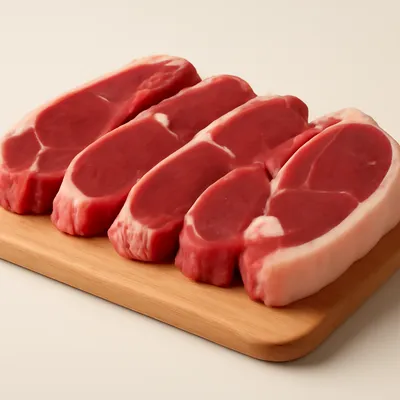


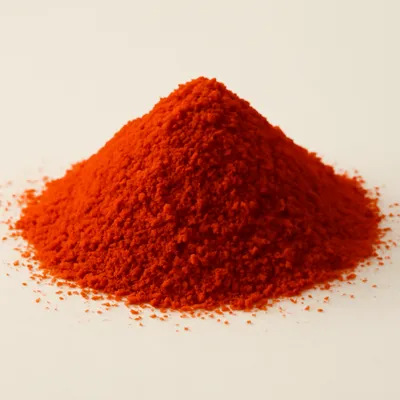

Gongura Mutton belongs to the home and meat-shop cooking of Andhra Pradesh and Telangana, where gongura (roselle leaf) is a staple souring green rather than a special ingredient. Andhra Pradesh is India's leading producer of red chili, and the cuisine is among the country's hottest; gongura curries — vegetarian, with prawns, with chicken, and with mutton — are a defining regional family rather than the invention of any single cook or court. The exact origin of the mutton version is unrecorded, but it follows the long-standing Telugu practice of cooking meat with a sour leaf to cut the fat and lift the chili heat.
The gravy is thick and dark, clinging to bone-in pieces of goat. First taste is the sharp, almost lemony sourness of the gongura leaf, then the slow build of Guntur chili heat behind it. The mutton pulls cleanly off the bone, slick with rendered fat that the sour leaf cuts through. Eaten hot over plain rice, it is salty, sour and fiery all at once, with the green, slightly grassy note of cooked-down roselle running underneath.
The sourness is built into the leaf: roselle (Hibiscus sabdariffa) is rich in organic acids, chiefly hibiscus and citric acid, so no tamarind or tomato is needed. Cooking the leaves down breaks their cell walls and concentrates that acid into a pulp that emulsifies with the meat's fat. The mutton is braised separately first — bone-in, on low heat — so collagen converts to gelatin and the meat goes tender before the acid is introduced; adding the sour leaf too early would slow that breakdown, since acid toughens muscle protein. The final tadka blooms whole mustard seeds and dried chili in hot oil (around 170-180°C) to layer aroma on top of the simmered base.
Variations
Gongura is cooked the same way with other proteins: Gongura Royyalu (with prawns), Gongura Kodi (chicken), and a purely vegetarian gongura pachadi (a sour chutney). Some Telangana versions add more onion and a coarser pounded masala; coastal Andhra cooks tend toward a thinner, hotter gravy. Gongura Mamsam is also folded into rice as Gongura Mutton Biryani.
On the Palate
Where Gongura Mutton sits in the Indian flavor cloud
Ingredients
Serves 4


How it's made
7 steps · 30 min
- 115 min
Wash and pick over a large bunch of gongura (roselle) leaves; clean and cut bone-in mutton into pieces.
- 212 min
Brown sliced onions in oil, add ginger-garlic paste, then the mutton, turmeric, Guntur red chili powder, coriander and salt; sear well.
Watch outOnions and spices fry until the oil separates and the raw smell is gone.
- 340 min
Add a little water, cover, and slow-braise (or pressure-cook) the mutton until fork-tender.
- 412 min
In a separate pan, saute the gongura leaves with a few green chilies until they wilt and collapse into a dark pulp.
Watch outGongura wilts and collapses into a dark, thick pulp.
- 515 min
Fold the cooked gongura pulp into the tender mutton and simmer together so the gravy thickens and the sourness melds.
- 65 min
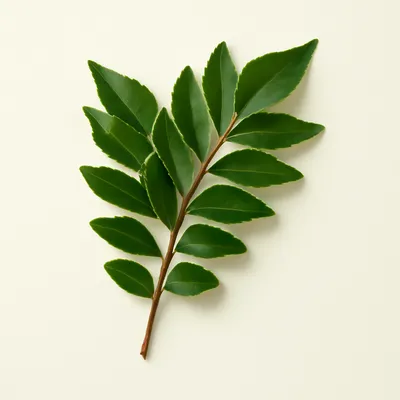
Prepare a tadka: heat oil, crackle mustard seeds, dried red chilies, garlic cloves and curry leaves.
Watch outMustard seeds crackle and pop in the hot oil.
- 76 min
Pour the hot tadka over the curry, stir once, and rest a few minutes before serving with steamed rice.
Archive tool suggestions — not reviewed
These legacy suggestions have not been evidence-reviewed and are not presented as required tools.


