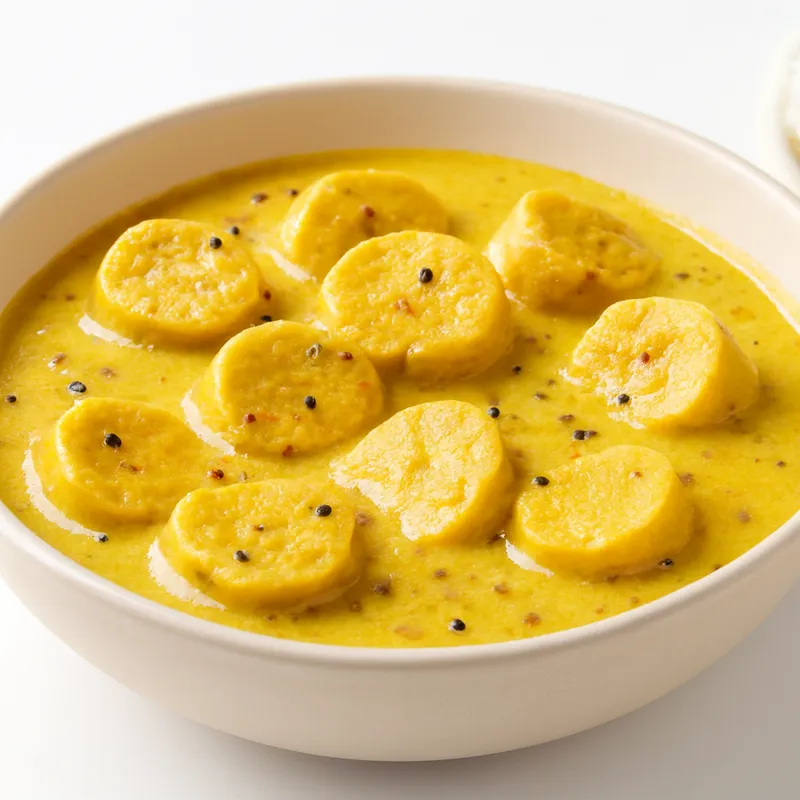
Dum ka Murgh is the ceremonial slow-cooked chicken of the Nizam's court — a whole or jointed chicken marinated in saffron, fried onions, green chilli paste, and nut pastes, then sealed into a wide-bellied lagan or clay handi with dough and cooked entirely in its own steam over a low flame. The result is an intensely aromatic, melt-in-the-mouth chicken in a rich, cream-free gravy whose depth comes from nuts and caramelized onions alone.


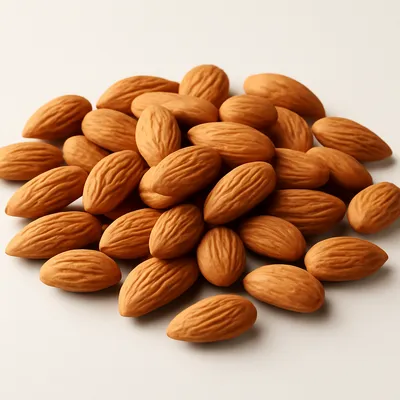
Dum ka Murgh emerged from the royal kitchens of the Hyderabadi Nizams during the 18th century, under the culinary governance that began with Asaf Jah I (r. 1724–1748) and was codified in the 19th-century Nizam cookbook Khwan Ne'mat-e-Asafiya, which lists preparations demanding saffron, multiple ground masalas, and sealed degh vessels as hallmarks of regal hospitality. The dish is also recorded as Lagan ka Murgh — named for the wide, shallow lagan vessel in which it was traditionally cooked over charcoal with burning embers placed both above and below, ensuring 360-degree heat. It is one of the Hyderabadi banquet dishes developed to complement the biryani service, its liberal use of green chilli and tamarind in the marinade distinguishing it from the cream-thinned dum chicken preparations of Lucknow and Delhi. The dish's characteristic triple-nut base — almond, cashew, and fresh coconut — is a Deccani signature not found in northern dum chicken traditions.
Lifting the dough seal releases a rush of saffron-cardamom steam that perfumes the air before a single bite is taken. The chicken falls from the bone with the gentlest pressure — no knife required — its flesh saturated with the marinade's green chilli warmth and the gentle sweetness of caramelized onions. The gravy is thick and glossy from the nut pastes, with a background hum of kewra water and a barely perceptible tamarind tartness threading through the finish.
The sealed dum environment is the defining mechanism. Once the dough-sealed lagan is placed over low heat (approximately 120–140°C), the moisture in the marinade — yogurt, nut pastes, and the natural water content of the chicken itself — converts to steam that cannot escape. This creates a self-pressurizing microenvironment where steam circulates continuously, cooking the chicken evenly from all sides at temperatures above the normal boiling point of water. Over 60–90 minutes, collagen in the chicken's joints and skin fully converts to gelatin, contributing viscosity to the reduced marinade. Simultaneously, the Maillard reaction operates slowly at the lower temperatures achievable in dum cooking, generating brown flavor compounds on the chicken's surface and in the reduced aromatics without the harsh char of high-heat roasting. The fat from fried onions and nut pastes emulsifies with the aqueous marinade under prolonged heat, producing the characteristic thick, glossy gravy without any added cream.
Variations
Lagan ka Murgh is the identical dish named for the specific wide lagan vessel, traditionally cooked outdoors over charcoal with embers on the lid. Dhungar variation adds a final charcoal-smoke step: a piece of burning charcoal is placed in a small steel bowl set inside the pot, ghee is drizzled over it, and the lid immediately replaced to infuse 1–2 minutes of woodsmoke. A lighter Hyderabadi dum chicken uses boneless pieces and omits the nut paste, relying on yogurt and green chillies alone for a sharper, less rich result.
On the Palate
Where Dum ka Murgh sits in the Indian flavor cloud
Ingredients
Serves 4


How it's made
7 steps · 30 min
- 115 min
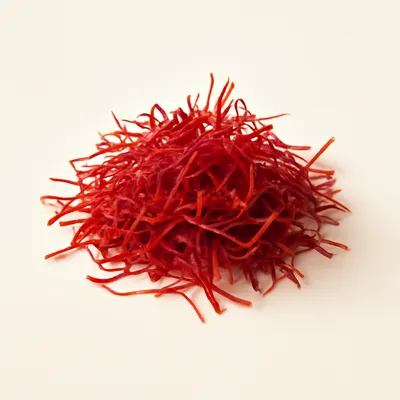
Toast a large pinch of saffron in a dry pan for 30 seconds, then steep in 3 tbsp warm milk for 10 minutes. Fry 3 large onions in ghee until deep golden; drain and set aside, reserving the ghee.
- 25 min
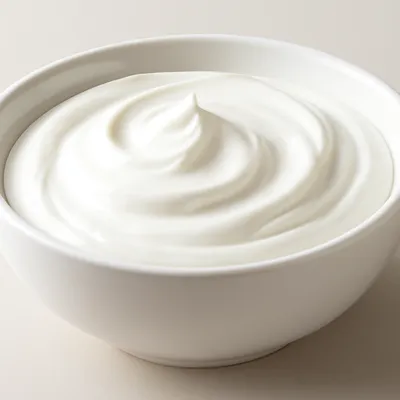
Blend together: 2 tbsp cashew paste, 1 tbsp almond paste, 2 tbsp fresh grated coconut, 4 green chillies, 1 tbsp ginger-garlic paste, 1 tsp red chilli powder, ½ tsp turmeric, 1 tsp garam masala, and ½ cup yogurt into a smooth marinade.
- 3240 min
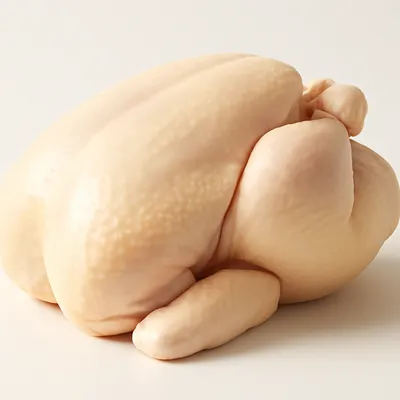
Score a whole chicken (1.2kg) deeply at the thigh and breast joints. Rub the marinade thoroughly into all cuts and under the skin. Add half the fried onions and the saffron milk. Marinate for at least 4 hours, or overnight.
Watch outScore deep into the thigh and breast joints and rub the marinade right into the cuts and under the skin — that's how the spice reaches the bone through the long, moist cook.
- 43 min
Place the marinated chicken in a wide-bottomed lagan or heavy handi along with all the marinade. Drizzle 2 tbsp of the reserved onion ghee over the top.
- 55 min
Mix 1 cup flour with enough water to form a stiff dough. Roll into a rope and press firmly around the rim of the pot to seal the lid completely.
Watch outPress the dough rope firmly all around the rim to seal the lid completely — any gap lets the steam escape and the dum pressure that cooks it evenly is lost.
- 670 min
Place over the lowest possible heat. After 10 minutes, set a heavy iron tawa under the pot as a diffuser to prevent direct heat. Cook on dum for 60 minutes.
Watch outAfter ten minutes slide a heavy tawa under the pot as a diffuser — direct flame scorches the base; the buffer lets it cook low and even for the hour.
- 73 min
Break the dough seal at the table. Garnish with remaining fried onions, mint leaves, and 1 tsp kewra water. Serve directly from the handi with rumali roti or bagara rice.
Archive tool suggestions — not reviewed
These legacy suggestions have not been evidence-reviewed and are not presented as required tools.