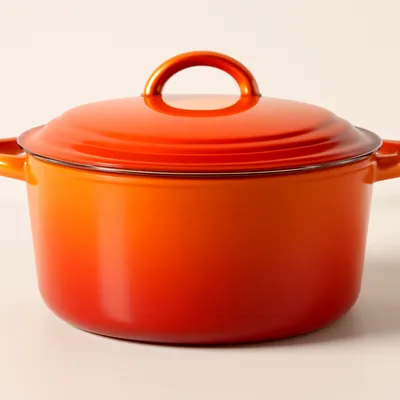
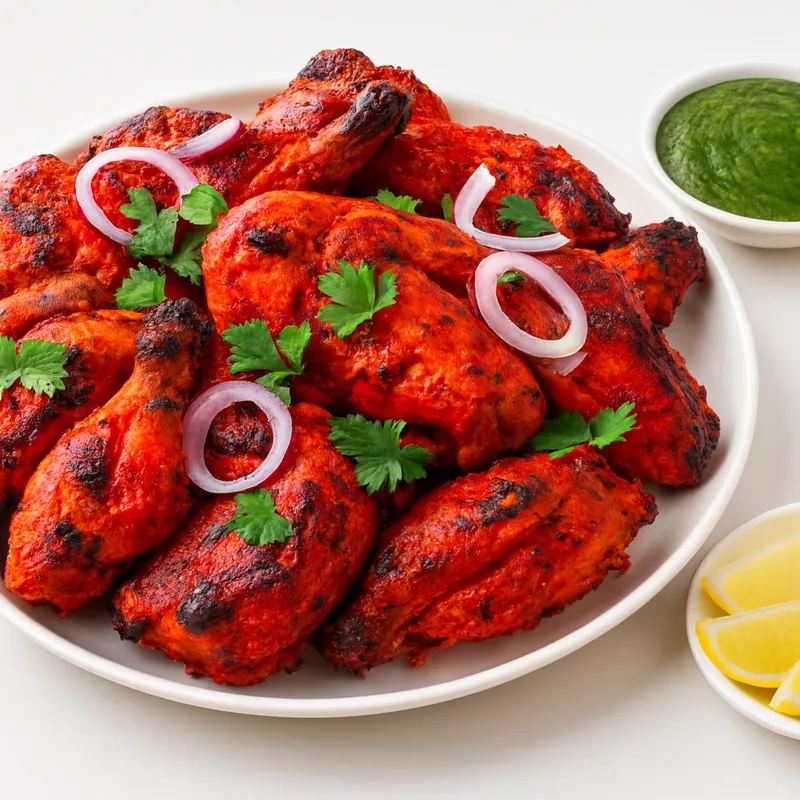
Thin escalopes of leg of lamb beaten flat with a mallet, marinated in spiced yogurt, then slowly braised in a velvety sauce enriched with ground almonds and cream—a defining Mughlai preparation whose Persian name, meaning favourite, speaks to centuries of royal patronage.
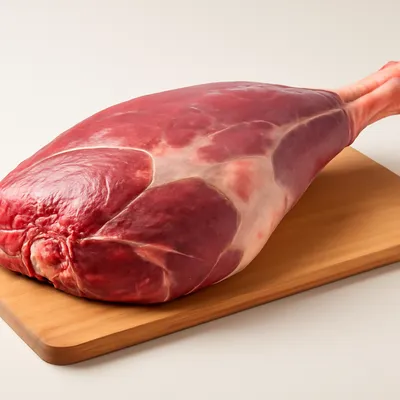


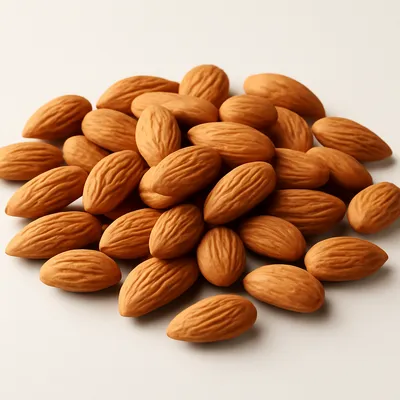


Pasanda is documented in the Mughal court from at least the 16th century, when sliced thigh meat — beaten flat, marinated in yogurt and spices, then braised in an enriched sauce — was recorded as a preferred preparation of royalty. Its name derives from the Persian pasandideh (liked) and Urdu pasande (favourite cut), both reflecting the dish's association with prime meat and imperial taste. A similar method of sliced, marinated, and sauce-braised meat appears in the 12th-century Sanskrit compendium Manasollasa, indicating deep pre-Mughal precedent. The Kayastha community — administrators to the Mughal court — preserved the dish across generations of court culture, and it later entered British Indian restaurant menus as a mild cream-enriched curry, diverging from its richer Mughal original.
Silky-tender lamb in a warm, faintly sweet sauce—the almond paste rounds out the yogurt's tang, cream softens the spice, and each escalope yields at the slightest pressure of a fork.
Physical pounding with a mallet severs long muscle fibres and disrupts connective tissue, shortening the braising time needed for collagen-to-gelatin conversion. Yogurt's lactic acid gently denatures the outermost proteins over the marinade period without toughening the meat surface, and carries aromatics deep into the loosened fibre matrix. Ground almond paste stirred into the braising liquid provides emulsified plant proteins and fats that thicken the sauce without a flour roux; the almonds' natural emulsifiers keep fat droplets evenly distributed throughout the gravy. Cream added off-heat contributes milkfat to produce the sauce's characteristic satin texture. Braising at a sustained simmer of 85–90 °C completes the hydrolysis of remaining collagen, yielding a silky, falling-apart tenderness.
Variations
Beef pasanda substitutes boneless beef escalopes for lamb, common in Pakistan; chicken pasanda uses boneless chicken thigh slices with a shorter braise; paneer pasanda replaces meat with thick-cut paneer marinated and braised in the same sauce; Kashmiri pasanda adds fennel seed and Kashmiri chili for a redder, more fragrant sauce.
On the Palate
Where Pasanda sits in the Indian flavor cloud
Ingredients
Serves 4



How it's made
7 steps · 30 min
- 115 min
Slice leg of lamb across the grain into 5 mm escalopes; place between two sheets of cling film and pound with a mallet until 2–3 mm thin.
Watch outPound the escalopes to two or three millimeters thin — breaking the fibers is what lets a tough cut go tender in a short braise.
- 2240 min
Marinate the escalopes in whole-milk yogurt, ginger-garlic paste, red chili powder, and salt for at least 4 hours, turning once.
- 320 min
Soak blanched almonds in warm whole milk for 20 minutes; drain and blend to a smooth paste.
- 420 min
Fry sliced onions in ghee over medium heat, stirring often, until deep golden, about 18–20 minutes; add cardamom, cinnamon, and cloves and cook 1 minute until fragrant.
Watch outFry the onions patiently to deep gold, near twenty minutes — that slow browning is the sweet, dark backbone of the gravy.
- 54 min
Add the marinated lamb with its marinade to the pot; sear over high heat for 3–4 minutes, turning the escalopes to seal both sides.
- 640 min
Stir in the almond-milk paste; reduce heat to low, cover, and braise for 35–40 minutes, adding small splashes of water as needed to maintain a saucy consistency.
- 73 min
Remove from heat; stir in fresh cream, adjust seasoning, and serve garnished with toasted almond slivers.
Watch outStir the cream in off the heat — let it boil after and the sauce can split into a grainy, curdled mess.
Archive tool suggestions — not reviewed
These legacy suggestions have not been evidence-reviewed and are not presented as required tools.