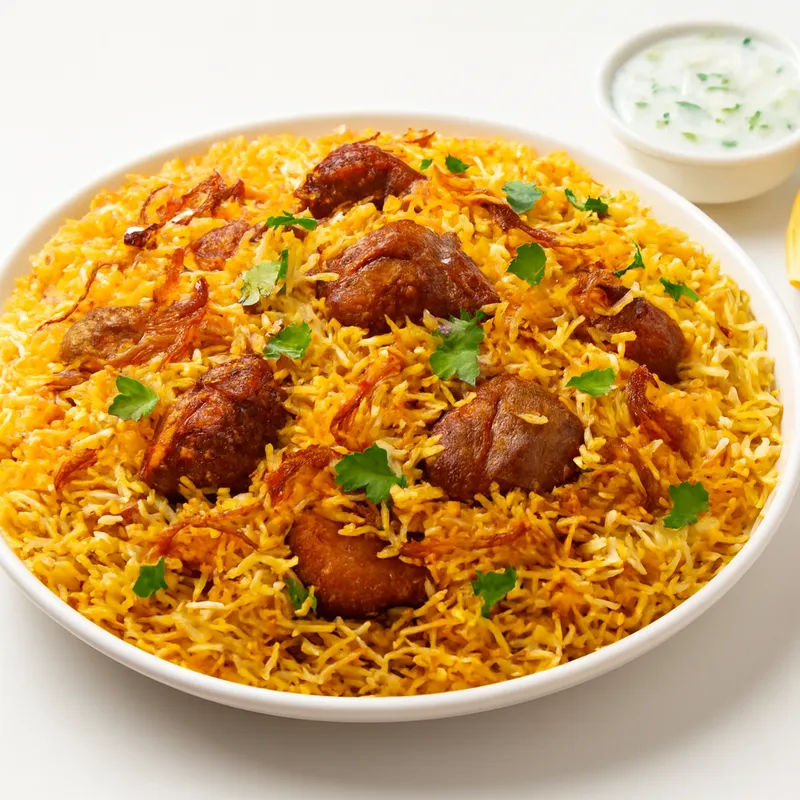
A rich, slow-cooked Lucknowi mutton-shank curry of the Nawabi Awadhi kitchen, in which bone-in marrow shanks (nalli) are simmered in a browned-onion, yogurt, and ghee gravy until the marrow melts into the sauce, giving it a glossy, luxurious body. The marrow is the point — it is the dish's thickener and its richness.
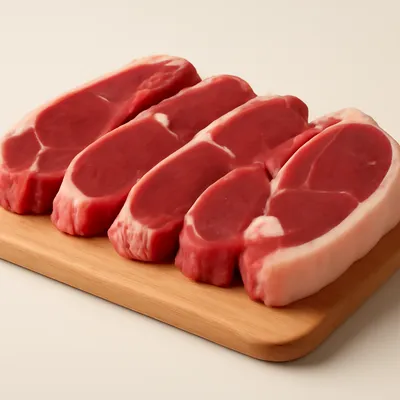


Nalli gosht is a slow-cooked mutton preparation of the Awadhi kitchen of Lucknow, rooted in the Nawabi tradition of refined meat cookery that the bawarchis (cooks) of the Nawabs of Awadh perfected from the Mughal imperial inheritance. Its name states its defining ingredient: nalli is the marrow bone (here, the shank bone), and gosht is meat; the marrow within the shank bone is what makes the dish distinct, melting out over the long cook to enrich and thicken the gravy from within. The dish belongs to the same Awadhi family as nihari (the slow-cooked breakfast stew that also uses bone marrow) and the broader Lucknowi shank-and-bone preparations, but it is a thicker, gravy-style curry rather than the broth-like nihari. Its method follows the Awadhi template — browned onions (birista), yogurt, whole garam masala, and the dum (sealed, slow) cook — and the long, gentle heat is what releases the marrow and gelatinizes the shank's collagen. It is a celebratory main, eaten with khameeri roti or sheermal.
Tender, fall-from-the-bone shank in a glossy, marrow-rich, deep-brown gravy — savory and silkily thick, with the warm hum of clove and cardamom.
The dish's character comes from two slow extractions. First, the marrow inside the shank bone — mostly fat with some protein and minerals — melts out over the long cook at around 70–80°C, emulsifying into the gravy to give it the characteristic glossy, slightly sticky, silkily thick body that no added starch could replicate; this is why the shank is left bone-in and the cook is long. Second, the shank's abundant connective-tissue collagen gelatinizes over the same cook, dissolving into gelatin that further thickens the gravy and tenderizes the meat to a fall-from-the-bone softness. The browned-onion (birista) base contributes Maillard-browning products for color and roasted depth, ground into the gravy rather than left whole; the yogurt, whisked and added gradually, contributes lactic acid that brightens the heavy base, and its emulsified fat carries the whole-spice aromatics. The dish improves on standing, as the marrow and gelatin continue to meld.
Variations
Nalli nihari is the broth-form cousin; a bhuna nalli finishes drier and more roasted, and the dish is sometimes enriched with cashew paste for festive forms.
On the Palate
Where Nalli Gosht sits in the Indian flavor cloud
Ingredients
Serves 5

How it's made
6 steps · 20 min
- 14 min
Soak bone-in mutton shanks in water, then drain.
- 26 min
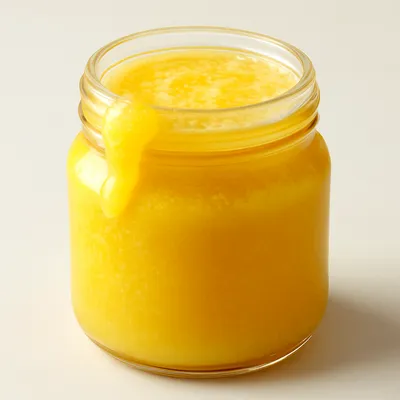
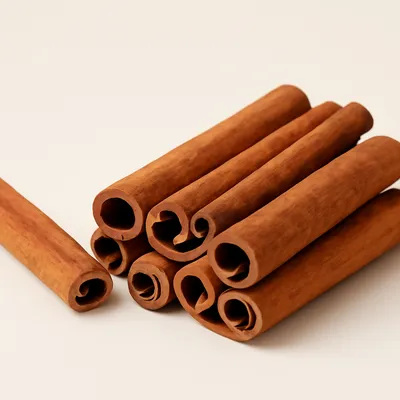
Heat ghee, temper whole spices (cinnamon, clove, cardamom, bay leaf), and add browned (birista) onion.
- 38 min
Add ginger-garlic paste and the shanks; bhuno until the pieces are sealed.
- 46 min
Whisk yogurt smooth with turmeric, red chili, coriander, and salt; add gradually, stirring.
Watch outWhisk the yogurt smooth and add it gradually, stirring — dumped in at once it splits into grainy curds in the hot pan.
- 555 min
Add water, cover, and simmer on very low heat until the shanks are tender and the marrow has melted into the gravy.
Watch outSimmer very low and long until the marrow melts into the gravy — that's what gives the silky, sticky body; rushing it leaves it thin.
- 610 min
Cook until the gravy is thick and glossy and the oil separates; finish with garam masala and serve with khameeri roti.
Archive tool suggestions — not reviewed
These legacy suggestions have not been evidence-reviewed and are not presented as required tools.