The festive rice-and-meat pulao of the Parsi community, served at weddings, Navroz, and family celebrations: fragrant basmati is cooked with marinated mutton or chicken, caramelized onions, whole spices, nuts, and raisins to a sweet-savory, aromatic heap. The Persian pilaf tradition, carried by the community from its homeland, is its root.

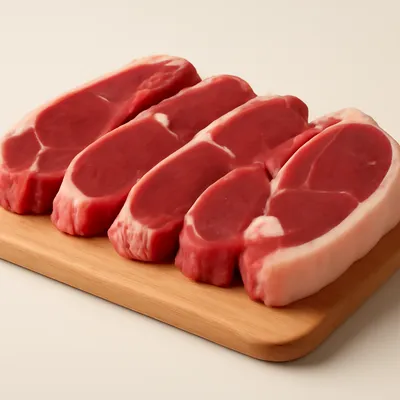


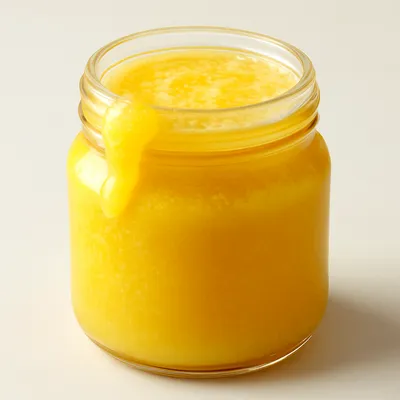
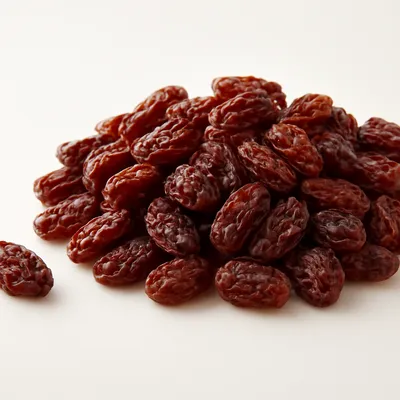
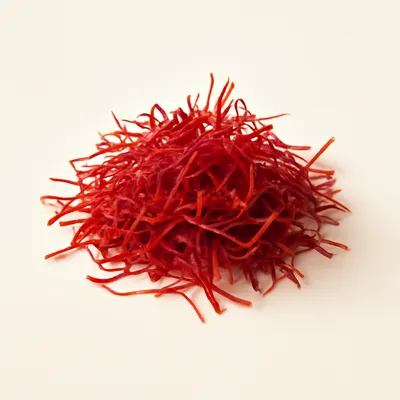
Pulao dar (pulav dar, pulao) is the festive rice-and-meat preparation of Parsi cuisine, served at weddings, Navroz (the Parsi new year), and family celebrations. Its name is plain Parsi Gujarati: pulao is the rice-and-meat preparation, dar refers to the dal with which it is sometimes paired. The dish descends from the Persian pilaf tradition that the Zoroastrian community carried from its homeland when it migrated to the Gujarat coast between the 8th and 10th centuries CE; in India, that Persian root absorbed Gujarati, Mughal, and the community's own sweet-savory preferences. The method is the classic festive pulao: the meat is marinated in yogurt, ginger-garlic, and a ground spice blend, then braised with caramelized (birista) onions and whole spices; the basmati rice is parboiled separately and either layered with the meat or cooked together in its stock, then finished (dum-style, sealed) with saffron, more fried onions, nuts, and raisins. The sweet notes — caramelized onion, dried fruits, sometimes a little jaggery — against the savory meat and spiced rice are the Parsi signature within the wider Indian pulao family.
Fragrant, fluffy, sweet-savory rice around tender, deeply spiced mutton, flecked with caramelized onion, toasted nuts, and plump raisins.
The pulao's texture rests on the rice being cooked to separate, fluffy grains rather than a sticky mass. Basmati's long-grain starch gelatinizes in measured liquid, and the parboil-then-dum method removes surface starch (which would otherwise clump) and finishes the rice in trapped steam, so each grain stays distinct; frying the rice briefly in ghee before the liquid is added coats each grain with fat that slows water penetration, keeping the texture fluffy. The meat's connective-tissue collagen gelatinizes in the braise at around 70–80°C, tenderizing it and enriching the stock in which the rice cooks; the caramelized onions supply Maillard-browning products for depth and a natural sweetness, and the dried fruits and nuts contribute their own sugars, fats, and textures. The dum finish — sealed pot, very low heat — lets the saffron's crocin disperse for color and the aromatics meld without volatilizing away.
Variations
A brown-rice (caramelized-onion-stained) form is a festive variant; a berry pulao uses barberries for tartness, and chicken is a lighter everyday substitute for mutton.
On the Palate
Where Pulao Dar sits in the Indian flavor cloud
Ingredients
Serves 6
How it's made
6 steps · 30 min
- 18 min
Marinate mutton pieces in yogurt, ginger-garlic paste, and ground spices for 1–2 hours.
- 210 min
Fry sliced onions in ghee until deep golden (birista); set aside half for the finish.
Watch outFry the onions to a genuine deep gold for the birista — that browning is the pulao's aroma and color; stop at pale and it tastes flat.
- 320 min
Braise the marinated mutton with the remaining onions, whole spices, and a little water until nearly tender.
- 48 min
Parboil basmati rice separately with salt and whole spices, then drain.
Watch outParboil the basmati only until half-cooked before layering — cook it through now and the final dum turns the grains to mush.
- 56 min
Layer the parboiled rice over the meat, top with fried onions, nuts, raisins, and saffron-soaked milk.
- 615 min
Seal the pot and cook on very low heat (dum) until the rice is fluffy and the flavors meld; serve hot.
Watch outSeal the pot and hold the lowest possible dum heat — the trapped steam finishes the rice fluffy and melds the flavors; too high scorches the base.
Archive tool suggestions — not reviewed
These legacy suggestions have not been evidence-reviewed and are not presented as required tools.


