Bone-in lamb chops ("burra" means large bone-in piece in Urdu-Punjabi) marinated overnight in raw papaya paste, hung yogurt, and garam masala to tenderize through enzymatic action, then charred in a blazing tandoor. A Mughal-court dish, today most celebrated at Delhi's Karim's in Gali Kababian and Moti Mahal in Daryaganj, where it has been served since the 1950s.



Burra kebab traces to the Mughal-era kitchens of northern India, where large bone-in cuts of lamb were marinated and grilled in the tandoor. The word "burra" derives from an Urdu-Punjabi word meaning "large" or "big piece," referring to the generous bone-in cut of lamb. The dish is closely tied to the old-city eateries of Delhi's Chandni Chowk and the Jama Masjid quarter. Karim's in Gali Kababian, near Jama Masjid — founded in 1913 by a family that traces its lineage to Mughal-era court cooks — is among the most historically documented purveyors of the tradition in Delhi. At Moti Mahal in Daryaganj, burra kebab was served alongside dal makhani as a signature pairing from the mid-20th century.
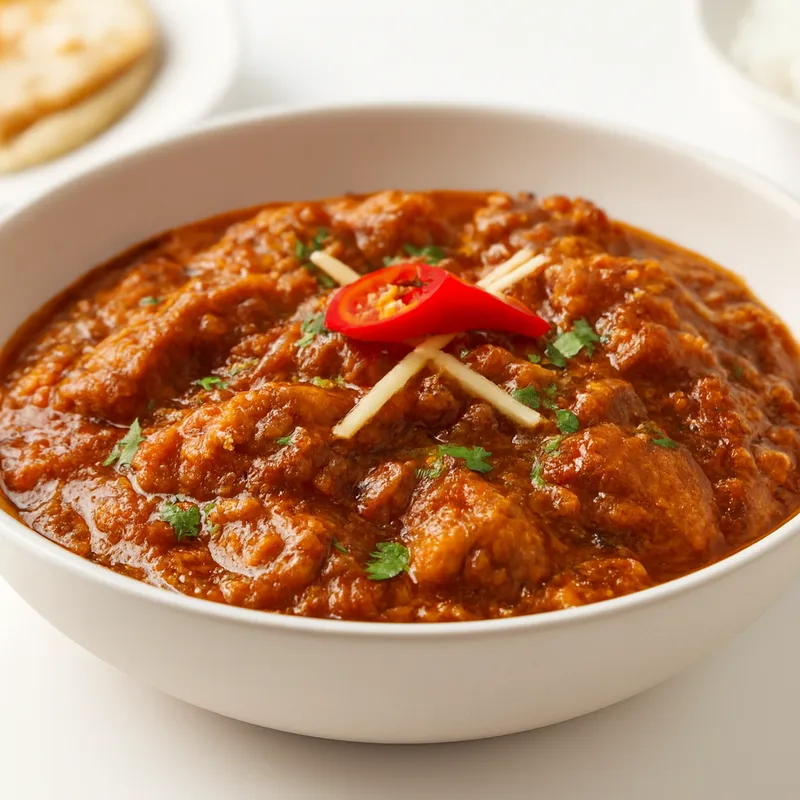
The exterior shatters with char — coal-black on the bone edge, deep reddish-brown on the flesh — yielding to meat that pulls cleanly from the bone, heavy with rendered lamb fat, salt and spice front and center, with a subtle yogurt tang underneath.
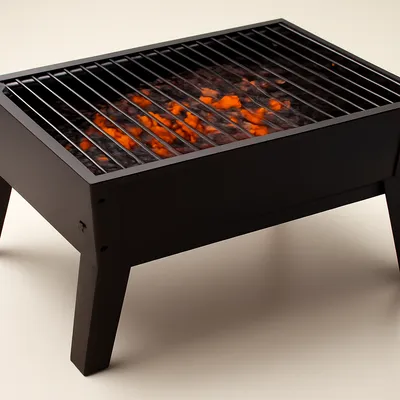
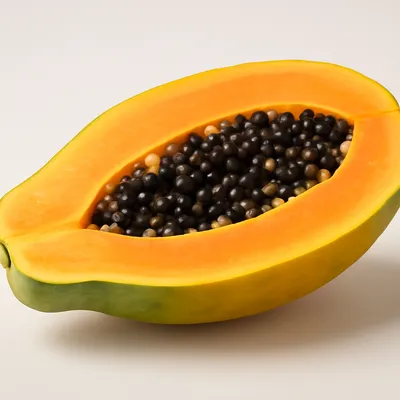
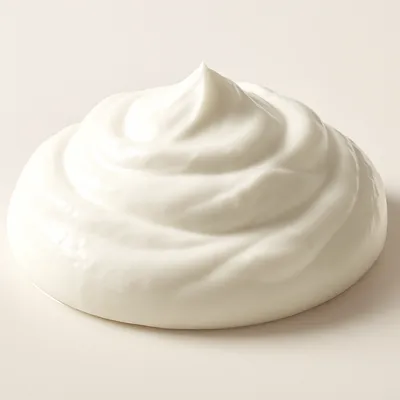
Raw papaya contains papain, a cysteine protease that hydrolyzes both myofibrillar proteins (actin, myosin) and collagen in connective tissue, breaking long protein chains into shorter peptides. Refrigerator-temperature marination at 4°C allows deep enzyme penetration over 6–24 hours without denaturing papain itself. Inside the tandoor at 300–400°C, collagen pre-cleaved by papain converts readily to gelatin, lubricating meat fibers from within rather than toughening them. Maillard browning on the lamb surface — especially at bone edges where fat renders at high heat — produces pyrazines and furans giving the characteristic char aroma. Hung yogurt (whey-strained) creates a thick, tight coating that carbonizes against the tandoor wall into a spice-charred crust, simultaneously sealing internal juices. Malt vinegar additionally lowers surface pH, causing surface protein denaturation before cooking that further tenderizes the outermost layer.
Variations
A whole lamb leg (raan) can be prepared with the same papaya marinade and slow-roasted in a conventional oven when a tandoor is unavailable. Chicken burra uses large bone-in chicken legs with an identical marinade. Some Lucknawi shops substitute kachri (dried wild melon) powder for papaya, producing a subtler tenderizing effect. Contemporary chefs sometimes finish with a dhungar charcoal-smoking step to replicate tandoor smokiness in home kitchens.
On the Palate
Where Burra Kebab sits in the Indian flavor cloud
Ingredients
Serves 4

How it's made
7 steps · 40 min active + 6 hours waiting
- 110 min
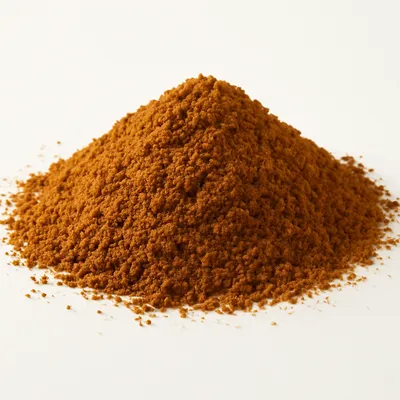
Make the marinade: blend raw papaya paste, hung yogurt, ginger-garlic paste, Kashmiri red chili powder, shahi garam masala, dried fenugreek leaves, malt vinegar, mustard oil, black salt, and table salt into a smooth paste.
- 25 min
Score lamb chops deeply along the bone and through the meat with a knife; make additional perforations throughout the thickest parts with a skewer to allow full marinade penetration.
Watch outScore deep along the bone and through the thick meat — those cuts are how the marinade and papaya tenderizer reach the center.
- 315 min
Coat chops thoroughly with marinade, pressing into all cuts; place a small piece of lit charcoal in a foil cup in the container, drizzle ghee over it, cover tightly for 10 minutes to infuse smoke, then refrigerate.
- 4360 min
Marinate in the refrigerator for a minimum of 6 hours and preferably 24 hours to allow full papain enzyme action and deep flavor absorption.
- 525 min
Remove chops from the refrigerator 30 minutes before cooking to bring to room temperature; skewer and load into a pre-heated tandoor at 300–400°C; roast for 18–22 minutes, turning once halfway through, until the surface is deeply charred.
Watch outRoast in the fierce tandoor until the surface is deeply charred — the high-heat char at the bone edges is the flavor; pull it pale and it's flat.
- 610 min
Remove from the tandoor and rest on a wire rack for 10 minutes, allowing juices to redistribute and residual heat to complete gelatin conversion.
Watch outRest ten minutes off the heat — the juices settle back in and the residual heat finishes tenderizing; slice straight away and it bleeds dry.
- 73 min
Serve on a hot platter with raw onion rings, lime wedges, and a mint-coriander yogurt chutney; finish with a sprinkle of chaat masala.
Archive tool suggestions — not reviewed
These legacy suggestions have not been evidence-reviewed and are not presented as required tools.