
Gongura Pachadi is the emblem chutney of Andhra Pradesh — a thick, intensely sour and fiery relish of roselle leaves (gongura) ground with garlic, red and green chili. The leaves are sauteed until they wilt and darken, then pounded or ground coarse with fried chilies and garlic and finished with a tempering of mustard, cumin and curry leaf. Its sourness comes entirely from the leaf, not tamarind or lime, giving a sharp, almost lemony tang under the chili heat. It keeps for days and is eaten in small fierce spoonfuls with rice, ghee and raw onion.
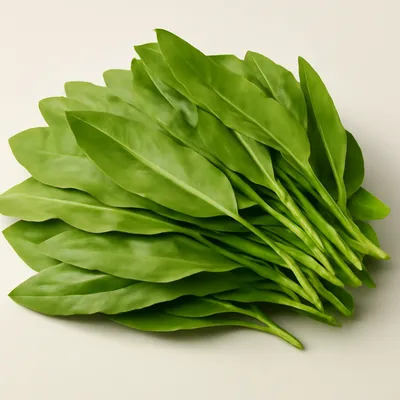



Gongura — the sour leaf of roselle (Hibiscus sabdariffa) — is a staple souring green of Andhra and Telangana, where it is so identified with the region that it is sometimes called the Andhra Matha (mother of Andhra). Gongura pachadi is the everyday chutney form, made in homes across the state and bottled as a popular travel and export pickle. It is folk home cooking with no recorded inventor; its prominence reflects both the abundance of roselle in the region and Andhra Pradesh's standing as India's leading red-chili producer, which gives the chutney its characteristic heat. Variants run from a quick fresh pachadi to a long-keeping oil pickle (gongura pickle).
A coarse, dark green-brown paste flecked with red chili skins and bits of garlic, glistening with oil from the tempering. The first taste is a slap of sourness — sharp and almost lemony, straight from the leaf — chased immediately by chili heat and the pungency of garlic. It is salty, sour and hot all at once, with the cooked-down leaf giving a faintly grassy, vegetal depth. Eaten in tiny amounts: a smear mixed into a mound of hot rice with ghee transforms the whole plate.
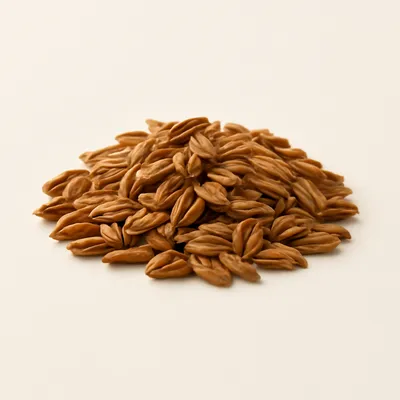
Roselle leaves are rich in organic acids — chiefly hibiscus and citric acid — so the chutney is soured by the leaf itself, with no tamarind or lime needed. Sauteing the leaves first breaks down their cell walls and drives off water, concentrating that acid and the colour into a dark pulp. Grinding or pounding the wilted leaves with fried chili and garlic releases their flavor and binds everything into a thick relish. The final tempering blooms mustard seeds, cumin and curry leaf in hot oil (around 170-180°C) to layer aroma on top, and the oil itself acts as a preservative, letting the pachadi keep for days without refrigeration.
Variations
The quick gongura pachadi is ground fresh and eaten within a few days; the gongura pickle (gongura nilava pachadi) uses more oil, salt and chili to keep for months. Some cooks add roasted urad and chana dal for body and a nutty edge, or fold in fried onions; a few finish with sesame or peanut. The same leaf carries Gongura Mutton, Gongura Royyalu (prawns) and Gongura Pappu (dal), where it sours a full dish rather than a chutney.
On the Palate
Where Gongura Pachadi sits in the Indian flavor cloud
Ingredients
Serves 6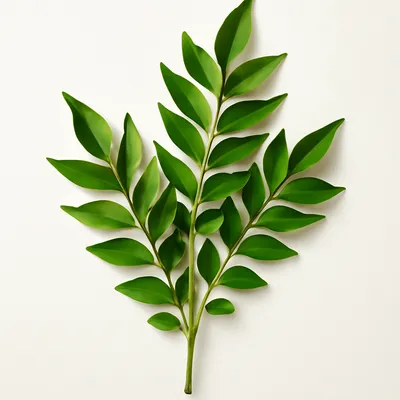

How it's made
6 steps · 15 min
- 15 min
Pick gongura (roselle) leaves off the stems, wash and drain well.
- 26 min
Heat a little oil and saute the leaves until they wilt completely, darken and the moisture evaporates.
Watch outSauté the leaves until fully wilted, darkened and the moisture is gone — this concentrates the leaf's own tart acid and its color.
- 33 min
In the same pan, fry dried red chilies, green chilies and garlic until aromatic.
- 44 min
Grind or pound the cooked leaves with the fried chilies, garlic and salt to a coarse, thick paste.
- 52 min
Prepare a tempering of mustard seeds, cumin, dried chili and curry leaves in hot oil.
Watch outBloom the mustard seeds, cumin and curry leaf in hot oil until they crackle — this fresh-fried aroma is layered on top of the sour paste.
- 61 min
Stir the tempering into the chutney and serve with hot rice and ghee.
Archive tool suggestions — not reviewed
These legacy suggestions have not been evidence-reviewed and are not presented as required tools.


