
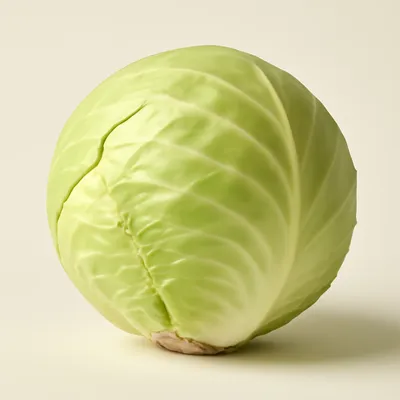
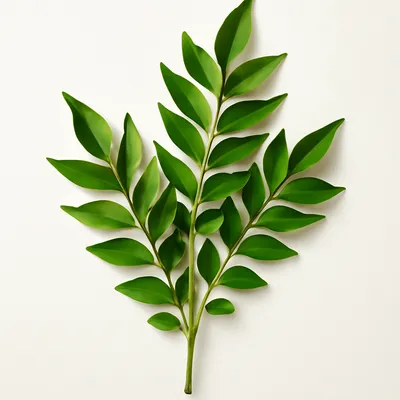
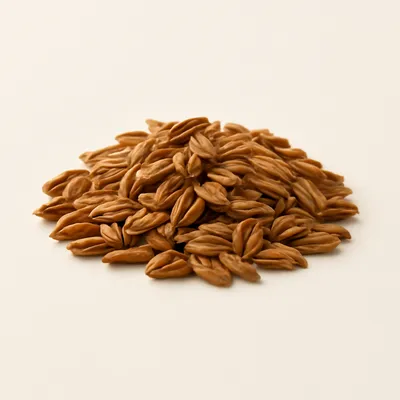
Thoran is the dry vegetable stir-fry of Kerala: a finely chopped vegetable such as cabbage, green beans or carrot tossed with grated fresh coconut that has been ground briefly with green chili, cumin and a little turmeric, then cooked dry over a mustard-and-curry-leaf tempering. Unlike the soupy coconut-milk dishes of the sadya, thoran is moist only from the vegetable's own water and the coconut clings to it in flecks. It is quick, homely and endlessly variable, appearing both on the festive banana leaf and as everyday lunch. The defining texture is dry and crumbly, never saucy.


Thoran is a foundational dish of the Kerala home kitchen and a fixed item on the sadya, the Malayali banana-leaf feast served at Onam and other celebrations. Coconut is grown the length of the Kerala coast, and pairing finely cut vegetables with freshly grated coconut and a coconut-oil tempering is one of the oldest and most characteristic patterns of Malayali cooking. No origin date is recorded; thoran is best understood as a generic technique rather than a single recipe, with each vegetable giving its own version.
Dry and loose, the chopped vegetable still holding a slight crunch and the grated coconut clinging in moist flecks rather than a sauce. Cabbage thoran is faintly sweet and tender; bean thoran keeps more snap. The coconut gives a sweet, fatty richness, the cumin a low earthiness, and the curry leaves and mustard seeds a popped, nutty top note. There is gentle warmth from green chili but it stays a side dish, eaten in small mounds against rice and the wetter curries.
Two things define a good thoran: the coconut is pulsed, not pureed, with the chili and cumin so it stays granular and coats the vegetable in flecks, and the dish is cooked uncovered toward the end so the vegetable's water evaporates and it finishes dry rather than stewed. The tempering comes first — mustard seeds popped in hot coconut oil with curry leaves and often a dried red chili — which both flavors the oil and perfumes the whole pan. Hardier vegetables like beans or carrot are given a head start, sometimes with a sprinkle of water and a lid, before the coconut mixture goes in; soft ones like cabbage cook fast and need no water at all. Salt is added late so the vegetable does not weep too early and turn soggy.
Variations
Almost any vegetable becomes a thoran: cabbage, green beans, carrot, unripe jackfruit, raw banana, snake gourd, or beetroot, each named for its vegetable (cabbage thoran, beans thoran). Some versions add a few small shallots or a clove of garlic to the coconut; the satvic temple and strict-sadya version omits both. A handful of cooked moong or red beans is sometimes folded in for body. The technique stays constant — the change is only the vegetable.
On the Palate
Where Thoran sits in the Indian flavor cloud
Ingredients
Serves 6


How it's made
5 steps · 25 min active + 5 min waiting
- 15 min
Pulse grated coconut with green chili, cumin and turmeric to a coarse, dry mix.
Watch outPulse the coconut to coarse and dry, not a purée — kept granular it coats the vegetable in flecks; ground to paste it goes gluey.
- 23 min
Heat coconut oil and pop mustard seeds with curry leaves and a dried red chili.
- 38 min
Add the finely chopped vegetable with salt and cook until just tender.
- 45 min
Fold in the coconut mixture and toss over heat until dry and fragrant.
- 52 min
Cook uncovered a minute more so no moisture remains, then serve.
Watch outFinish uncovered until no moisture remains — a good thoran is dry and fragrant, not stewed and wet.
Archive tool suggestions — not reviewed
These legacy suggestions have not been evidence-reviewed and are not presented as required tools.


