A traditional fermented finger-millet (ragi) drink of Odisha's tribal communities, made by cooking rice, stirring in finger-millet flour, and leaving the thin gruel to ferment overnight into a tangy, cooling, probiotic porridge drunk in summer. It is the staple hydration of the Kondh and Bhunjia homelands.

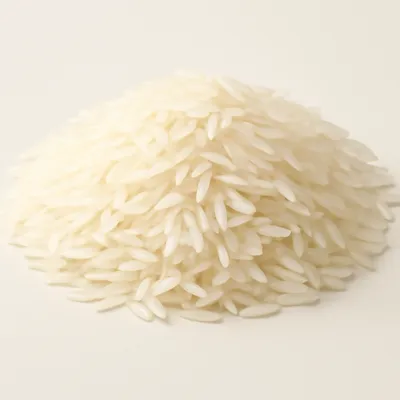

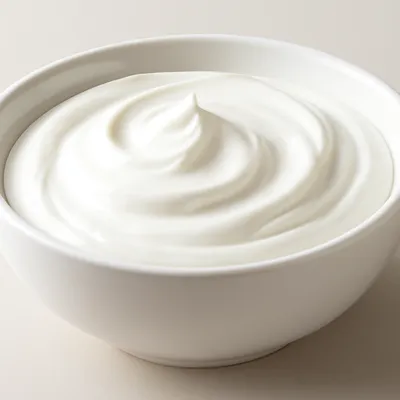
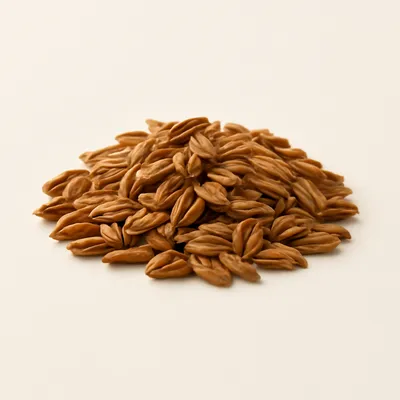

Mandia pej (mandia jau) is a fermented finger-millet drink rooted in the tribal communities of Odisha, particularly the Chuktia Bhunjia of the state's western hills and the Kondh. Mandia is the Odia word for finger millet (ragi, Eleusine coracana), a hardy, drought-tolerant grain that has long been the staple starch of Odisha's upland tribal belt where rice is scarce. The drink is essentially a thin, fermented gruel: rice is boiled until soft, finger-millet flour is stirred into the starchy cooking water, and the whole is left to ferment overnight, often with a little buttermilk or curd as a starter. The fermentation is spontaneous, driven by wild yeasts and lactic-acid bacteria that turn the thin starch into a tangy, slightly effervescent, probiotic drink. It is consumed across the tribal belts of Odisha as a cooling, sustaining summer drink — filling enough to substitute for a meal and cheap enough to be everyday, and it has gained wider attention recently as part of the renewed interest in millets.
Thin, cool, lightly tangy, and slightly effervescent, with the earthy, nutty flavor of finger millet beneath the lactic sourness.
The drink is the product of a spontaneous lactic fermentation. Wild yeasts and lactic-acid bacteria present on the millet flour and in the air consume the rice gruel's starches and sugars, producing lactic acid (which lowers the pH, giving the tang and inhibiting spoilage bacteria), carbon dioxide (which gives the faint effervescence), and a small amount of ethanol. The fermentation is what makes the drink both safer and more nutritious than the raw gruel: the acid prevents the growth of pathogens in a warm climate without refrigeration, and the microbes partially break down the millet's starches and phytates, making its calcium and iron more bioavailable. Finger millet itself is unusually rich in calcium among grains, and the fermented drink carries that benefit in an easily absorbed form, which is part of why it has sustained tribal communities for so long.
Variations
Ragi koozh is the Tamil cousin; some Odia versions add cumin and black salt, and a thicker form is eaten as a porridge rather than drunk.
On the Palate
Where Mandia Pej sits in the Indian flavor cloud
Ingredients
Serves 3How it's made
6 steps · 10 min
- 18 min
Boil rice in plenty of water until very soft and the water turns starchy.
- 23 min
Whisk finger-millet flour into a little cool water to form a slurry, then stir it into the hot rice and cooking water.
- 34 min
Cook for a few minutes more until the mixture thickens slightly, then cool to room temperature.
- 42 min
Stir in a spoon of curd or buttermilk as a starter, if using.
- 58 min
Cover and leave to ferment overnight in a warm place.
Watch outFerment overnight in a warm spot until it smells pleasantly tangy — the lactic acid is what makes the drink both safe and gently sour; a warm room speeds it, a cold one stalls it.
- 62 min
The next morning, thin with a little water if needed, season with cumin powder and black salt, and serve cool.
Archive tool suggestions — not reviewed
These legacy suggestions have not been evidence-reviewed and are not presented as required tools.


