
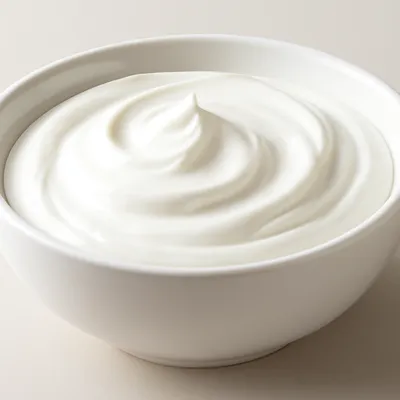
The defining summer staple of Odisha in eastern India: cooked rice steeped in water and served cool. In the fresh same-day version (saja or garam pakhala) the rice is simply cooled and covered with water; in the prized overnight version (basi pakhala) it is left to ferment 8–12 hours, turning faintly sour. It is eaten with curd (dahi) stirred in, a sizzling tadka of mustard seeds, curry leaves and dried red chili poured over, and an array of sides — badi chura (crumbled sun-dried lentil dumplings), aloo bharta (mashed potato), fried fish, papad, sautéed greens (saga), and lime with green chili. Soothing and electrolyte-rich, it is built to cool the body through Odisha's hot, humid summer.




Pakhala is the everyday hot-weather food of Odisha, born of a practical habit in a rice-growing, sweltering delta: leftover cooked rice was covered with water in an earthen pot to keep it from spoiling overnight, and the result — cool, lightly soured, hydrating — proved ideal for the climate. Two forms are distinguished: saja (or garam) pakhala, freshly made the same day and unfermented, and basi pakhala, the most prized, left to ferment overnight. Since 20 March 2011 the day has been observed by Odias worldwide as Pakhala Dibasa (Pakhala Day), the date chosen to mark the onset of summer in the northern hemisphere — the season when its cooling qualities matter most.
Cool, slightly sour fermented rice in a tangy, faintly cloudy water — soft, swollen grains you can mash between the fingers, deeply soothing in the heat. A pungent tadka of mustard seeds, curry leaves and dried red chili floats on top, releasing its aroma the moment hot oil hits the chili. It is eaten with the fingers from a wide bowl, the rice often mashed together with curd and a side of aloo bharta, then chased with raw lime and a bite of green chili.
Leftover cooked rice is submerged in water and held 8–12 hours, usually overnight, at room temperature. Wild Lactobacillus (with related lactic-acid bacteria) feed on the rice starch and produce lactic acid — the sour tang — driving the pH down to roughly 4.0–4.5; the same fermentation builds B-vitamins and degrades phytate, the antinutrient in rice, freeing up iron, potassium and calcium so the meal rehydrates and cools more effectively in summer heat. A tadka of mustard seeds, curry leaves and dried red chili bloomed in hot oil at about 170–180°C is poured over to release fat-soluble aromatics, and curd is stirred in for extra tang and a dose of live cultures.
Variations
The core split is basi pakhala (fermented overnight, the most prized) versus saja or garam pakhala (fresh, unfermented, made the same day). Dahi pakhala stirs in curd for a creamy tang; jeera pakhala is tempered with roasted cumin. The dish belongs to a family of fermented water-rice cousins across India, of which pakhala is the Odia form: Bengal has panta bhat, Assam has poita bhat (poita), and Tamil Nadu and the wider south have pazhaya sadam, drunk as neeragaram.
On the Palate
Where Pakhala Bhata sits in the Indian flavor cloud
Cool the rice fully before you flood it and let it sour overnight at room temperature — the gentle lactic ferment is the whole point, and it must go in cool, never warm.
Ingredients
Serves 4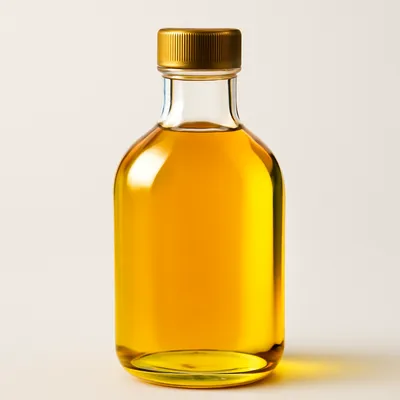


How it's made
6 steps · 15 min
- 120 min
Cook short-grain rice until soft, then drain off any excess starchy water and spread the rice out to cool to room temperature.
- 25 min
Transfer the cooled rice to an earthen pot or a deep bowl and pour in enough clean water to fully submerge it; add a pinch of salt.
- 3600 min
For basi (fermented) pakhala, cover and leave at room temperature overnight, 8–12 hours, until the rice turns faintly sour and the water clouds; for saja (fresh) pakhala, skip this and serve right away.
Watch outAfter the overnight soak the rice smells faintly sour and the water turns cloudy — that haze and gentle tang mean the ferment has taken; a foul or boozy smell means it has gone too far.
- 45 min
Stir whisked curd (yogurt) into the rice and water to taste, mashing some grains lightly so the liquid turns soft and tangy.
- 55 min
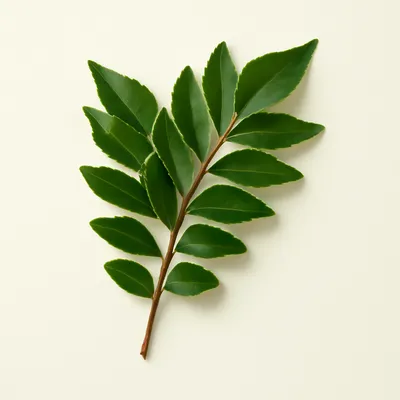
Make the tadka: heat mustard oil or oil to about 170–180°C, crackle the mustard seeds, then add curry leaves and a broken dried red chili and fry a few seconds until fragrant.
Watch outThe mustard seeds should pop and dance when the oil is hot enough; add the curry leaves only then, and pull the pan the instant they crisp and smell nutty.
- 63 min
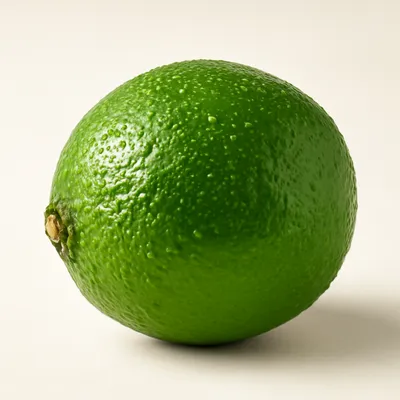
Pour the sizzling tadka over the pakhala and serve cool, with lime and green chili alongside sides such as badi chura, mashed potato, fried fish, papad and sautéed greens.
Archive tool suggestions — not reviewed
These legacy suggestions have not been evidence-reviewed and are not presented as required tools.


