
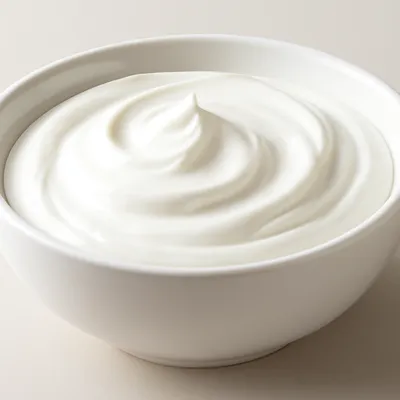
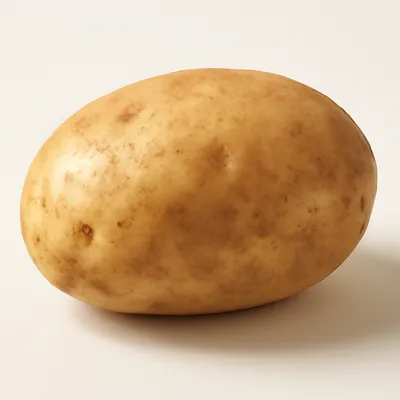
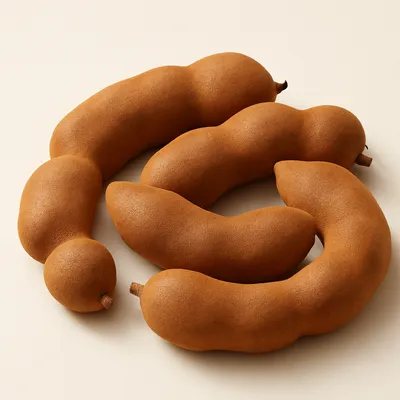
Dahi puri is a Mumbai chaat made from the same puffed, hollow puris as pani puri, but topped rather than filled with spiced water. Each shell is cracked open at the top, stuffed with diced boiled potato and sometimes chickpeas or sprouted moong, then crowned with a spoon of whisked, lightly sweetened yogurt (dahi), a sweet-sour tamarind chutney, a sharp green chutney, a dusting of chaat masala, and a final shower of fine sev. It is served cold, several pieces to a plate, each eaten whole in one bite. It is the cool, yogurt-topped cousin of pani puri and a close variant of sev puri.


Dahi puri belongs to Mumbai's 20th-century street-chaat tradition and is generally described as a variant of sev puri in which whisked yogurt becomes the defining topping. It is closely tied to the chaat vendors of the city's seafront and markets — Chowpatty Beach among the best known — where the puffed-shell snacks of the Mumbai sea-face took shape through the mid-20th century. Like the rest of the chaat family, its name comes from the Hindi-Urdu chaatna, 'to lick'; dahi simply means yogurt and puri the crisp hollow shell. The deep-fried puffed shell it shares with pani puri is a wheat-and-semolina crisp that puffs hollow in hot oil.
A whole shell goes in at once and bursts: the thin crisp puri gives way to a cool, soft center of potato and creamy yogurt. The first taste is the mild tang of yogurt, then the sweet-sour tamarind and the green chili's heat behind it, with chaat masala adding a salty, sulfurous lift and the sev a final savory crunch. It is cold, soft and crisp at the same time, and meant to be eaten the instant it is dressed — the yogurt softens the shell within minutes, so a sturdy fresh puri is essential.
Dahi puri is assembled to order, and the contrast of crisp shell against cold wet toppings is the whole point — which is why it is dressed and served in the same minute. The hollow puris are deep-fried in advance: a stiff wheat-and-semolina dough, rolled thin, hits oil at around 180°C and the surface sets fast while trapped steam inflates it into a rigid, dry sphere that stays crisp until wetted. The yogurt is whisked smooth with a little sugar and salt to a pourable cream, balancing the chutneys' acid and heat. As with all chaat, chaat masala — built on black salt (kala namak) — supplies a tangy, mildly sulfurous seasoning that distinguishes it from ordinary salt.
Variations
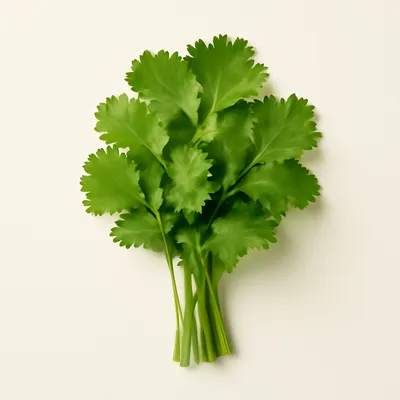
Dahi puri shades into several neighbors: sev puri uses flat papdi wafers instead of hollow shells; dahi batata puri foregrounds the potato (batata); dahi sev batata puri stacks yogurt, sev and potato together. Adding chickpeas or sprouted moong makes a heartier plate, and many vendors finish with pomegranate seeds and chopped coriander. Papdi chaat is the same idea on flat wafers with yogurt and chickpeas, while pani puri uses the identical shells but fills them with cold spiced tamarind-mint water instead of yogurt.
On the Palate
Where Dahi Puri sits in the Indian flavor cloud
Ingredients
Serves 4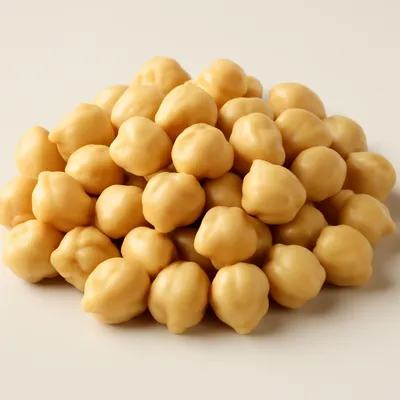


How it's made
7 steps · 25 min
- 115 min
Boil and peel the potatoes, dice them small, and if using, boil chickpeas or sprouted moong; keep cold.
- 24 min
Whisk the yogurt with a little sugar and salt until smooth and pourable, and chill.
- 312 min
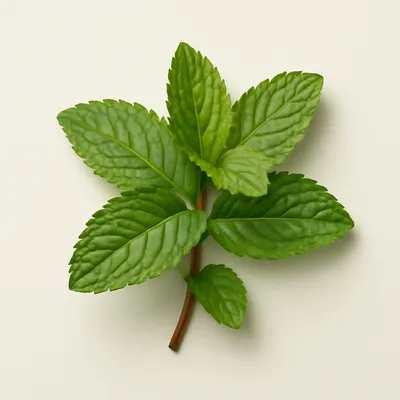
Make a thick sweet-sour tamarind chutney and a sharp green coriander-mint chutney.
- 43 min
Gently tap a hole in the top of each hollow puri without shattering the shell.
Watch outTap just a small hole in each puri without shattering the shell — a cracked shell can't hold the fillings and goes soggy instantly.
- 54 min
Fill each shell with diced potato and a few chickpeas or sprouts.
- 64 min
Spoon over the whisked yogurt, then drizzle the tamarind and green chutneys and dust with chaat masala.
Watch outWhisk the yogurt smooth and pourable so it coats — too thick and it clumps instead of flowing over the fillings.
- 72 min
Shower with fine sev, scatter coriander and pomegranate, and serve immediately.
Watch outDress and serve in the same minute — the crisp shells go soft the moment the wet toppings sit on them.


