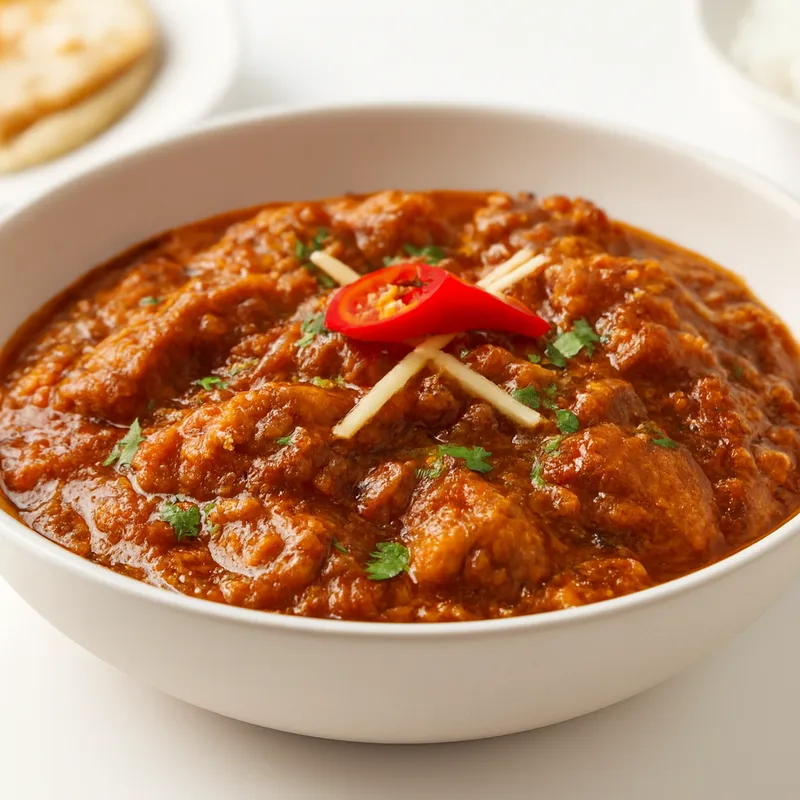
Motichoor Ladoo is a North Indian festival sweet made of minuscule fried gram-flour pearls bound together with sugar syrup into round laddus. A thin gram-flour batter is poured through a perforated ladle into hot ghee so it breaks into tiny droplets — boondi — that fry into pearl-sized balls; these are soaked in cardamom-and-saffron sugar syrup, often crushed slightly, then pressed warm into smooth spheres, usually studded with chopped nuts and a few melon seeds. The name means "crushed pearls," from the fineness of the boondi. Soft, syrup-soaked and bright orange or yellow, it is a staple at Diwali, Raksha Bandhan and weddings, and a common temple offering (prasad).




Motichoor Ladoo belongs to the very old Indian laddu tradition. The Sanskrit medical text Sushruta Samhita, dated to around the 3rd–4th century, describes ladduka — small balls of ingredients such as jaggery, sesame and ground nuts bound with honey — used as a vehicle for medicine, and the word laddu itself derives from the Sanskrit laddukam, a small ball. The earliest documented mention of laddu as a sweet rather than a medicament is generally placed in the 11th-century western Indian text Lokopakara, attributed to Chavundaraya (around 1025), which records balls made from a fried flour-and-syrup preparation. The specific boondi-based form is popularly associated with the regions of Rajasthan and Uttar Pradesh; "motichoor" itself means crushed pearls, distinguishing its very fine boondi from the larger droplets of the related boondi ladoo.
A good motichoor ladoo is soft and yields the moment you bite, the tiny syrup-soaked pearls melting together rather than crumbling apart; you can just make out their fine grain on the tongue. It is sweet and rich, scented with cardamom and saffron, carrying the cooked-chickpea note of fried gram flour under the sugar, with bits of chopped pistachio, almond or melon seed for crunch and a faint warmth from ghee. Served at room temperature, it should be moist and close-textured throughout — a dry, hard or sandy ladoo means the boondi was over-fried or the syrup wrongly cooked.
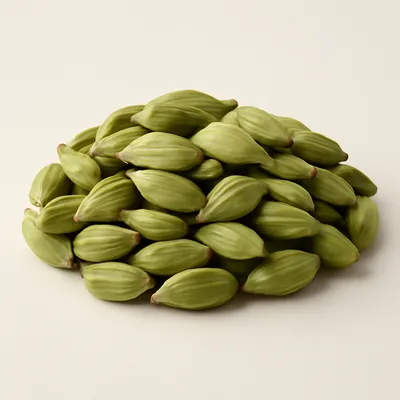
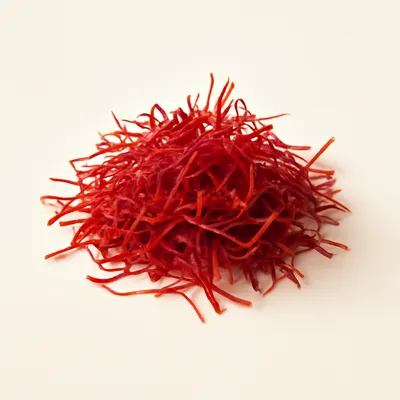
Three things must come together: the boondi, the syrup and the binding. A loose gram-flour batter is poured through a flat perforated ladle so surface tension breaks the stream into tiny droplets that fry in ghee or oil at a moderate heat (around 170°C); fried too hot they crisp and won't soak, too cool they flatten and absorb grease. The pearls are dropped straight into sugar syrup cooked to about one-string consistency (roughly 110–115°C): too thin and the ladoos won't hold their shape, too thick and they set hard and crystallize. The warm, syrup-saturated boondi is gently mashed so the pearls knit, then shaped while still warm — the dissolved sugar acts as the glue, and as it cools it sets just enough to hold a sphere that stays soft inside. A pinch of edible colour or saffron gives the characteristic orange-yellow.
Variations
The closest sibling is boondi ladoo, made the same way but with larger, distinct droplets, so it stays grainier and a touch crisper rather than melting smooth; motichoor uses the finest boondi for a softer set. Besan ladoo is a different sweet entirely — roasted gram flour bound with ghee and sugar, with no boondi. Motichoor itself varies by colour and richness: saffron or orange, plain or studded with cashew, pistachio, almond and melon seeds, sometimes scented with rosewater and finished with edible silver leaf (vark) for festivals and weddings. It is also commonly offered as temple prasad.
On the Palate
Where Motichoor Ladoo sits in the Indian flavor cloud
Ingredients
Serves 12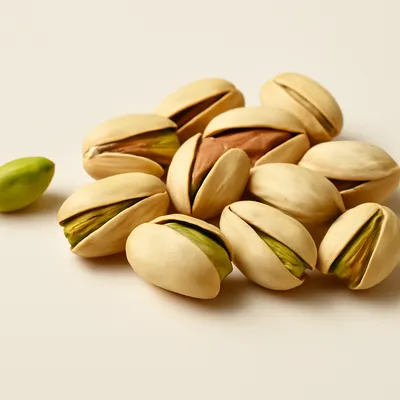

How it's made
6 steps · 25 min
- 18 min
Whisk gram flour with water (and a pinch of colour or saffron) into a smooth, thin, lump-free batter that just flows.
- 225 min
Heat ghee or oil to a moderate frying temperature, hold a flat perforated ladle over it and pour batter through so it drops as tiny pearls; fry these boondi briefly until just set but not crisp, then lift out and drain.
Watch outFry the boondi at a moderate heat just until set, not crisp — too hot and they crisp up and won't soak the syrup; too cool and they flatten and drink grease.
- 38 min
Boil sugar with water, cardamom and saffron to a thin one-string syrup, keeping it warm.
- 410 min
Stir the fried boondi into the warm syrup and let them soak until plump and saturated, then lightly mash a portion so the pearls bind.
Watch outSoak the boondi in warm one-string syrup until plump, then lightly mash a portion so the pearls bind — too thin a syrup and the ladoos won't hold their shape.
- 512 min
While the mixture is still warm, grease your palms and press small handfuls into smooth round balls, pressing a few chopped nuts and melon seeds onto each.
- 620 min
Set the laddus aside for about 20 minutes to firm up, then serve at room temperature or store in an airtight box.
Archive tool suggestions — not reviewed
These legacy suggestions have not been evidence-reviewed and are not presented as required tools.