
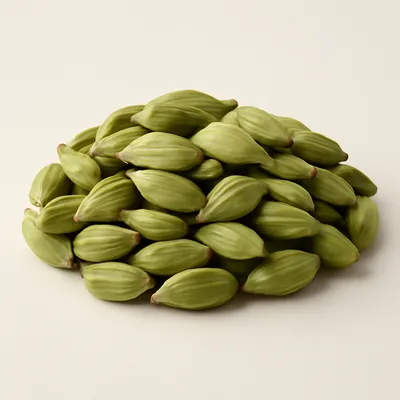
Khaja is a layered, deep-fried wheat pastry soaked in sugar syrup, built from many wafer-thin sheets of dough stacked, rolled and cut so it fries up into dozens of crisp, flaky leaves. The Bihar version from Silao, in Nalanda district, is the most famous — a dry, glassy, multi-layered sweet rather than a sticky one. The pastry shatters into golden flakes that are sweet from the syrup but never cloying, scented with cardamom. It is a celebratory and gifting sweet, sturdy enough to keep and carry, and a recognised regional speciality of Bihar.



Khaja from Silao is documented as a Bihari speciality with deep local roots; in December 2018 it received a Geographical Indication (GI) tag as 'Silao Khaja', recognising the town in Nalanda district as its protected home, with the quality of its many fine layers attributed to local water and climate. Older claims that tie khaja-like sweets to the ancient Magadh empire or to legends of King Vikramaditya and the Buddha passing through circulate widely but belong to folklore; what is documented is that the British surveyor J. D. Beglar recorded the sweet and its legend at Silao in 1872–73. Layered fried sweets of this type are also made in Odisha (notably as offerings at the Jagannath temple in Puri) and elsewhere; the Silao line is the one carrying the GI.
Bone-dry and crisp, it shatters at the first bite into countless thin, brittle leaves that crackle and crumble. There is no sogginess — the syrup glazes the layers rather than soaking them limp — so it eats light and crunchy, releasing a clean sweetness and the perfume of cardamom (and sometimes a hint of fennel or rose). The flavour is of fried wheat and sugar, simple and rich, with the ghee carrying it. It leaves flaky shards everywhere and keeps its crunch for days, which is exactly why it travels as a gift sweet.
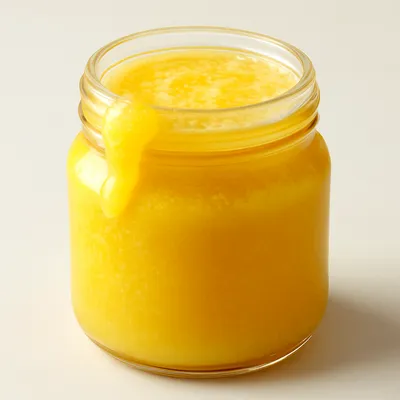
Khaja is laminated pastry by hand, without folding butter in the European way. Thin sheets of stiff wheat dough are smeared with a ghee-and-flour paste (sata), stacked several high, then rolled tight into a log and sliced; each slice, when rolled out and fried, opens into a fan of distinct layers because the greased interfaces keep the sheets from fusing. Frying is done in two stages over moderate heat — first to cook and set the layers without deep colour, then hotter to crisp and brown — so the pastry dries out fully and stays shatteringly crisp. It is then dipped in a one- or two-thread sugar syrup (cooked to roughly 110–115°C); a thin, correctly staged syrup glazes the surface and sets to a dry shell instead of soaking in, which is what keeps Silao khaja crisp rather than sticky.
Variations
Khaja ranges from the dry, crisp Silao/Bihar style to softer, more syrup-soaked versions elsewhere; Odisha's temple khaja and the Andhra/'Kakinada khaja' are differently textured cousins, the Kakinada one juicier with syrup. Shapes vary — flat rolled rounds, folded squares, or the tight spiral that best shows the layers. Flavourings are usually cardamom, sometimes fennel or a rose finish. Some are dusted or left plain rather than syrup-dipped. The lamination paste and the precise sugar-syrup stage are what separate a good, layered khaja from a hard, fused one.
On the Palate
Where Khaja sits in the Indian flavor cloud
Ingredients
Serves 6How it's made
7 steps · 50 min
- 135 min
Knead plain flour with a little ghee and water into a stiff, smooth dough; rest 30 minutes.
- 25 min
Make a lamination paste (sata) by mixing soft ghee with a little flour to a spreadable cream.
- 315 min
Roll the dough into several very thin sheets, brush each with the sata paste, and stack them.
- 415 min
Roll the stack tightly into a log, then cut into thick slices; gently roll or press each slice flat, keeping the cut layers visible.
- 518 min
Deep-fry in moderately hot ghee, first gently to set and open the layers, then hotter to crisp and lightly brown; drain well.
Watch outFry gently first until the layers spring open and separate into a fan, then turn the heat up to crisp and lightly colour — rush the heat early and the outside browns while the middle stays soft and doughy.
- 610 min
Cook sugar with water and cardamom to a one-to-two-thread syrup (about 110–115°C).
Watch outTest the syrup by pulling a cooled drop between finger and thumb — one to two fine threads means it's right; no thread and it soaks in limp, brittle threads and it seizes to sugar.
- 76 min
Dip the hot fried khaja briefly in the warm syrup so it glazes the surface, lift out and let it dry and set crisp.
Archive tool suggestions — not reviewed
These legacy suggestions have not been evidence-reviewed and are not presented as required tools.


