
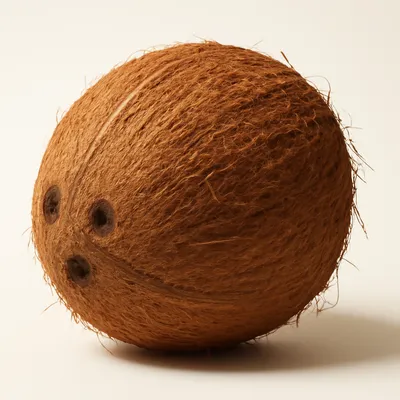
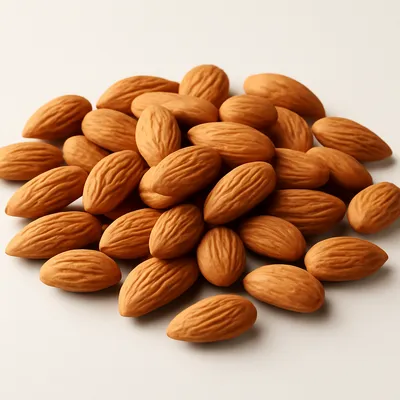
Gujiya is the crescent-shaped fried pastry of North India, made by sealing a rich semolina-and-khoya filling — sweetened reduced milk solids with coconut, chopped nuts and cardamom — inside a stiff flour-and-ghee dough, then crimping the rim into a rope-like edge and deep-frying until pale gold and crisp. Some are finished plain, others dipped in sugar syrup for a glaze. Flaky and shatteringly crisp outside, dense and fragrant within, gujiya is above all the sweet of Holi, made in big batches and shared across Uttar Pradesh, Rajasthan and the Hindi belt.



Gujiya is a long-established North Indian festival sweet, most strongly tied to Holi but also made for Diwali and Teej, and is documented across Uttar Pradesh, Rajasthan, Madhya Pradesh and Bihar. It belongs to a wide family of crescent-shaped stuffed-and-fried sweet pastries found across the subcontinent and beyond — the Maharashtrian and Goan karanji, the Bihari pedakiya, and relatives reaching into Central Asia and the eastern Mediterranean. As traditional confectioner and household festive cooking it has no single recorded inventor; regional names and fillings differ, but the khoya-coconut-nut stuffing in a crimped fried shell is the North Indian standard.
A golden half-moon the size of a small samosa, its sealed edge braided into a neat rope, the shell blistered and matte. It breaks with a dry, flaky crunch, releasing a warm, fragrant filling: grainy roasted semolina and rich khoya bound with sweet coconut, chopped almonds and pistachios, and plenty of cardamom. The contrast of the brittle, lightly sweet crust against the dense, milky, nutty centre is the heart of it; syrup-dipped versions add a sticky, sweeter glaze. Eaten at room temperature, it keeps for days.
The dough is made stiff and short with plenty of ghee worked in (the fat blocks gluten so the shell fries crisp and flaky rather than hard) and only a little water, then rested. The filling is built dry: semolina and khoya are roasted in ghee to drive off moisture and develop flavour, so the stuffing will not steam or burst the pastry during frying. The crucial step is sealing — the edges are pressed and crimped tightly so no filling escapes and no oil seeps in. Frying is done slow in moderately hot ghee so the thick shell cooks through and crisps evenly without browning too fast; an optional dip in one-string syrup adds a glaze.
Variations
The Maharashtrian and Goan karanji is essentially the same pastry with a coconut-forward filling; the Bihari pedakiya often uses a semolina-and-coconut stuffing. Fillings vary from pure khoya to mixes heavy on dry coconut, semolina or chana dal, and gujiya can be left plain, sugar-glazed, or rolled in powdered sugar. Baked and air-fried versions exist as lighter alternatives, and some makers add dried fruit, chironji seeds or a saffron note. The crimped or moulded rope edge is the shared signature.
On the Palate
Where Gujiya sits in the Indian flavor cloud
Ingredients
Serves 8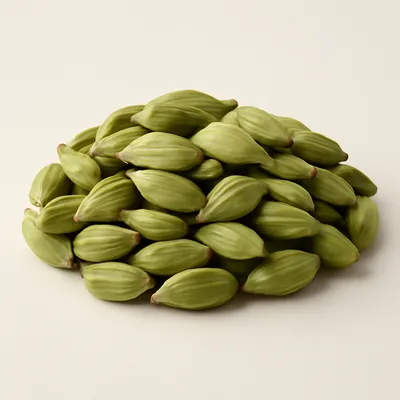

How it's made
6 steps · 50 min
- 140 min
Rub plenty of ghee into the flour until crumbly, add a little water and knead to a stiff dough; rest 30 minutes.
Watch outRub the ghee into the flour until crumbly before adding water — the fat blocks gluten so the shell fries crisp and flaky; work it into a smooth wet dough and it fries hard.
- 218 min
Roast semolina in ghee until golden, then mix with grated khoya, desiccated coconut, chopped nuts, sugar and cardamom to a dry filling.
- 312 min
Roll the dough thin and cut into small rounds.
- 420 min
Place filling on one half of each round, fold into a crescent and crimp the edge tightly into a rope.
Watch outPress and crimp the edge into a tight rope so no filling escapes — a loose seal bursts in the oil and lets grease seep into the pastry.
- 518 min
Deep-fry in moderately hot ghee, turning, until pale golden and crisp; drain.
Watch outDeep-fry in moderately hot ghee, turning, until pale golden and crisp — too hot and the thick shell browns before the inside cooks through.
- 68 min
Serve plain, or dip in one-string sugar syrup for a glaze and let set.
Archive tool suggestions — not reviewed
These legacy suggestions have not been evidence-reviewed and are not presented as required tools.


