A thin, vigorously spiced tomato-tamarind reduction — kut denoting a poured, reduced sauce in Hyderabadi culinary usage — ladled directly over biryani as the household alternative to richer salan gravies. The dual-acid formula of fresh tomato and tamarind cuts through the fat of dum-cooked rice, and a final tempering of mustard seeds, nigella, garlic, and curry leaves adds a bracing South Indian finish.




Tomatoes reached the Deccan via Portuguese traders from the sixteenth century onward and were gradually absorbed into Hyderabadi Muslim cooking over the following two centuries. Tamatar Ka Kut became a household staple — the lighter, everyday counterpart to the elaborate salan gravies prepared for weddings and formal banquets — requiring no lengthy roasting and grinding of a nut-seed paste yet keeping the same tamarind-acid framework. In Telangana homes it is commonly served as a poured biryani condiment in place of raita.
It pours thin and very hot over the biryani rice — bright fresh tomato acid up front, then a sustained tamarind depth that lingers on the palate, the final mustard-nigella tadka contributing popping heat and an earthy aromatic note with each mouthful.
Cooking tomatoes above 85 °C ruptures cell walls, releasing lycopene and breaking down pectin chains through depolymerization — the sauce thins as structural integrity collapses. Tamarind's tartaric acid and tomato's citric acid together lower the pot's pH to around 3.5–4.0, which accelerates pectin hydrolysis and simultaneously inhibits enzymatic browning. Where gram flour (besan) is used as a thickener, its starch granules gelatinize at around 90 °C, absorbing water and restoring body without the heavy mouthfeel of a nut-paste gravy. The mustard-seed tempering releases allyl isothiocyanate into the hot oil on contact, which disperses as aromatic droplets throughout the thin sauce.
Variations
Halved boiled eggs floated on the finished kut (tamatar ka kut with anda) is a common household addition that turns the sauce into a light main; some cooks substitute lemon juice for tamarind to achieve sharper brightness; Tamatar Ka Khatta is a closely related Hyderabadi tomato preparation that skips the nut-seed powder entirely and relies solely on spice tempering.
On the Palate
Where Tamatar Ka Kut sits in the Indian flavor cloud
Ingredients
Serves 6


How it's made
8 steps · 10 min
- 15 min
Dry-roast 2 tablespoons peanuts, 1 tablespoon sesame seeds, and 1 tablespoon desiccated coconut in a dry pan over medium heat, stirring, until lightly golden, about 5 minutes. Cool completely and grind to a coarse powder.
Watch outDry-roast the peanuts, sesame, and coconut only to pale gold — take them darker and the ground powder turns bitter and muddies the sauce.
- 23 min
Roughly chop 500 g ripe tomatoes and blend with 2 tablespoons tamarind pulp and ¼ cup water to a smooth purée.
- 32 min
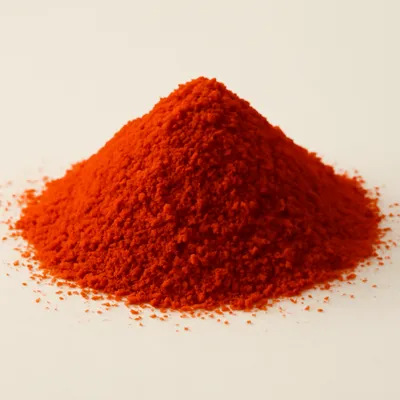
Pour the tomato-tamarind purée into a medium saucepan. Add the roasted nut-seed powder, 1 teaspoon red chili powder, ½ teaspoon turmeric, 1 teaspoon coriander powder, 1 teaspoon sugar, and salt to taste; stir to combine.
- 415 min
Cook over medium heat, stirring occasionally, until the raw tomato smell disappears and the sauce has reduced by about one quarter, 12–15 minutes.
Watch outCook until the raw tomato smell disappears — that's the sign the sauce has come together; stop early and it tastes sharp and green.
- 55 min
Cool slightly, then either pass through a fine sieve or blend smooth and return to the pan; stir in ¾–1 cup hot water to reach a pourable, lightly syrupy consistency.
- 63 min
Bring back to a gentle simmer over low heat and cook for 3 minutes to let the flavors settle and the sauce return to serving temperature.
- 73 min
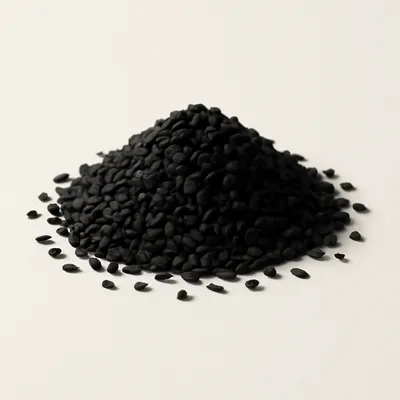
Prepare the tempering: heat 2 tablespoons neutral oil in a small pan over high heat until shimmering. Add ½ teaspoon mustard seeds, ¼ teaspoon nigella seeds, 2 garlic cloves (thinly sliced), and 8 curry leaves; fry until the mustard seeds pop, 30–40 seconds.
Watch outPour the tempering in the instant the mustard seeds pop — the popping is the flavour releasing; let them sit past it and the oil scorches bitter.
- 82 min
Pour the sizzling tempering directly into the kut, stir once gently, adjust salt, and serve immediately in a deep bowl alongside Hyderabadi biryani.


