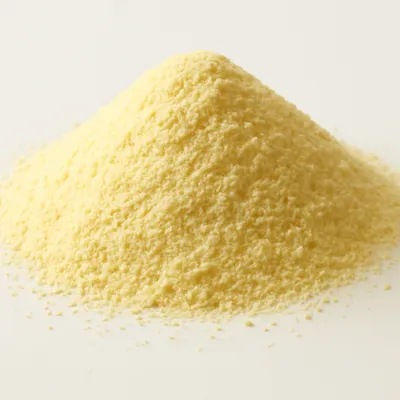
Five lentils—chana dal, toor dal, moong dal, urad dal, and masoor dal—simmered together and finished with a sizzling ghee tempering of cumin, dried red chilies, and asafoetida. The essential everyday dal of Rajasthan, cornerstone of the iconic dal-baati-churma trilogy.

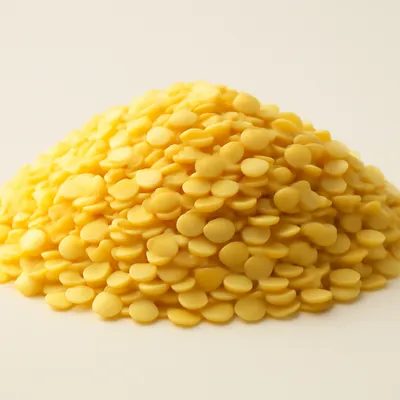



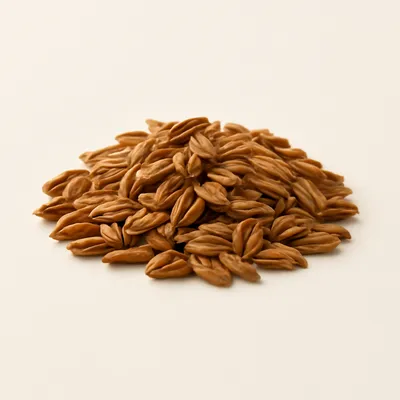
Rajasthan's arid ecology, shaped by the Thar Desert, produced a culinary culture of combining whatever legumes were available. The dal-baati-churma set—of which Panchmel Dal is the liquid anchor—is traditionally associated with Rajput warrior camps, where stone-baked baati survived without fresh water and the dal cooked slowly over minimal fire. The name derives from Sanskrit-Hindi: 'panch' (five) and 'mel' (blend, meeting). Historic Rajput households and royal kitchens in Jaipur and Jodhpur valued the five-lentil combination for complementary nutrition—each legume supplying amino acids the others lack, producing a more complete protein than any single dal.
Earthy and subtly rich, with the sizzling ghee tempering cutting through the dal's natural thickness; cumin and asafoetida build savory depth, while five different lentils deliver layered textures from silky to lightly grainy.
Pressure cooking at 120 °C accelerates starch gelatinization and protein denaturation across all five lentils simultaneously, breaking cell walls to release soluble fiber and produce a thick, cohesive broth. Chana dal's dense hull resists breakdown longest, providing textural contrast to the smoother masoor and moong. The ghee tadka operates at 180–200 °C: cumin seeds release cuminaldehyde and p-cymene into the hot fat within seconds, while asafoetida briefly blooms, its ferulic acid compounds converting raw sulfurous notes into savory depth. Poured sizzling over the cooked dal, the aromatic ghee partially emulsifies into the liquid, coating the palate.
Variations
Some cooks add finely chopped tomato to the tadka for acidity; a Jaisalmer variation uses camel-milk ghee. Festival versions incorporate whole black cardamom and a small cinnamon piece in the tempering.
On the Palate
Where Panchmel Dal sits in the Indian flavor cloud
Ingredients
Serves 4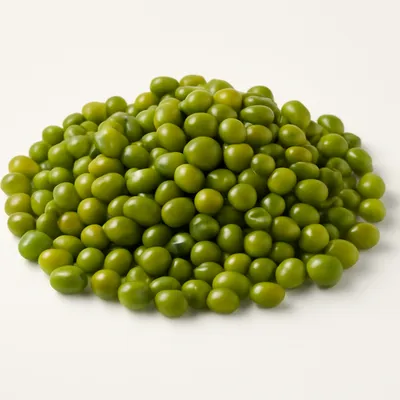


How it's made
7 steps · 30 min
- 130 min
Rinse the five lentils—chana dal, toor dal, moong dal, urad dal, and masoor dal—thoroughly, then soak together in cold water for 30 minutes.
- 225 min
Drain and transfer to a pressure cooker with 3 cups water, half a teaspoon of turmeric, and salt. Pressure cook for 4–5 whistles until all lentils are fully soft.
- 35 min
Open the cooker and whisk lightly to partially mash the lentils into a thick, cohesive consistency. Thin with hot water if needed; adjust salt.
- 42 min
Heat ghee in a small pan over high heat until shimmering. Add cumin seeds and let them crackle for 10 seconds.
Watch outGet the ghee shimmering-hot before the cumin goes in and let it crackle — hot fat blooms the seeds' aroma in seconds; lukewarm ghee just stews them flavourless.
- 52 min
Add whole dried red chilies, a pinch of asafoetida, and sliced garlic if using. Fry for 30 seconds until lightly golden.
- 63 min
Add finely chopped tomatoes and cook for 2 minutes until they break down. Stir in red chili powder, garam masala, and ground coriander.
- 75 min
Pour the sizzling tadka directly over the cooked dal, stir to incorporate, and simmer together for 3 minutes. Finish with fresh coriander and serve.
Watch outPour the tadka over the dal while it's still sizzling — that live sizzle drives the aromatics into the dal; a cooled tempering just sits flat on top.


