Dal Baati ChurmaLaal MaasBajra KhichdiBajre Ki Roti
India / Rajasthan (NW desert)

Rajasthani

Dal baati churma: trinity meal.

31 dishes · 91 ingredients · 18 techniquesReference
Signature·Dish

Dal Baati Churma

Crisp wheat flour baati served with hearty dal and sweet churma, exemplifying Rajasthani culinary resourcefulness

View page →

Rajasthan is India's desert state — Thar Desert in the west, mountains in the south, princely warrior tradition (Rajput) throughout. The cuisine was shaped by water scarcity: dishes that need no fresh vegetables, can be stored for days, use ghee instead of water for cooking, and feature dried lentils (dal), gram flour (besan), and dried mango (amchoor) for sourness. Dal baati churma is the regional trinity: baati are hard wheat balls baked in coal embers; dal is the rich lentil curry; churma is the sweet crumbled-baati dessert with ghee and jaggery. Laal maas is fiery-red mutton curry from the royal Marwar kitchens, colored by Mathania chilies. Gatte ki sabzi is steamed-and-curried gram-flour dumplings. Ker sangri (desert berries with dried beans) uses only desert ingredients. The cuisine is desert-pragmatic, ghee-rich, and the most-Rajput warrior food of India.

The Palate

HeatRichnessComplexityFermentFreshness

Start Here

Dal Baati Churma

Three components: baati (hard wheat balls baked in coals), dal (rich lentil curry), and churma (sweet crumbled-baati dessert with ghee and jaggery). Eaten together, the baati dipped in dal.

Why start here · Dal baati churma is Rajasthan's identity meal. The coal-baked baati and the ghee-rich dal are the desert pragmatism made delicious.

Laal Maas

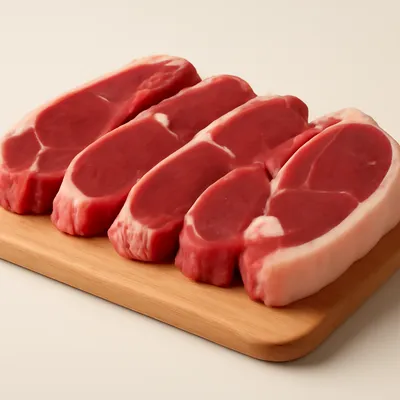
Mutton braised in a fiery red gravy of Mathania chilies, garlic, yogurt, and warm spices. The royal Marwar dish — eaten with millet roti.

Why start here · Laal maas is the Rajput warrior dish — fierce, red, ghee-rich. The Mathania chili is what makes it red without overwhelming heat.

The Pantry
See all 91 ingredients

How They Cook

Techniques that define this cuisine

See 14 more techniques

Kindred Kitchens

Cuisines built on the same signature ingredients

Other regions

Siblings within Indian — each its own tradition.

Punjabi
45

Tandoor heartland — butter chicken, dal makhani, naan. Ghee-rich, wheat-leaning, the most globally exported face of Indian food.

Kerala
43

Spice-coast coconut-and-fish — appam, fish curry, avial, sadya banana-leaf feast.

Bengali
42

Fish, mustard oil, panch phoron — sweet meets pungent. The dessert culture (rasgulla, mishti doi) is its own discipline.

Gujarati
34

Vegetarian by default — sweet-savory-sour braided into every plate. Dhokla, thepla, kadhi, undhiyu.

Maharashtrian
33

Mumbai street food's home — vada pav, misal pav, pav bhaji. Coastal Konkani heat meets Marathi snack culture.

Tamil
33

Tamil Nadu three traditions — Chettinad spice, Brahmin vegetarian, urban dosa-idli street.

Andhra
30

India's spiciest mainstream cuisine — pickle-pungent, chilli-forward Telugu cooking built on rice, tamarind, and the sour gongura leaf. Guntur chillies bring the heat; fiery powders (podis) eaten with ghee and rice are a daily ritual.

Karnataka
30

South India's most varied state cuisine — from the millet-and-jowar plates of the dry north to the coconut-rich coast of the south, anchored by Udupi's celebrated vegetarian temple cooking. Mildly sweet, jaggery-touched, and the birthplace of the masala dosa.

Mughlai
29

Royal Persian-Indian fusion — biryani, korma, kebabs slow-cooked over dum. Saffron, dried fruit, kewra.

Hyderabadi
28

Deccan Nizam Muslim luxury — biryani, mirchi ka salan, double ka meetha.

Odia
27

The gentle, subtly spiced cuisine of Odisha on the eastern coast — rice-centred, lightly soured with curd, and historically tied to the temple kitchens of Jagannath at Puri. Mustard, panch phoron, and a famously restrained hand set it apart from its richer neighbours.

Goan
25

Portuguese-Indian creole — vinegar, kokum, palm feni. Vindaloo, xacuti, sorpotel, bebinca.

Chettinad
24

The fiery merchant cuisine of the Chettiar trading community in inland Tamil Nadu — famous as one of South India's most aromatic and pungent styles. Built on a deep arsenal of freshly dry-roasted, stone-ground spices and sun-dried meats, with star anise, stone flower, and dried red chillies driving its dark, complex masalas.

Kashmiri
24

Mountain-Persian inheritance — rogan josh, yakhni, dum aloo, kashmiri pulao. Saffron, fennel, Kashmiri red chili.

Awadhi
23

The refined Nawabi cuisine of Lucknow — slow dum-cooked korma and biryani, kebabs ground so fine they melt on the tongue (galouti), saffron-and-kewra perfumes, and the silken breads of the royal dastarkhan. Where Mughlai cooking turned delicate.

Bihari
23

The rustic, thrifty cooking of the Gangetic plains — sattu (roasted gram flour) in everything, smoky litti dough balls fired over coals, clay-pot Champaran mutton, and the wheat-and-jaggery sweets of the Chhath festival.

Parsi
22

The home cooking of the Parsis — Zoroastrians who fled Persia for India's west coast over a millennium ago — fusing Iranian sweet-sour sensibilities with Gujarati and British-era tastes. Egg-loving, jaggery-and-vinegar balanced, and unafraid of meat, it gave India dhansak and the wedding feast of Bombay.

Assamese
20

The light, sour-and-bitter cuisine of the Brahmaputra valley in India's far northeast — minimally spiced, rice-based, and built on river fish, herbs, and fermented flavours closer to Southeast Asia than to the curries of the plains. Tenga (sour) and khar (alkaline) dishes define the table.

South Indian
18

Rice and fermented batter — dosa, idli, sambar, rasam. Coconut, curry leaves, mustard seeds, tamarind.

Signature Dishes (31)

Browse all 31 dishes