


Saudi
Kabsa from the sands — Bedouin rice, dates, and qahwa.
Kabsa
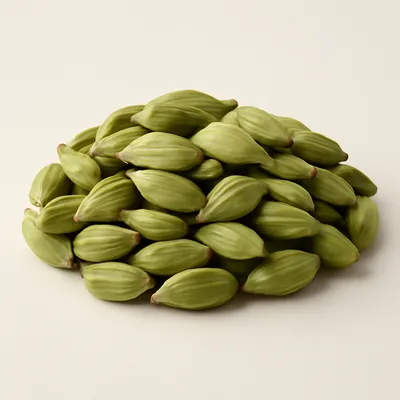
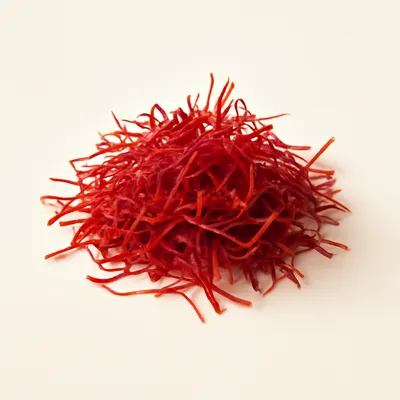
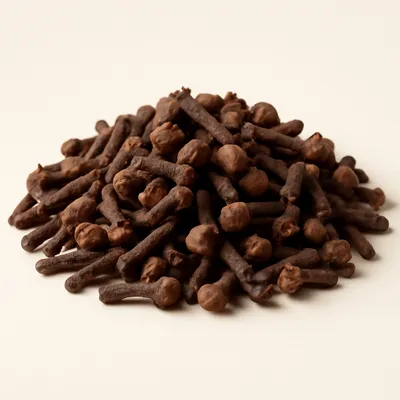
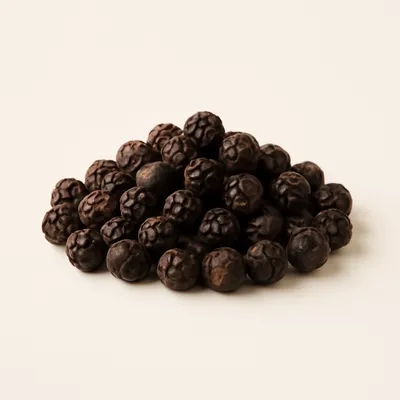
Saudi Arabia's national dish — long-grain rice (Basmati) cooked with bone-in chicken, lamb, or camel in a tomato-and-spice broth flavored with the kabsa-spice blend (cardamom, black pepper, cloves, cinnamon, dried whole lime, bay, dried rosebud), saffron-tinted, layered with toasted nuts (almonds, pine nuts, raisins) and crispy fried onions. Served on a large communal platter, eaten with the right hand by family and guests from the center outward. The universal Saudi meal — daily for households, ceremonial for guests.
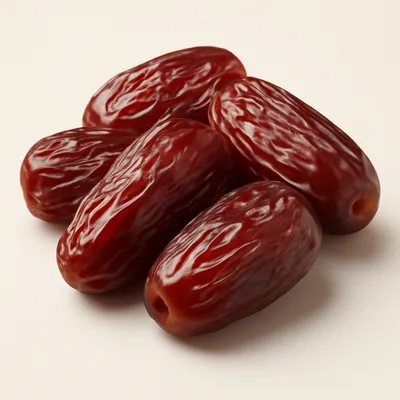
View page →Saudi Arabia is the world's largest Arabian-Peninsula nation — a vast desert kingdom that spans the Najdi central highlands, the Hejazi western coast (Mecca, Medina, Jeddah), and the Asir southern mountains. The cuisine reflects 1,400 years of Bedouin pastoral tradition, the spice-trade legacy of the Hejaz, and modern petroleum-era prosperity. The signature is kabsa: long-grain rice cooked with meat (chicken, lamb, or camel) in a tomato-spice broth flavored with the Saudi kabsa-spice blend. Mandi (slow-cooked meat-on-rice in a tannour clay oven) is the Yemeni-Saudi border tradition. Mutabbaq (stuffed pancake) is the Jeddah street food. Jareesh (cracked wheat and lamb) is the Najdi peasant heritage. Saleeg (rice porridge) is the Hejazi-Taif wedding meal. Ma'amoul (date-stuffed shortbread cookies) is the Eid celebration sweet. Saudi qahwa (cardamom-perfumed light-roast coffee) is the universal hospitality ritual — served in tiny finjan cups with dates. The cuisine is built on lamb, dates, rice, milk, and the universal Saudi cooking fat (ghee, samn).
The Palate
The Pantry






See all 66 ingredients›
































Five Regions
Five regional kitchens — Najd central wheat-and-meat (jareesh, matazeez, kabsa), Hejaz western urban (saleeg, fattah, sambousek), Eastern Province Gulf fish-and-red-rice (muhammar, sayadiyah), Asir southwest mountain pit-oven (haneeth, arikah), Northern Bedouin desert (mansaf, madhbi, madfoon). Tap a region to see its table.
The western Red Sea coast — Mecca, Medina and Jeddah, where a millennium of pilgrimage and trade brought Yemeni, Egyptian and Indian flavors inland.
The central plateau around Riyadh — the heartland of kabsa, jareesh and the Bedouin grain cookery that defines Saudi home food.
The cool southwestern highlands bordering Yemen — a green, terraced land of pit-roasted haneeth lamb, arikah flatbread and spiced grain porridges.
The northern desert — Bedouin territory of pit-cooked mansaf, open-fire madhbi and madfoon, where sheep, rice and jamid define the feast.
The Gulf coast and Al-Ahsa oasis — date-palm groves, Hasawi red rice, and a seafood tradition shaped by pearl-diving and Gulf trade.
How They Cook
Techniques that define this cuisine
See 7 more techniques›
Kindred Kitchens
Cuisines built on the same signature ingredients


