



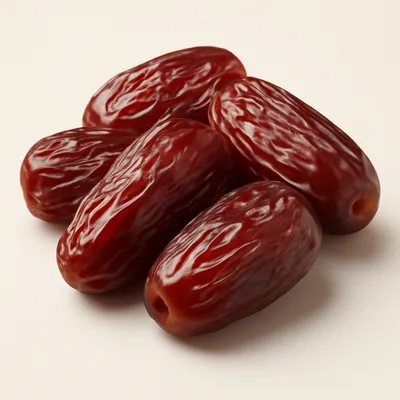

Mashghoutha is a specialty of the Asir towns of Namas, Tanumah and the Bani Amr area, a symbol of Asiri generosity at Ramadan. A very thick porridge of cornmeal (or wheat flour) is cooked with milk or buttermilk, served hot with ghee, honey and dates. It is a highland breakfast and Ramadan dish, and the cornmeal base reflects the Asiri agriculture where corn is a staple grain of the mountains.
Thick, dense, faintly sweet and corny, cooked in milk until creamy, pooled with golden honey and melted ghee on top. Eaten hot at suhoor or breakfast, it is warming, sweet and the generous Asiri morning bowl.
Cornmeal (or wheat flour) is whisked into boiling milk (or buttermilk) and beaten constantly to prevent lumps, until it forms a very thick, dense mass. The milk gives the creaminess; the corn gives the sweetness and the mountain-grain character. It is served hot, immediately, with melted ghee and honey poured over. The thickness is the point; it should nearly hold a spoon upright.
Variations
A wheat-flour version is lighter. Some use buttermilk for a tangier result.
On the Palate
Where Mashghoutha sits in the Saudi flavor cloud
Ingredients
Serves 6How it's made
6 steps · 15 min
- 14 min
Bring 600ml milk to a boil with a pinch of salt.
- 210 min
Gradually whisk in 200g cornmeal, stirring constantly to prevent lumps.
- 36 min
Beat vigorously over low heat 10 minutes until very thick and dense.
Watch outBeat it hard over low heat about ten minutes until it's dense enough to nearly stand a spoon upright — that thickness is the whole point of the dish.
- 44 min
Spoon into bowls.
- 53 min
Pour 2 tbsp melted ghee and 2 tbsp honey over each bowl.
- 63 min
Serve hot, with dates on the side.
Archive tool suggestions — not reviewed
These legacy suggestions have not been evidence-reviewed and are not presented as required tools.



