
South Sudan's daily porridge — sorghum flour cooked into a thick, slightly-tangy gruel, eaten warm with fresh milk and a drizzle of honey for breakfast, or as the soft base for mulah stew for dinner. The Dinka and Nuer staple that has fueled cattle-herding life for centuries.
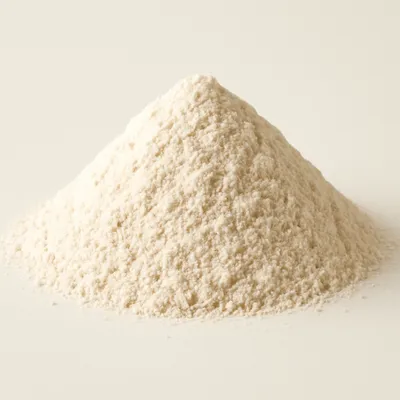


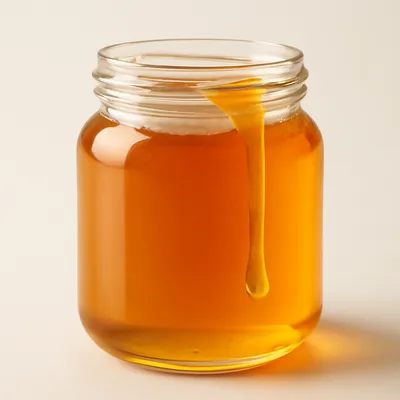


Kop kop is the South Sudanese variant of sorghum porridge shared across the Sahel. Dinka, Nuer, Shilluk, and Bari peoples have prepared it for 2,000+ years. The dish is morning fuel for cattle-herders who walk 15-20 km a day; eaten with cold fresh milk for protein or honey from wild beehives.
Spoon up kop kop from a deep bowl — pale-tan slightly-tangy porridge with cold fresh milk swirled on top, honey glistening, cardamom fragrant. First bite: the sorghum's gentle earthy-tangy flavor blooms, salt grounds it, cold milk's creamy richness contrasts the warm porridge, honey adds floral sweetness. The Dinka cattle-camp breakfast that has fueled herding for millennia.
Sorghum is naturally gluten-free, so kop kop sets entirely through starch gelatinization. Sorghum starch gelatinizes at a higher temperature than wheat (about 68-78°C vs 58-64°C) and has low peak paste viscosity, which makes it ideal for stiff, non-collapsing porridge. Two-stage flour addition with vigorous stirring shears the starch granules, releases viscosity, and prevents lumps. Cold milk on warm porridge creates thermal contrast and supplies the high-quality protein and fat sorghum lacks. Honey provides quick energy; cardamom aids digestion.
Variations
Plain kop kop uses just sorghum + water + salt + milk. Sweet kop kop adds brown sugar and cardamom. Cattle-milk kop kop uses fresh raw cow milk. Buttery kop kop adds a knob of ghee. Pearl-millet kop kop uses millet flour. Stew-base kop kop is cooked thicker and topped with mulah for dinner.
On the Palate
Where Kop Kop sits in the South Sudanese flavor cloud
Get the porridge stiff without a single lump — stream the flour into fully boiling water while whisking hard, because sorghum granules seize the instant they hit heat and any clump stays raw and gritty to the end.
Ingredients
Serves 4How it's made
8 steps · 20 min active + 5 min waiting
- 14 min
Bring 1.2 L water to a boil. Add 3/4 tsp salt.
- 23 min
While whisking, slowly stream 150 g sorghum flour into the boiling water. Whisk vigorously to prevent lumps.
Watch outThe water must be at a rolling boil the moment the flour hits it, or it clumps.
- 35 min
Reduce heat to medium-low. Cook 5 min, stirring frequently.
- 43 min
Add another 50 g sorghum flour in a slow stream while stirring. The porridge should be loose but starting to thicken.
- 58 min
Continue cooking 8 min, stirring, until the porridge thickens to the consistency of soft polenta.
Watch outIt's ready when a spoon dragged through leaves a slow-closing trench, like soft polenta.
- 61 min
Taste; adjust salt if needed.
- 71 min
Ladle into deep bowls. Top each bowl with 4-6 tbsp cold fresh whole milk + 1 tbsp honey + a pinch of cardamom.
Watch outAdd the cold milk only after ladling, so the warm-cold layering stays intact.
- 81 min
Serve immediately, warm. Drink a cup of fresh milk or sweet tea alongside.


