


South Sudanese
Sorghum and cattle — the youngest nation eats simply.
Kop Kop
South Sudan's everyday meal — sorghum-flour porridge cooked into a thick, slightly-tangy gruel, eaten warm with fresh milk and sometimes honey for breakfast, or as the soft base for mulah meat-and-okra stew for dinner. The Dinka and Nuer staple that fuels herding life.
View page →South Sudan is the world's newest country (independent 2011), and its cuisine is the food of Dinka, Nuer, Shilluk, Bari, and Equatorial peoples — built on sorghum (the universal grain), cattle (Dinka pastoralism — beef, milk, butter, yogurt as social currency), the White Nile's freshwater fish (catfish, Nile perch, tilapia), and bean-and-okra stews. Kop kop is the daily sorghum porridge eaten with fresh milk and honey; aseeda is the celebration sorghum dome with mulah stew. Wala wala (okra-and-greens stew with peanut) is the Dinka kitchen-garden everyday meal. Kisra (fermented sorghum flatbread) is essentially identical to Sudanese kisra — the same Sahel-Nile food tradition. Goat pilaf is the celebration meal for weddings and harvest festivals. The White Nile's tilapia and Nile perch, prepared with peanut and tomato, define the riverfront Juba restaurant scene. Anyajia (traditional fermented sour-milk drink) is the Dinka cattle-camp beverage. Sudanese colonial inheritance shows up in shared dishes; the new national cuisine reflects pastoral cattle culture meeting Sahel grain farming and Nile fishing.
The Palate
Start Here
Sorghum flour cooked into a thick, slightly-tangy porridge, topped with cold fresh milk and honey. The Dinka and Nuer daily breakfast.
Why start here · South Sudan's most-democratic meal. The dish that has fueled cattle-herding life for millennia — sorghum + milk + honey = pastoral perfection.
Sorghum cooked into a stiff dome with a central well of mulah (beef-and-okra stew). The communal Dinka-Nuer harvest-festival feast eaten with the right hand.
Why start here · Demonstrates the universal Sahel-Nile communal dining ritual. The dome-and-well presentation is fundamental South Sudanese hospitality.
Okra and leafy greens simmered with onion, tomato, garlic, peanuts into a thick slimy deeply-green vegetable relish. The Dinka kitchen-garden everyday vegetarian plate.
Why start here · The dish that shows how South Sudan's plant-based daily meal works. The okra slime is celebrated; the peanut adds protein.
The Pantry






See all 34 ingredients›




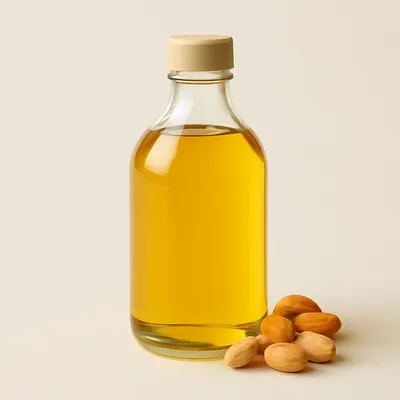
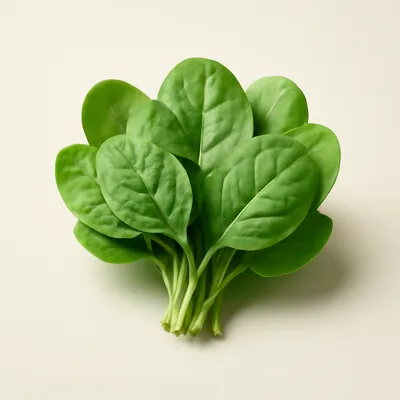

Fruits
Herbs & Spices

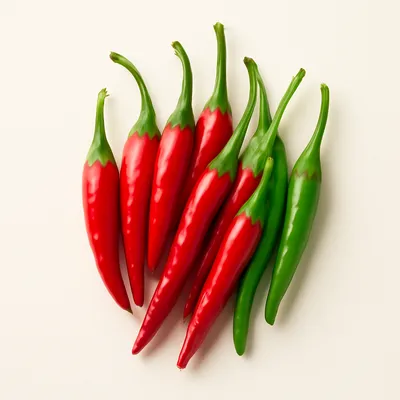
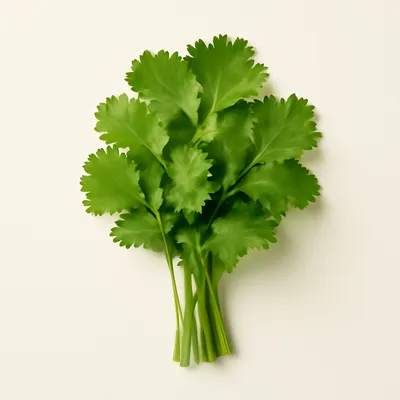


Grains & Staples


Dairy & Fats

Sauces & Condiments




On the Map
Where this cuisine is found
Regional Styles
Dinka Cattle Country
The pastoral heartland between the Sudd and the Nile. Sorghum porridges, fresh-and-fermented milk, goat pilaf for celebrations.
White Nile Fishing
Shilluk, Bari, and equatorial peoples along the river. Tilapia and Nile perch prepared with peanut and tomato; the Juba riverfront restaurants.
Sahel-Nile Bread Tradition
Shared with Sudan: kisra (fermented sorghum flatbread), aseeda (sorghum dome), wala wala (okra-greens-peanut stew).
How They Cook
Techniques that define this cuisine


