
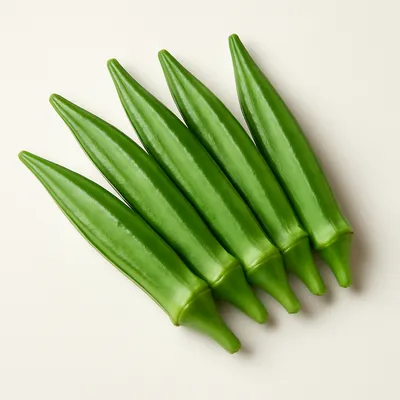
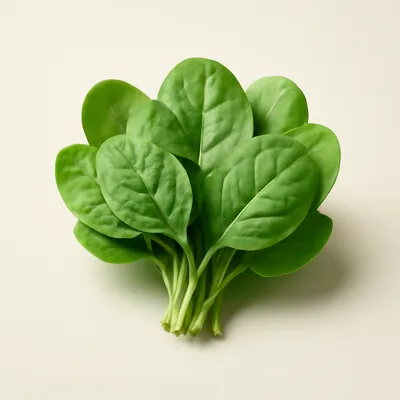




Wala wala is the South Sudanese name for okra-and-greens stews — eaten with kisra, aseeda, or rice. The Dinka, Nuer, and Shilluk peoples grow okra and leafy greens in their kitchen gardens; the dish is the everyday vegetarian alternative to beef-based mulahs. The okra slime is welcomed, not avoided. Modern Juba restaurants serve wala wala; rural cattle-camp households make it 4-5 days a week.
Spoon wala wala over warm aseeda — deep-green silky-slimy stew with okra rounds and tender chopped greens, glistening with sesame oil and peanut richness. First bite: the okra slime carries the sauce, the greens add tender body, peanut and tomato richness, sesame oil's nutty depth, ginger and chili warmth. With kisra to scoop, this is the Dinka kitchen garden in a bowl.
Okra mucilage acts as a natural thickener and is prized in Sahel-Nile cooking. Baking soda raises the pH, which intensifies the slime release. Peanut paste adds fat and protein and emulsifies into the characteristic creamy-slimy texture. Greens go in later, since they cook faster.
Variations
Beef wala wala adds 200 g cubed beef. Smoked-fish wala wala adds 100 g shredded smoked tilapia. Pure-okra wala wala skips greens. Pure-greens wala wala skips okra. Spicier wala wala doubles the chili. Dried-okra wala wala uses sun-dried okra.
On the Palate
Where Wala Wala sits in the South Sudanese flavor cloud
Ingredients
Serves 4






How it's made
12 steps · 30 min active + 15 min waiting
- 14 min
Prep 400 g fresh okra: trim tops, slice into 1-cm rounds.
- 24 min
Prep 250 g leafy greens: wash, remove tough stems, roughly chop.
- 35 min
Pound 100 g raw peanuts into a coarse paste (or use 3 tbsp natural peanut butter).
- 49 min
Heat 3 tbsp sesame oil over medium heat. Sauté 1 large chopped onion 8 min until soft and golden.
Watch outCook the onion low and slow until it turns soft and golden, not browned and bitter — this sweet base carries the whole stew.
- 52 min
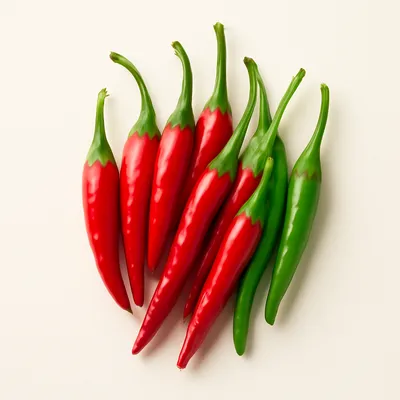
Add 4 minced garlic cloves + 1 tbsp grated ginger + 1 minced bird's eye chili; cook 1 min.
- 68 min
Add 2 chopped tomatoes + 1 tsp salt + 1 tsp paprika. Cook 7 min until thick.
- 71 min
Add the sliced okra. Stir gently.
- 811 min
Add 300 ml water + 1/2 tsp baking soda. Cover; simmer 10 min.
Watch outOnce the baking soda goes in and the lid is on, you'll see the liquid turn glossy and rope off the spoon — that's the mucilage doing its job.
- 99 min
Add the chopped greens; stir. Cook 8 min more.
- 105 min
Whisk peanut paste with 100 ml hot pan liquid. Add to the pot. Cook 3 min more.
Watch outAfter the peanut goes in, the surface should look creamy and slightly oily, not watery — three minutes is enough to bind it.
- 111 min
Taste; adjust salt. Stir in 1 tbsp lemon juice.
- 123 min
Serve hot over aseeda, kisra, or rice. Garnish with chopped scallions.


