
Uganda's universal groundnut sauce — raw peanuts roasted, ground to a coarse paste, then simmered with onion, tomato, garlic, salt, and a touch of curry into a thick caramel-brown sauce. Spooned over matoke, posho, sweet potato, or boiled cassava. The Ugandan plant-protein companion that elevates every starch.






Binyebwa (or biwoga in some dialects) is the Ugandan name for the Bantu peanut sauce that goes by dovi in Zimbabwe, ifisashi-peanut in Zambia, mafe in Senegal, and so on. Peanuts (groundnuts) were introduced to East Africa from the Americas in the 16th century via Portuguese traders and quickly became the Bantu food system's central protein-thickener. In Uganda, binyebwa is the daily sauce — every household has a jar of peanut paste and makes binyebwa 4-5 days a week to top matoke, posho, sweet potato, or whatever's at hand. The technique is the same across the Bantu belt; the Ugandan version uses a touch of curry powder (Indian-trade-route influence) and is slightly thicker than its southern African cousins.
Spoon binyebwa over a mound of warm matoke — the sauce is caramel-brown, glossy, fragrant with peanut and onion. First bite: the matoke's gentle sweetness meets the sauce's deep-nutty richness, the tomato adds bright acidity, curry warmth lingers in the back, garlic and ginger frame the front. The Bantu peanut-and-banana pairing that has fed Uganda for centuries. Without binyebwa, posho is just porridge; with it, posho is a meal.
Roasting peanuts before grinding (or using natural roasted peanut butter) develops the Maillard-browned flavor notes. The peanut paste must be whisked with hot liquid first, not added dry — this prevents the oil from separating. Simmering for 12-15 min allows the peanut emulsion to set, the tomato pectin to soften, and the flavors to meld. Curry powder is added with the tomato (bloomed in oil) to release fat-soluble flavor compounds.
Variations
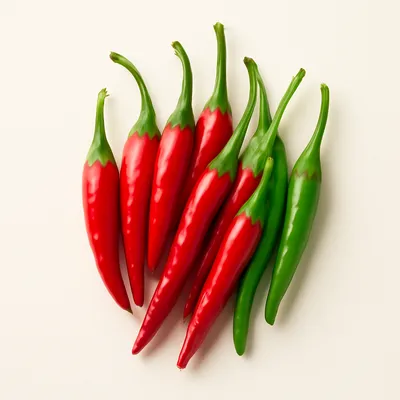
Smoked-fish binyebwa adds 200 g shredded smoked tilapia for a complete meal. Beef binyebwa adds cubed stewed beef to the sauce. Chicken binyebwa is the festive Sunday version with bone-in chicken simmered in the peanut. Vegan binyebwa keeps it as is — already plant-protein. Spicy binyebwa adds 2-3 bird's eye chilies for adult palates. Coconut binyebwa adds 100 ml coconut milk — the western Uganda variant.
On the Palate
Where Binyebwa sits in the Ugandan flavor cloud
Ingredients
Serves 4



How it's made
8 steps · 25 min active + 10 min waiting
- 112 min
Pound or grind 250 g raw peanuts with a little water into a coarse paste (or use 8 tbsp natural smooth peanut butter).
- 27 min
In a heavy pan, heat 2 tbsp sunflower oil over medium heat. Sauté 1 chopped onion 6 min until soft.
- 32 min
Add 3 minced garlic cloves + 1 tbsp grated ginger + 1 minced bird's eye chili (optional); cook 1 min.
- 47 min
Add 2 chopped tomatoes + 1 tsp curry powder + 1 tsp salt + ½ tsp turmeric. Cook 6 min until thick.
- 52 min
Whisk the peanut paste with 300 ml hot water into a smooth slurry. Add to the pan.
Watch outWhisk the peanut paste with hot water into a smooth slurry before it hits the pan — add it dry or lumpy and the oil splits out greasy.
- 613 min
Reduce heat to low. Simmer 12-15 min, stirring frequently, until the sauce thickens to a caramel-brown gravy that coats the back of a wooden spoon.
Watch outSimmer low and stir often until it thickens to a caramel-brown gravy that coats the back of a spoon — a wooden spoon dragged through should leave a clear trail.
- 71 min
Taste; adjust salt. Add 1 tbsp lemon juice for brightness.
- 82 min
Serve hot, spooned over matoke, posho, sweet potato, or boiled cassava. Garnish with chopped parsley or scallion.


