
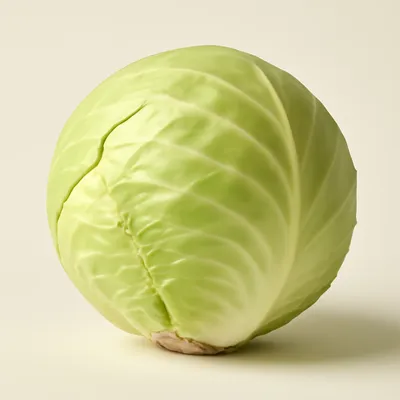
Uganda's universal street snack invented in 2000s Kampala — a fresh chapati cooked on a hot griddle, topped with a thin omelette of eggs beaten with chopped onion, tomato, cabbage, and salt, then rolled up like a burrito. Eaten by hand from a stall on the way to work or school. The name plays on 'rolled eggs' — and the dish has become so iconic that there's an annual Rolex Festival in Kampala.





The rolex traces to eastern Uganda — by most accounts an experimental-minded chapati vendor in the Busoga region (around Jinja) in the 1990s, who began frying eggs alongside his flatbread (one account names a vendor called Sula); the exact inventor isn't reliably documented. He combined the existing chapati (Indian flatbread brought when British colonial authorities recruited Indian indentured labourers in the late 19th century to build the Uganda Railway from the Kenyan port of Mombasa to Kampala) with a quick vegetable omelette as a cheap, high-calorie meal. The name comes from 'rolled eggs', which slurred in a Luganda accent into 'rolex'. The dish migrated west to Wandegeya market near Makerere University in Kampala, went viral in student culture for being hot, filling, and cheaper than a photocopied lecture page, and then spread nationwide and into Kenya and Tanzania. By the 2010s every petrol station, school gate, and bus park had a rolex stall, and Kampala launched a Rolex Festival in 2018. The dish symbolizes Kampala street-food creativity: borrowed Indian chapati + universal egg + cheap bulk vegetables = Ugandan urban icon.
Unwrap the bottom of a hot rolex from its paper — golden chapati outer, the omelette filling visible in cross-section, steam still rising. Bite: chapati chewy-soft with charred-spot bitterness, omelette eggy-creamy, vegetables (onion, tomato, cabbage) crisp-fresh, salt-and-cumin background. The whole thing fits in two hands like a burrito but tastes uniquely African — South Asian wheat technique × East African vegetables × universal egg. For 3,000 Ugandan shillings (~80 cents) you get a complete meal. The Kampala street-food perfection.
Chapati cooked over flame develops both Maillard browning (golden spots) and direct-flame char (the black spots) — a wheat-protein-amino-acid reaction at 180°C+. The egg sticks to the chapati during cooking because the proteins (ovalbumin) coagulate against the hot dough, binding them. Cabbage adds moisture and a fresh-vegetable bite (it doesn't cook much). Quick-roll technique while hot prevents the egg from cracking. The whole assembly takes 4-5 min from order to hand, which is why it's a successful street-food.
Variations
Chicken rolex adds shredded grilled chicken to the omelette. Cheese rolex adds melted cheddar slice. Veggie rolex omits the egg for vegetarians. Avocado rolex adds avocado slices for the fancy version. Beef rolex uses spiced beef strips. Spicier rolex adds extra chopped chili. Mukene rolex (Lake Victoria) adds tiny dried fish to the egg mixture — fishermen's version.
On the Palate
Where Rolex sits in the Ugandan flavor cloud
Press the chapati onto the still-wet egg in the pan so the two bond into one piece — that fusion is what lets you roll a rolex that doesn't fall apart.
Ingredients
Serves 1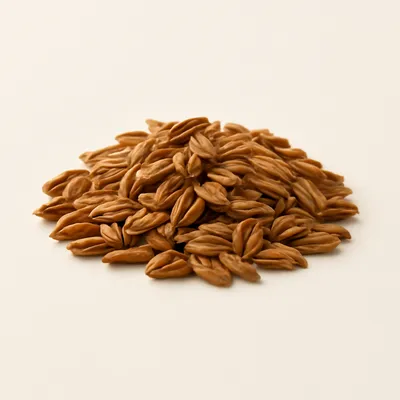

How it's made
10 steps · 18 min active + 2 min waiting
- 122 min
Make chapati dough: combine 250 g flour + ½ tsp salt + 2 tbsp oil + 150 ml warm water. Knead 5 min into a soft dough. Rest 15 min.
- 25 min
Divide into 2 balls. Roll each into a 25-cm disc, ~3 mm thick.
- 36 min
Heat a flat griddle or tawa over medium-high. Cook each chapati 2 min per side, brushing with oil, until golden-brown with charred spots. Stack and cover with a towel.
Watch outThe chapati is ready when it's golden with dark charred spots and still bends without cracking — keep it soft under a towel.
- 43 min
Make the omelette filling: beat 2 eggs with 1 tbsp finely chopped onion + 1 tbsp finely chopped tomato + 1 tbsp finely shredded cabbage + a pinch of salt + a pinch of cumin.
- 51 min
Heat 1 tbsp oil in the same hot griddle. Pour in the egg mixture, swirl to coat the pan into a thin layer.
- 61 min
Cook 1 min until just set on the bottom.
Watch outCook the egg only until the bottom just sets while the top stays wet — that wet top is the glue for the chapati.
- 71 min
Place 1 chapati directly on top of the egg in the pan. Press down so the chapati and egg bond.
- 81 min
Use a spatula to flip the chapati-and-egg together; cook 30 sec.
- 92 min
Slide onto a plate, egg-side up. Roll tightly into a cylinder. Wrap the bottom half in a paper to hold while eating.
Watch outRoll tight and immediately while everything is hot and pliable, egg-side in, into a firm cylinder.
- 101 min
Eat immediately with the right hand. Best with a cup of strong African milk-tea on the side.


