
Djibouti's mixed-vegetable stew — carrots, potatoes, green beans, cabbage, and tomato slow-cooked with garlic, ginger, turmeric, cumin, and a hint of berbere into a hearty deep-orange-amber vegetable stew. Served with rice, kisra, or bread. The Djiboutian Lenten staple, the vegetarian lunch, and the post-Eid recovery meal.






Yetakelt wet (Amharic for 'vegetable stew') is shared across Ethiopia, Eritrea, and Djibouti — the Habesha vegetarian/Lenten preparation that adapts the same wat (stew) technique used for meat dishes to vegetables. Djibouti's version distinguishes itself with slight French-colonial influence (often includes potato and green beans) and a milder spice profile than Ethiopian. The dish is the universal Lenten meal for Habesha Orthodox Christians (180+ fasting days/year) and the everyday vegetarian option in Djibouti restaurants. Modern preparation often uses pre-made shiro powder mixed in for added depth.
Spoon up yetakelt wet over rice — soft potato cubes, carrot rounds, green-bean lengths, cabbage wedges in a deep-orange-amber broth dotted with onion and tomato. First bite: the vegetables are tender but still hold their shape (each one cooked to its proper doneness), the broth carries cumin-coriander warmth and turmeric's earthy-yellow color, a hint of berbere lifts the back, cilantro brightens. Lighter than the meat stews but no less satisfying. With kisra to scoop, this is the Djibouti Lenten plate.
Vegetable timing is critical — carrots and potatoes need 25 min total to soften; green beans and cabbage only 12 min. Adding them in stages keeps every vegetable at its ideal texture. The berbere addition is restrained (1 tsp vs 3 tbsp in zigni) — vegetable stews are meant to be milder than meat stews. Turmeric provides color (which signals 'Habesha' to the eater) and a mild earthy-bitter background. The optional shiro powder adds protein and the characteristic Habesha texture.
Variations
Habesha yetakelt wet (more spice) uses 1 tbsp berbere instead of 1 tsp. Coastal yetakelt wet adds 100 g okra for slimy texture. Chickpea yetakelt wet adds canned chickpeas for protein. Cabbage-heavy yetakelt wet doubles the cabbage. Diaspora versions often include zucchini, bell peppers, and other Western vegetables. Soup yetakelt wet uses more water for a brothier preparation.
On the Palate
Where Yetakelt Wet sits in the Djiboutian flavor cloud
Ingredients
Serves 4









How it's made
11 steps · 30 min active + 40 min waiting
- 110 min
Prep vegetables: peel 2 carrots, slice into 1.5-cm coins. Peel 3 baby potatoes, halve them. Trim 200 g green beans, cut into 4-cm lengths. Quarter ½ small cabbage. Chop 2 tomatoes.
- 211 min
In a heavy pot, heat 3 tbsp olive oil over medium heat. Sauté 1 large finely-chopped onion 10 min until soft and beginning to caramelize.
Watch outTake the onions past soft to the edge of golden — a pale, wet onion leaves the stew thin and raw-tasting.
- 32 min
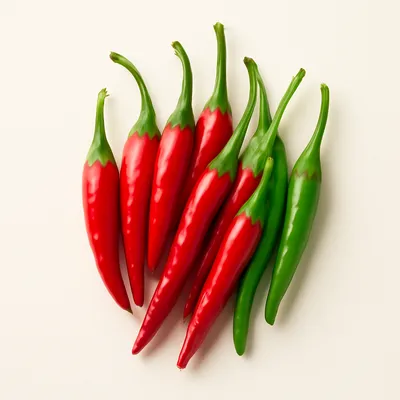
Add 4 minced garlic cloves + 1 tbsp grated ginger + 1 minced bird's eye chili; cook 1 min.
- 42 min
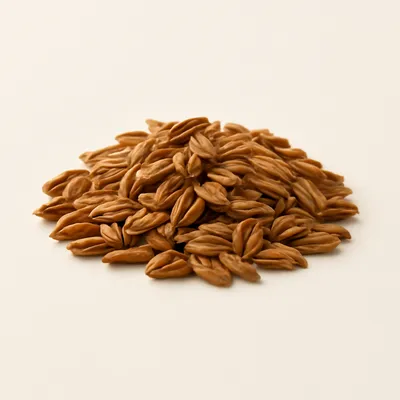
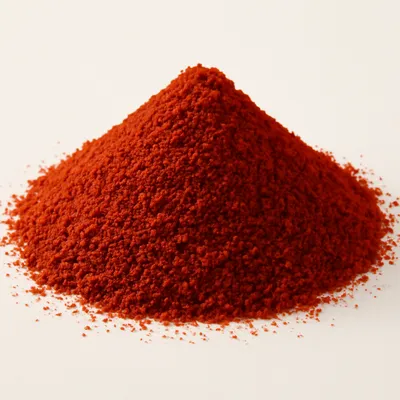
Add 1 tbsp ground cumin + 1 tsp ground coriander + 1 tsp turmeric + 1 tsp paprika + 1 tsp berbere (mild Djiboutian style); cook 1 min.
Watch outToast the spices just until they smell fragrant and bloom in the oil, about a minute — any darker and the turmeric and berbere turn bitter.
- 57 min
Add 1 tbsp tomato paste + the chopped tomatoes; cook 6 min until thick.
Watch outCook the tomato down until the paste darkens and oil beads at the edges — that's when the raw tomato tang is gone.
- 64 min
Add the carrots + potatoes + 500 ml water + 1.5 tsp salt + ½ tsp pepper + 1 bay leaf. Bring to a simmer.
- 716 min
Cover; simmer 15 min until the carrots and potatoes are starting to soften.
- 813 min
Add the green beans + cabbage. Cook 12 min more, stirring once.
Watch outAdd the green beans and cabbage only after the carrot and potato are already yielding — go in too early and the beans overcook to drab.
- 94 min
Optional: add 2 tbsp shiro powder whisked with 100 ml hot water for added depth and color.
- 102 min
Taste; adjust salt. Stir in 1 tbsp lemon juice and a handful of chopped cilantro.
- 113 min
Serve hot over white rice, with kisra or French baguette on the side. Or with injera for the Habesha-style preparation.


