
Djibouti's signature dish — long-grain rice cooked with cubed lamb, tomato, cardamom, cumin, cinnamon, garlic, ginger, and dried lime into a fragrant golden pilaf. Closer to Yemeni mandi than to Somali bariis, a mark of Djibouti's Yemeni-Arab-French-Indian trade history. The Djibouti family Friday lunch and special-occasion plate.
Skoudehkaris is the national dish of Djibouti — a small Red Sea-Gulf of Aden country with a outsized history of trade. The dish reflects all the influences: Yemeni rice technique (mandi), Arab spice ratios, French colonial sensibilities (1894-1977), Italian-Eritrean railway influence, and Indian Ocean spice routes. The dried lime (loomi) is the distinctive Persian-Gulf signature. Djibouti City's restaurants — La Mer Rouge, Mukbasa, Djibouti Palace — all feature skoudehkaris as their headline dish. The diaspora community in France, Canada, and the Gulf has carried it abroad.
Scoop skoudehkaris from a communal platter — golden-amber rice grains glossy with spice, chunks of fall-apart-tender lamb tucked throughout, dried-lime aroma lingering. First bite: cardamom-cumin-cinnamon warmth, then dried lime's unique citrusy-fermented note that sets it apart from Somali bariis, the lamb's gamey richness mingling with the rice. With a glass of chilled karkade, this is the Djibouti family meal.
Dried lime (loomi) is the distinctive Persian-Gulf-Djiboutian ingredient — it's whole limes that have been salted, sun-dried, and aged, giving them a uniquely earthy-floral-fermented citrus note that fresh lime can't replicate. Pierced with a fork before adding, the dried limes release their flavor slowly during the simmer. Long onion caramelization (12 min, longer than Somali bariis) creates a deeper sweet base. The xawaash-style spices are toasted whole and ground; the rice absorbs all flavors via the absorption method (no draining).
Variations
Chicken skoudehkaris uses bone-in chicken — faster cook (35 min instead of 50). Goat skoudehkaris uses goat shoulder. Camel skoudehkaris (rare, traditional) uses pre-pressure-cooked camel meat. Seafood skoudehkaris uses prawns or fish — coastal-Djibouti version. Vegetable skoudehkaris omits meat — Lenten or vegetarian. Modern restaurant version finishes with saffron threads and toasted pine nuts.
On the Palate
Where Skoudehkaris sits in the Djiboutian flavor cloud
Ingredients
Serves 6












How it's made
14 steps · 40 min active + 1 hour waiting
- 122 min
Rinse 500 g basmati rice 3 times in cold water until clear. Soak 20 min. Drain.
- 25 min
Cube 700 g bone-in lamb shoulder into 5-cm pieces. Season with 1 tsp salt + 1 tsp pepper.
- 313 min
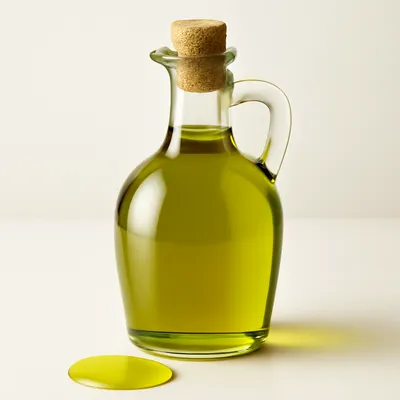
Heat 3 tbsp ghee + 1 tbsp olive oil in a heavy pot over medium-high. Brown the lamb in batches 4-5 min per batch. Remove.
- 413 min
In the same pot, add 2 large chopped onions; cook 12 min until deeply caramelized.
Watch outOnions should look deep golden-brown and collapse into a soft jam, not just wilted and pale.
- 52 min
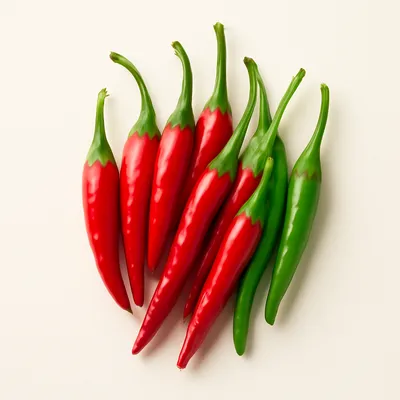
Add 6 minced garlic cloves + 2 tbsp grated ginger + 1 minced bird's eye chili; cook 1 min.
- 63 min
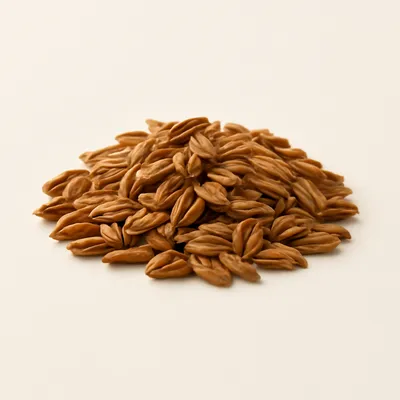
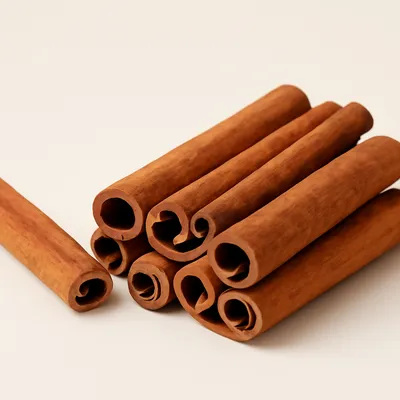
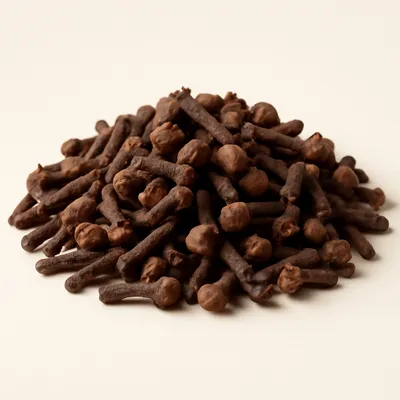
Add 2 tbsp tomato paste + 1 tsp ground cumin + 1 tsp ground coriander + 1 tsp ground cardamom + ½ tsp cinnamon + ¼ tsp cloves + 1 tsp paprika + 1 tsp turmeric; cook 2 min.
- 79 min
Add 3 chopped tomatoes; cook 8 min until thick.
- 81 min
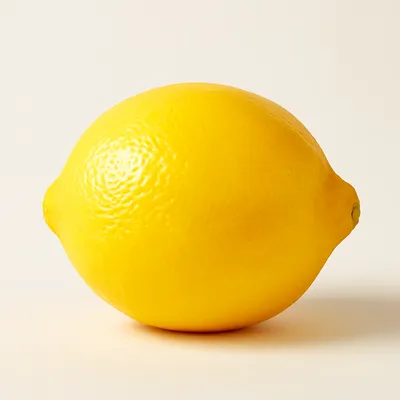
Add 2 dried limes (loomi), pierced with a fork (or substitute zest and juice of 1 fresh lime + 2 tsp dried lime powder).
- 952 min
Return the lamb + 1 L water + 1.5 tsp salt. Bring to a boil. Reduce to low. Simmer covered 50 min until the lamb is tender.
Watch outThe tomato base should be thick and glossy, oil starting to separate at the edges, before the limes go in.
- 104 min
Add the drained rice; stir gently to combine. The liquid should be 2 cm above the rice — adjust if needed.
- 1119 min
Reduce heat to lowest setting. Cover tightly. Cook 18 min.
Watch outKeep the flame at its absolute lowest and the lid tight — you want gentle steam, not a rolling boil, or the bottom scorches.
- 1211 min
Off heat, rest covered 10 min.
- 134 min
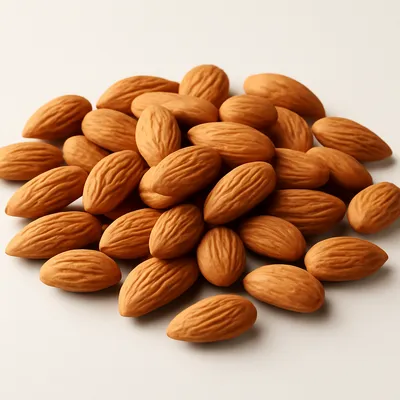
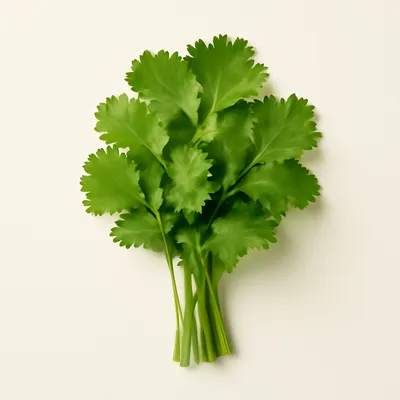
Fluff gently with a fork. Discard the dried limes. Garnish with 2 tbsp chopped cilantro and 40 g toasted slivered almonds.
- 143 min
Serve hot on a large communal platter. Eat with the right hand. Accompany with chilled karkade tea.


