
A bone-in chicken stew of caramelized onion, tomato, garlic, and warm spices, slow-simmered until the gravy thickens to a deep orange and the chicken slides off the bone. Served over plain steamed basmati. The everyday Kabul lunch — lighter than lamb dishes, sturdier than soup.
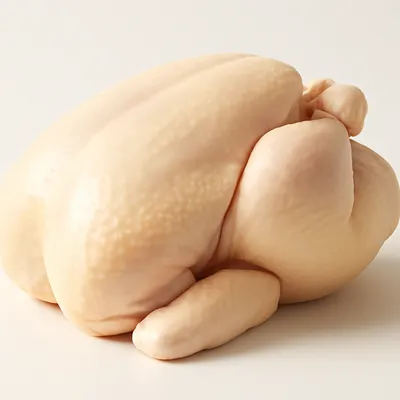





Chicken arrived relatively late and inexpensively to the Afghan repertoire but settled firmly into home and restaurant kitchens as an everyday comfort food. Distinct from the heavily-spiced Indian chicken curry: the Afghan version relies on long onion-browning rather than masala for color and depth, using just turmeric, coriander, and cumin, so the gravy stays lighter and more transparent. Often eaten with a side of fresh herbs (cilantro, mint, basil) and pickled vegetables.
The chicken is fall-apart tender, the gravy clings to the rice. Sweet from long-caramelized onions, slightly sour from tomato and lemon, warmed by cinnamon and turmeric. A fork-pull strips a strip of golden chicken, drag it through the gravy, eat with a clump of rice. Each bite is gentle and rounded — no single spice dominates. Brighten with cilantro and a squeeze of fresh lemon at the table.
Long onion-browning (15 minutes) is the flavor backbone — the slow caramelization develops sweet Maillard compounds that color the entire dish and provide its body. Tomato paste fried in oil for 2 minutes loses its raw acidic edge and becomes a savory paste. The water added later (not stock) means the chicken bones supply all the depth — a true one-pot dish that builds its own gravy.
Variations
Kabul classical (bone-in chicken pieces); a special-occasion version uses a whole chicken and presents it on top of the rice mound; northern Afghan version adds whole green chilies near the end for a mild heat; western Afghan version finishes with a splash of pomegranate molasses for sweet-sour brightness. Vegetarian adaptation uses jackfruit or cauliflower instead of chicken.
On the Palate
Where Murgh Chalow sits in the Afghan flavor cloud
Ingredients
Serves 4






How it's made
8 steps · 40 min active + 35 min waiting
- 110 min
Cut a 1.5 kg whole chicken into 8 pieces (or use bone-in thighs and drumsticks). Pat dry; season with 1.5 tsp salt and 1 tsp black pepper.
- 212 min
Heat 4 tbsp oil in a heavy pot over medium-high. Brown chicken in 2 batches, 4 minutes per side, until skin is deep gold. Transfer to a plate.
Watch outDon't crowd or flip early — leave the chicken untouched until the skin lifts freely and is deep gold; if it sticks, it isn't seared yet.
- 316 min
Reduce heat to medium. Add 3 thinly-sliced onions to the same pot; cook 15 minutes, stirring often, until deeply caramelized to brown-gold (this stage is non-negotiable for flavor).
Watch outThis is the whole dish — take the onions past soft, all the way to a jammy brown-gold; stir often near the end and add a splash of water if they threaten to scorch.
- 44 min
Add 5 minced garlic cloves and 1 tbsp grated ginger; cook 1 minute. Stir in 2 tbsp tomato paste, 1.5 tsp turmeric, 1 tsp cumin, 1 tsp coriander, 1/2 tsp ground cinnamon, 1/2 tsp black pepper; cook 2 minutes.
Watch outFry the tomato paste until it darkens a shade and smells sweet-savory instead of sharp — that's the raw acidity cooking off.
- 57 min
Add 3 chopped fresh tomatoes; mash with a wooden spoon. Cook 5 minutes until tomato breaks down completely.
- 635 min
Return chicken to pot, skin side up. Pour in 500 ml hot water, just enough to half-cover. Cover and simmer on low 30 minutes, turning chicken once.
- 76 min
Uncover; simmer 5 minutes to reduce gravy. Test chicken with a fork — it should release from bone easily. Stir in 2 tbsp lemon juice and 1/2 cup chopped cilantro.
Watch outDone is when a fork twists the meat off the bone with no resistance and the gravy has thickened enough to coat the spoon.
- 83 min
Serve over steamed basmati rice. Spoon plenty of gravy over each portion. Garnish with extra cilantro and a wedge of lemon.
Archive tool suggestions — not reviewed
These legacy suggestions have not been evidence-reviewed and are not presented as required tools.

A heavy enameled or bare cast-iron lidded pot, 4-7 liters, with thick walls and a snug lid. The mass evens out hotspots; the lid traps moisture for braising. Sears on the stovetop, then transfers to a 150°C oven for 3-4 hours of even, contained heat — the structural difference between a beef bourguignon that comes out luminous and one that turns to gray mush. Le Creuset and Staub are the celebrated versions; an old American Wagner is functionally identical.

Round metal pot, 14-26 cm diameter, with vertical walls and a long handle, designed for sauces, soups, oatmeal, rice, boiled vegetables. The vertical walls minimize evaporation (vs. a sauté pan). Sizes: 1 qt for melting butter, 2-3 qt for sauces, 4 qt for soups. Stainless-steel-clad aluminum or copper is best for conduction; cast-iron is too thick for delicate sauces.


