
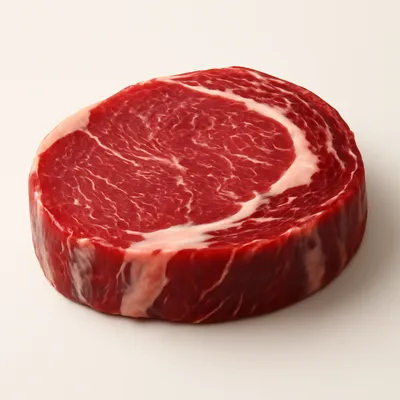
The Czech beef goulash — a slow-braised one-pot dish of beef chuck and a 1:1 weight of caramelized onion, bound by Hungarian paprika, caraway, marjoram, and dark Czech beer. Served in deep bowls over thick slices of houskové bread dumplings that drink up the sauce. Distinct from Hungarian gulyás: the Czech version is darker, thicker, less spicy, and dumpling-served — closer to a beef stew than a soup, and tightly partnered with Pilsner Urquell at the table.




The dish entered Bohemia in the 19th century from Hungarian gulyás, but Czechs transformed it. Where Hungarians cook a soupy stew with potatoes and serve it as is, Czechs reduced the liquid, brought the onion up to roughly the weight of the meat (the near 1:1 onion-to-meat ratio is the defining Czech move, and many home cooks let that mass of onion melt down to thicken the sauce), and committed to bread dumplings as the carb in place of potatoes. Paprika, itself an Ottoman introduction to Hungary, spread through the Habsburg lands and became cheap and commonplace in Bohemia over the second half of the 19th century. Today nearly every pub in Prague serves at least one guláš — pivní (with beer), Plzeňský (Plzeň-style, lighter), Moravský (Moravian, sweeter), or just hovězí (the standard beef).
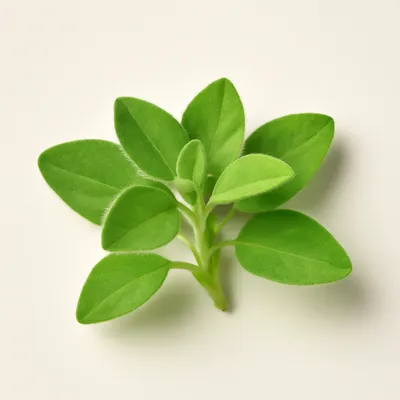
First spoonful: deep beef-and-onion sweetness with a paprika warmth that's more aromatic than hot. The sauce coats the spoon — it doesn't run. Then you bite into a piece of beef that gives without resistance; chuck cooked three hours has surrendered its connective tissue. The houskové dumpling beneath has gone half-dissolved in the sauce, soft and saturated. Marjoram is doing the lifting in the background — that's the herb that tells you you're not in Hungary. A glass of Pilsner alongside resets the palate between bites.
Two slow caramelizations build the flavor: first the onions cook 25-30 minutes until deeply brown (their fructose breaks down into the brown polymers that color and sweeten the sauce); then the beef sears just for fond on two sides — Maillard products on those crusts give the broth its meaty depth. Paprika is added off-heat because capsaicin and carotenoid pigments scorch above ~120°C and turn bitter; the residual pan heat is enough to bloom them in fat without damage. The long low simmer is collagen-to-gelatin work: chuck has high connective tissue that needs at least 2 hours below boiling to convert. Dark beer adds malt sugar and a faint hop bitterness that balances the deep onion sweetness.
Variations
Pivní guláš replaces all of the stock with dark beer for an even maltier flavor. Plzeň-style is lighter — less paprika, more beef stock, served brighter. Moravský guláš is sweeter, often with raisins or prunes added. Some Prague pubs do hovězí guláš na divoko ('wild-style') with red wine instead of beer and juniper berries for a game flavor. Vegetarian versions swap beef for mushrooms or smoked seitan — increasingly common in modern Prague kitchens.
On the Palate
Where Hovězí Guláš sits in the Czech flavor cloud
Bloom the paprika off the heat — capsaicin and its pigments scorch and turn bitter above ~120°C, so pull the pot off the flame and stir the paprika into the residual heat, never over an active burner.
Ingredients
Serves 4






How it's made
8 steps · 45 min active + 2 hours 30 min waiting
- 112 min
Cube 1 kg beef chuck into 3 cm pieces, pat dry. Slice 1 kg yellow onions (yes — 1:1 with the meat by weight) into half-moons.
- 230 min
In a heavy Dutch oven, heat 3 tbsp lard over medium-low. Add the onions and a pinch of salt. Stir occasionally, cooking 25-30 minutes until deeply caramel-brown. Don't rush this — the color of the sauce is built here.
Watch outThe onions are ready when they've collapsed to a deep caramel-brown, not just softened — this deep color is what will color the sauce.
- 310 min
Push the onions to one side of the pot. Increase heat to medium-high. Add the beef in 2-3 batches, searing on two sides only (don't try for all sides — you want fond, not gray meat). About 8 minutes of searing total across batches.
- 42 min
Pull the pot off the heat. Add 4 crushed garlic cloves, 2 tbsp Hungarian sweet paprika, 1 tsp caraway seeds, 1 tsp dried marjoram, 1 tsp freshly-ground black pepper. Stir to bloom for 30 seconds in the residual heat — paprika burns above ~120°C and turns bitter, so heat must be off.
Watch outThe pot must be off the heat here — stir the paprika 30 seconds in the residual warmth just until it smells fragrant, before it can scorch.
- 55 min
Return to medium heat. Add 2 tbsp tomato paste, stir 2 minutes until brick-red. Pour in 500 ml beef stock and 300 ml dark Czech beer (Pilsner Urquell or any Czech tmavé). Add 2 bay leaves. Scrape the fond from the bottom.
- 6130 min
Cover, reduce to low simmer. Cook 2 hours minimum, 3 hours better. Stir once per hour. The sauce should thicken on its own from the onion sugar — no flour roux needed.
Watch outKeep it at the barest simmer, lid on — the surface should just murmur. The sauce thickens on its own as the onion sugar melts down over two to three hours.
- 75 min
When beef is fork-tender (a piece should give to a spoon, not require a knife), taste and adjust salt. If the sauce is still thin, uncover and reduce 10-15 minutes. Discard bay leaves.
Watch outFork-tender means a piece yields to a spoon without a knife. If the sauce is still thin, uncover and reduce 10-15 minutes.
- 85 min
Slice warm houskové knedlíky (separately prepared steamed bread dumplings) into 1.5 cm rounds. Arrange 3-4 slices in a deep bowl, ladle guláš over them so the dumplings absorb the sauce. Garnish with finely diced raw onion. Serve with cold Pilsner.


