
Afghan-style meatballs of ground lamb mixed with grated onion, split yellow peas, and warm spices, simmered in a tomato-and-turmeric gravy until the gravy thickens to a clinging coat. Served over plain white basmati (chalow) with a side of pickled vegetables. The weekday counterpart to qabili palaw — less ceremonial but the lamb-and-rice flavor combination is the same.
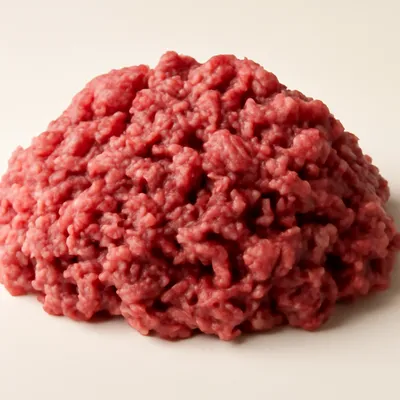




A Kabul mid-week staple — meatballs stretch a small amount of lamb across a family meal and the split-pea binder thickens the meatball without flour. The dish predates the modern Afghan kitchen by centuries; similar kofta-and-rice dishes appear from Istanbul to Kabul. The Afghan signature is yellow split peas in the meatball mix (rather than breadcrumbs) and turmeric-heavy gravy.
The meatball is unusually tender for being unbreaded — the split peas absorb fat and stay moist. Cut one open and the inside is fluffy, almost cake-like. The gravy is sweet-savory from caramelized tomato paste, earthy from turmeric and cumin. Spoon both meatball and gravy over hot rice; each forkful is meat + gravy-soaked rice. A bite of pickled cucumber or carrot on the side cuts the richness perfectly.
Pre-cooking split peas before mixing them into ground lamb is the secret — uncooked, they would stay hard inside the meatball. As starch-rich legumes they absorb fat during simmering, keeping the meatball moist where breadcrumbs would dry it out. Grated onion (vs diced) releases water and onion-juice into the mix, providing internal seasoning. The tomato paste must caramelize in oil before water is added — this builds the gravy's brown, sweet depth.
Variations
Kabul classical (lamb + yellow split peas); some households use ground beef or a 50/50 lamb-beef mix. Festive version simmers a soft-boiled egg inside each meatball. Northern Afghan version adds a handful of soaked dried apricots to the gravy for a sweet-sour note. Vegetarian adaptation uses ground walnuts and chickpeas instead of meat.
On the Palate
Where Kofta Chalow sits in the Afghan flavor cloud
Ingredients
Serves 4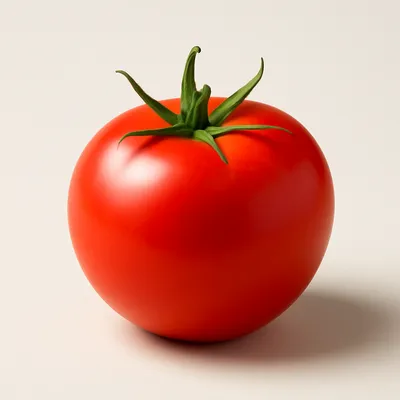






How it's made
8 steps · 50 min active + 40 min waiting
- 127 min
Simmer 1/2 cup yellow split peas in 2 cups water with a pinch of salt for 25 minutes until just tender. Drain and cool slightly.
Watch outSimmer the split peas just to tender, still holding their shape — mush here means the meatballs won't bind.
- 25 min
Grate 1 large onion on the coarse side of a box grater (this releases its juice). In a bowl combine 500g ground lamb, the grated onion + its juice, the cooked split peas, 1 tsp ground cumin, 1 tsp ground coriander, 1/2 tsp turmeric, 1 tsp salt, 1/2 tsp black pepper. Mix with one hand for 2 minutes until tacky.
Watch outMix with one hand until the meat turns tacky and clings to your palm — that stickiness is what holds the ball together in the pan.
- 317 min
Wet hands with cold water. Roll mixture into 16 walnut-sized meatballs. Place on a plate and chill 15 minutes (firms them for frying).
- 412 min
Heat 3 tbsp oil in a wide heavy pan over medium. Brown meatballs in two batches, 5 minutes per batch, turning to color all sides. Transfer to a plate.
Watch outDon't crowd the pan and don't nudge them too early — leave each ball until a brown crust forms, then it'll release on its own.
- 59 min
In the same pan add 1 more tbsp oil and 1 finely-diced onion. Cook 8 minutes until softened. Add 3 minced garlic cloves and 1 tsp grated ginger; cook 1 minute.
- 64 min
Stir in 2 tbsp tomato paste, 1 tsp turmeric, 1 tsp paprika, 1 tsp cumin; cook 2 minutes to caramelize the tomato. Add 2 chopped tomatoes; mash with a spoon.
Watch outFry the tomato paste until it darkens to brick-red and the raw-tomato smell is gone — that caramelized base is where the gravy's sweet depth comes from.
- 727 min
Pour in 500 ml hot water; bring to a simmer. Return meatballs to the pan, spoon gravy over them. Cover and simmer on low 25 minutes, turning meatballs once at the midpoint.
- 85 min
Uncover; simmer 5 more minutes to reduce gravy to a clinging consistency. Taste; adjust salt. Serve over plain steamed basmati rice with chopped cilantro on top.
Archive tool suggestions — not reviewed
These legacy suggestions have not been evidence-reviewed and are not presented as required tools.

A heavy enameled or bare cast-iron lidded pot, 4-7 liters, with thick walls and a snug lid. The mass evens out hotspots; the lid traps moisture for braising. Sears on the stovetop, then transfers to a 150°C oven for 3-4 hours of even, contained heat — the structural difference between a beef bourguignon that comes out luminous and one that turns to gray mush. Le Creuset and Staub are the celebrated versions; an old American Wagner is functionally identical.

Round metal pot, 14-26 cm diameter, with vertical walls and a long handle, designed for sauces, soups, oatmeal, rice, boiled vegetables. The vertical walls minimize evaporation (vs. a sauté pan). Sizes: 1 qt for melting butter, 2-3 qt for sauces, 4 qt for soups. Stainless-steel-clad aluminum or copper is best for conduction; cast-iron is too thick for delicate sauces.


