
The mother-sauce of the Afghan kitchen: a slow-cooked stew built on a deep base of onions fried until they collapse into a dark, jammy paste, then layered with tomato, lamb, and a restrained hand of turmeric and cumin. Qorma is less a single recipe than a method — the same onion-and-tomato foundation carries lamb, chicken, okra, spinach, or split peas. Spooned over plain steamed rice (chalow), it is the dish an Afghan home cooks more than any other.






Qorma sits at the very center of Afghan home cooking — ask any Afghan grandmother how to cook, and the lesson begins with the qorma base: onions fried slow and dark, then tomato cooked down to a paste, the two together forming the foundation onto which almost any meat or vegetable is built. The technique travelled along the Silk Road trade towns, sharing a name with the Mughal korma to its east, yet the Afghan version diverged into something rougher and tomato-forward, where the Indian cousin leaned on cream, nuts, and yogurt. In Kabul households the depth of a cook's fried onion is the single measure by which the whole dish is judged.
The sauce is the whole story: dark, savory-sweet from long-fried onion, with tomato providing a low background tang and turmeric a warm earthiness. The lamb has surrendered completely, pulling apart at the touch of a spoon and releasing its fat into the gravy. Ladled over rice, each grain drinks up the qorma so the dish eats as one — soft, rich, and faintly sweet, with cilantro cutting through at the finish.
The dish lives or dies on the onion: 20-plus minutes of slow frying drives off water and pushes the sugars through Maillard browning and caramelization, building the dark color and savory-sweet depth no shortcut can replicate. Toasting the spices and tomato paste in hot oil before liquid is added blooms their fat-soluble aromatics and removes the raw, sharp edge of the paste. The long, gentle simmer then converts the lamb's collagen to gelatin, which both tenderizes the meat and gives the sauce its body.
Variations
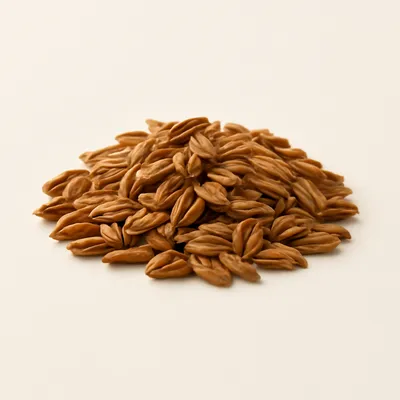
Qorma is a template: qorma-e-sabzi swaps in masses of spinach and herbs; qorma-e-lawand uses yogurt and turmeric for a pale, tangy gravy; qorma-e-bamia folds in okra; chicken or beef stands in for lamb; split peas (dal) are simmered in for a heartier everyday version. Some cooks add a cinnamon stick or black cardamom to the simmer.
On the Palate
Where Qorma Afghan sits in the Afghan flavor cloud
Ingredients
Serves 4
How it's made
8 steps · 1 hour 30 min
- 125 min
Slice 3 large onions thinly. Heat 4 tbsp oil in a heavy pot over medium and fry the onions, stirring often, for 20-25 minutes until they collapse into a soft, deep mahogany-brown jam.
Watch outKeep frying and stirring until the onions collapse into a soft, dark mahogany jam — this is the whole flavor base, so don't stop at pale gold.
- 21 min
Add 4 minced garlic cloves and 1 tbsp grated ginger; cook 1 minute until fragrant.
- 38 min
Cut 800g lamb shoulder into 4 cm cubes. Push the onions to the side, raise the heat, and brown the lamb in the rendered oil for 6-8 minutes on all sides.
- 42 min
Stir in 2 tbsp tomato paste, 1.5 tsp turmeric, 1 tsp ground cumin, 1 tsp ground coriander, 1 tsp salt and 1/2 tsp black pepper; cook 2 minutes to toast the spices and caramelize the paste.
Watch outFry the tomato paste and spices in the hot oil a full two minutes until they smell toasty and the paste darkens — this cooks off the raw, sharp edge.
- 55 min
Add 3 chopped tomatoes and mash them into the onions; cook 5 minutes until they break down and the oil begins to separate at the edges.
Watch outCook the tomatoes down until the oil beads and separates at the edges — that split oil is the signal the base is properly reduced.
- 662 min
Pour in 500 ml hot water, scrape the bottom, and bring to a gentle simmer. Cover and cook on low for 60 minutes, until the lamb is fork-tender and the sauce has reduced and darkened.
Watch outSimmer low and covered until the lamb is fork-tender and the sauce has darkened and reduced — rushing on high heat toughens the meat instead of melting it.
- 710 min
Uncover and simmer 10 more minutes to thicken the qorma to a glossy, clinging gravy; taste and adjust salt.
- 85 min
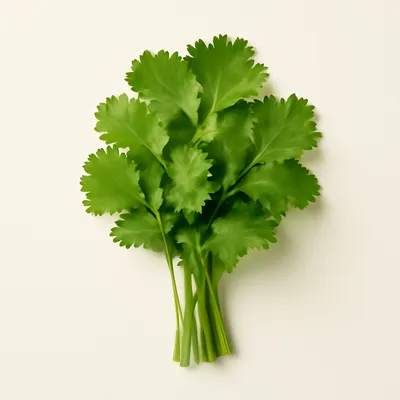
Rest off the heat 5 minutes, scatter with chopped cilantro, and serve over plain steamed long-grain rice.


