
A Persian-Herati festival rice — long-grain basmati layered with butter-toasted reshteh noodles, sweetened dates, and braised lamb, all steamed together under a saffron-butter glaze until a deep golden tahdig (rice crust) forms at the bottom. The noodles symbolize finding one's path; eaten at Nowruz (Persian New Year) and important family transitions.


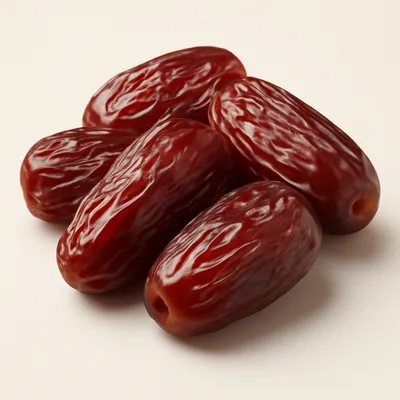


An ancient Persian Nowruz dish — the noodles (reshteh = 'thread' or 'path') symbolize taking the right path in the new year. The dates symbolize sweetness ahead. The Herati version adapts the Persian classical recipe to its own ingredients and lamb-eating preferences. The crispy tahdig at the bottom is the prized layer — guests fight over it at the table. A wedding-table dish across western Afghanistan; never weekday food because it demands the cook's full attention for hours.
First a forkful of just rice and noodle: long fragrant grains threaded through tender al-dente noodles, each carrying butter and saffron. Then a chunk of lamb — fork-tender, fragrant with cinnamon and cumin. A bite of date — sweet caramel, balancing the lamb's savoriness. Then the tahdig: shatter-crisp, deeply buttery, brittle as praline. The interplay of soft rice + tender meat + crisp crust + sweet fruit is the wedding-day plate at its most elegant. Pomegranate seeds scattered on top add bright tart pop.
Toasting the reshteh in dry heat before boiling develops nutty flavor without burning — they cook fast (4-5 min) in boiling water because the toasted starch hydrates quickly. Parboiling rice + reshteh together for 6 minutes brings both to similar texture. The tahdig forms because the bottom layer is in direct contact with the buttered hot pan — long low heat slowly caramelizes the starches without burning. The kitchen-towel-wrapped lid traps steam efficiently; this is the Persian dum technique. Dates are layered through rather than mixed in so they don't melt and sweeten everything uniformly.
Variations
Herati classical (lamb + reshteh + dates + saffron); a Tehran version uses chicken instead of lamb and adds barberries; vegetarian Nowruz version omits meat and uses lentils + dates; some Mashhad households add 1/2 cup dried apricots alongside the dates; modern chef version places a layer of pomegranate molasses-soaked walnuts between rice and lamb for added sweet-sour depth.
On the Palate
Where Reshteh Polo sits in the Afghan flavor cloud
Ingredients
Serves 6



How it's made
11 steps · 1 hour 15 min active + 1 hour 15 min waiting
- 178 min
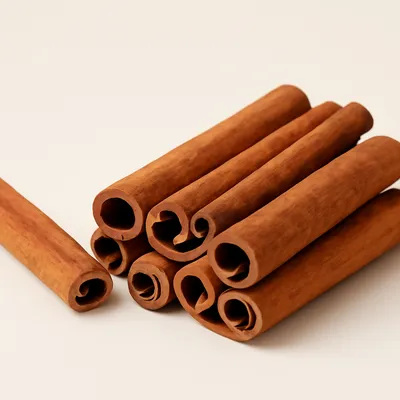
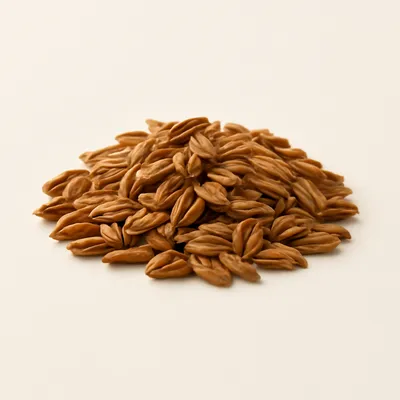
Braise lamb first: cut 600g lamb shoulder into 4 cm chunks. Brown in 2 tbsp oil 6 minutes. Add 1 diced onion, 4 minced garlic cloves; cook 8 minutes. Stir in 1 tsp turmeric, 1 tsp cinnamon, 1 tsp cumin, 1/2 tsp salt. Add 500 ml water; simmer covered 60 minutes until lamb is fork-tender. Drain (reserve 200 ml stock).
- 212 min
Pit and chop 1 cup dried dates into halves. Soak in 1/2 cup warm water 10 minutes. Drain.
- 36 min
Toast reshteh: in a dry skillet over medium heat, toast 200g reshteh noodles (broken into 5 cm lengths) 4 minutes, stirring constantly, until fragrant and pale gold. Set aside.
Watch outToast the reshteh only to pale gold and fragrant; pull them off before they darken or they'll taste bitter.
- 432 min
Rinse 3 cups basmati rice until water runs clear. Soak in cold salted water 30 minutes; drain.
- 54 min
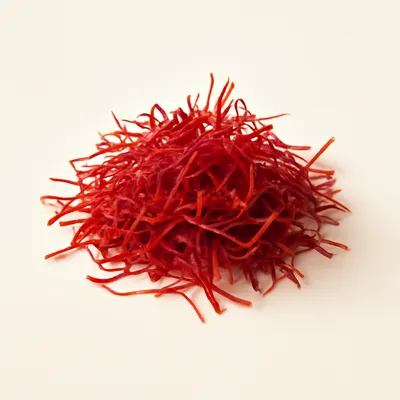
Bloom 1/2 tsp saffron threads in 3 tbsp warm water.
- 610 min
Parboil rice: bring 3 liters salted water to a vigorous boil. Add the toasted reshteh + drained rice. Cook 6 minutes — both should be al dente. Drain immediately and rinse with cool water.
Watch outBoth rice and noodles should bend but still have a firm bite at 6 minutes; drain the instant they're al dente.
- 76 min
In a heavy non-stick pot melt 4 tbsp butter + 2 tbsp neutral oil over medium. Spread 2 cups of the rice-noodle mixture flat as the bottom layer (this will become tahdig). Drizzle with 2 tbsp saffron water.
- 88 min
Continue layering: half the remaining rice-noodle mixture, the braised lamb chunks, half the dates, more rice-noodle, remaining dates, finishing with rice-noodle on top. Build a cone shape.
- 95 min
Make 4 deep holes from top to bottom with the handle of a wooden spoon. Pour 3 tbsp melted butter + the reserved 200 ml lamb stock + 2 tbsp saffron water over the surface.
- 1065 min
Wrap the pot lid in a clean kitchen towel. Cover. Cook on lowest heat 55 minutes — do not lift the lid. Rest off heat 10 minutes covered.
Watch outThe pot should smell toasty and steam should ease off; that's the tahdig set, so rest before inverting.
- 116 min
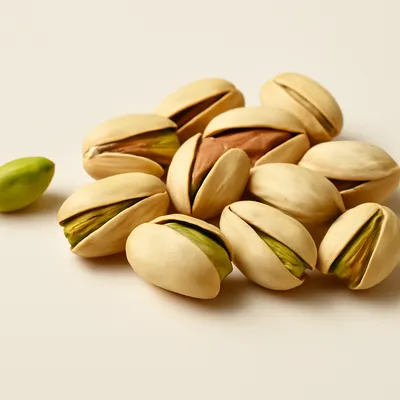
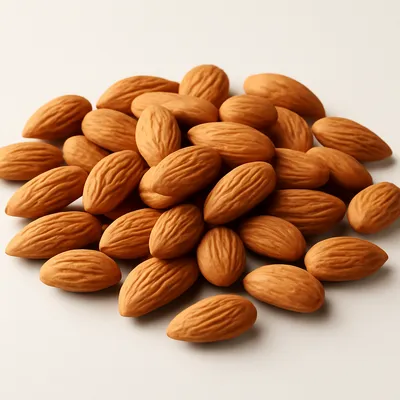
Loosen edges with a knife. Place a serving platter upside-down on top; quickly invert. The tahdig should release as a golden disc. Scatter with 1/4 cup slivered almonds and 2 tbsp chopped pistachios. Serve immediately.
Archive tool suggestions — not reviewed
These legacy suggestions have not been evidence-reviewed and are not presented as required tools.
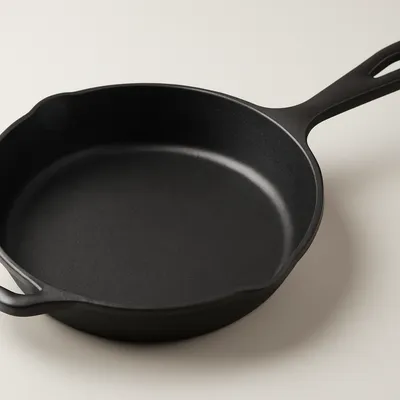
A heavy, single-piece cast iron pan, 25-30 cm across, weighing 1.5-2.5 kg. Once preheated, the thick mass holds 230°C+ even when a cold steak hits the surface — that's the secret to a deep crust. A well-seasoned skillet (multiple thin layers of polymerized oil baked into the iron) is essentially nonstick, gets better with use, and lasts a century. Lodge skillets from Tennessee have been in continuous production since 1896.
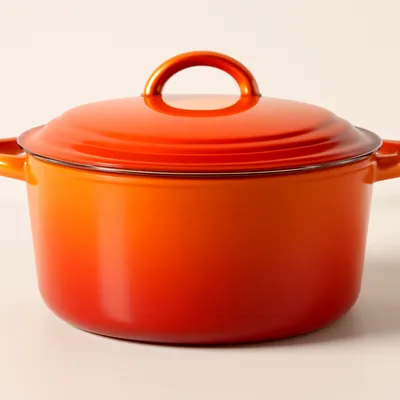
A heavy enameled or bare cast-iron lidded pot, 4-7 liters, with thick walls and a snug lid. The mass evens out hotspots; the lid traps moisture for braising. Sears on the stovetop, then transfers to a 150°C oven for 3-4 hours of even, contained heat — the structural difference between a beef bourguignon that comes out luminous and one that turns to gray mush. Le Creuset and Staub are the celebrated versions; an old American Wagner is functionally identical.

Round metal pot, 14-26 cm diameter, with vertical walls and a long handle, designed for sauces, soups, oatmeal, rice, boiled vegetables. The vertical walls minimize evaporation (vs. a sauté pan). Sizes: 1 qt for melting butter, 2-3 qt for sauces, 4 qt for soups. Stainless-steel-clad aluminum or copper is best for conduction; cast-iron is too thick for delicate sauces.


