
An Afghan winter soup of four legumes — chickpeas, mung beans, kidney beans, brown lentils — simmered with tiny meatballs of ground beef and onion, finished with a swirl of dried mint and yogurt. The pulses are cooked separately to the point of soft-but-intact and then combined; the broth becomes rich and naturally thickened. A bowl is a meal.
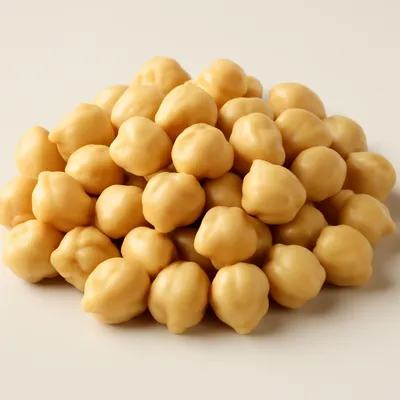
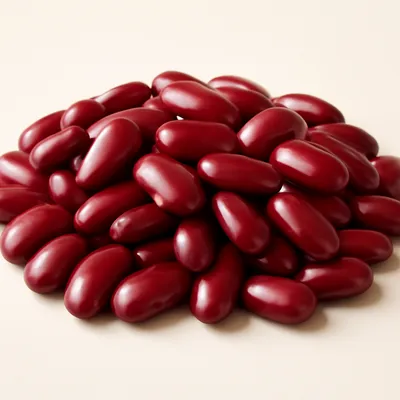
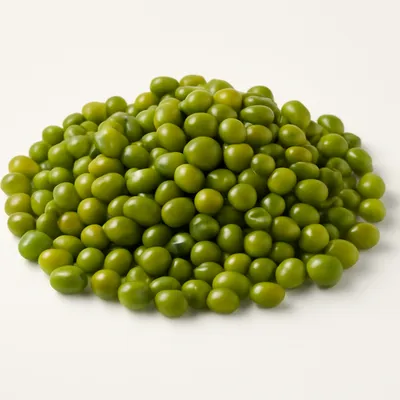
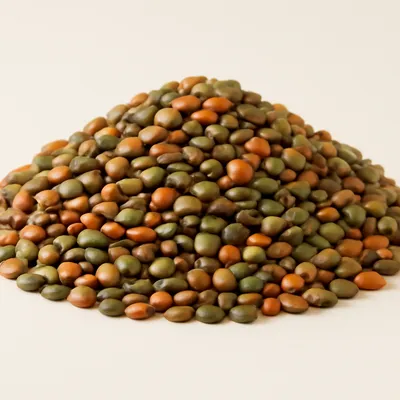


A north-Afghan and Kabul winter staple — when the snow falls and the markets close, the household pantry of dried legumes and a small amount of meat feeds a family for days. The four-legume mix is the Afghan signature; similar soups across Iran and Central Asia typically use only one or two. Often made in large batches and improved by reheating; the legumes break down further on day two and the broth thickens to almost-stew consistency.
Each spoonful captures a different legume — the firm bite of chickpea, the creamy break of kidney bean, the soft squish of mung, the silky thickness of lentil — held together by an oniony tomato broth. The meatballs are tender, almost dissolving. A swirl of yogurt cools the warmth of cumin and turmeric; dried mint adds a high cooling note. Served with naan, this is a complete winter meal that warms from the inside out.
Cooking each legume separately is non-negotiable because they have wildly different cook times — combine them raw and you get hard chickpeas next to dissolving lentils. The starch released into the broth during the final 30-minute combined simmer thickens the soup without flour. Tomato paste fried in oil adds umami; deeply caramelized onion provides body. Yogurt is added off-heat to prevent it from breaking.
Variations
Kabul classical (4 legumes + beef meatballs); a lamb version is common in Mazar; vegetarian version omits meatballs and adds extra chickpeas. Some households add a handful of rice or short noodles in the last 10 minutes for more body. The dried mint can be replaced with fresh mint for a brighter finish.
On the Palate
Where Maushawa sits in the Afghan flavor cloud
Ingredients
Serves 6






How it's made
8 steps · 1 hour active + 2 hours waiting
- 110 min
Soak overnight: 1/2 cup dried chickpeas, 1/2 cup dried kidney beans, 1/2 cup mung beans (in separate bowls — they cook at different rates). Brown lentils (1/2 cup) don't need soaking.
- 260 min
Next day, drain. Simmer chickpeas in 4 cups water 60 minutes until tender. Simmer kidney beans in 3 cups water 50 minutes. Simmer mung beans in 3 cups water 25 minutes. Simmer lentils in 2 cups water 20 minutes. Each in its own pot to control texture.
Watch outBoil each legume in its own pot — chickpeas need a full hour while lentils go soft in twenty, throw them in together and half stay stony.
- 315 min
While legumes cook, make tiny meatballs: combine 300g ground beef, 1 finely-grated small onion (juice squeezed out), 1 tsp salt, 1/2 tsp black pepper, 1/2 tsp cumin, 1/2 tsp coriander. Roll into 24 marble-sized balls.
- 413 min
In a large pot heat 3 tbsp oil over medium. Add 2 finely-diced onions; cook 12 minutes until deeply golden.
Watch outTake the onions all the way to deep amber, not just soft — that browned sweetness is the body of the whole soup.
- 54 min
Add 4 minced garlic cloves; cook 1 minute. Stir in 2 tbsp tomato paste, 1 tsp turmeric, 1 tsp cumin, 1 tsp coriander; cook 2 minutes.
- 66 min
Add the meatballs to the pot and brown them gently 5 minutes (don't break them up).
- 732 min
Pour in 1.5 liters hot water (or reserved bean cooking water for more flavor). Add all 4 cooked legumes. Simmer 30 minutes — the soup will thicken naturally as legumes release starch.
Watch outThe broth thickens on its own as the beans shed starch — you'll see it turn cloudy and cling to the spoon, no flour needed.
- 85 min
Stir in 1.5 tsp salt to taste. Ladle into bowls. Top each bowl with 1 tbsp plain yogurt, a sprinkle of dried mint, and a drizzle of oil. Serve with naan torn into the soup.
Watch outSpoon the yogurt on off the heat — stir it into a boiling pot and it splits into grainy curds.
Archive tool suggestions — not reviewed
These legacy suggestions have not been evidence-reviewed and are not presented as required tools.
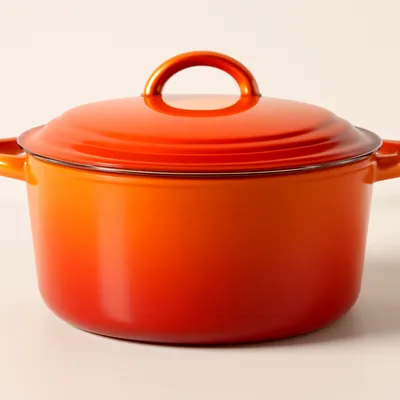
A heavy enameled or bare cast-iron lidded pot, 4-7 liters, with thick walls and a snug lid. The mass evens out hotspots; the lid traps moisture for braising. Sears on the stovetop, then transfers to a 150°C oven for 3-4 hours of even, contained heat — the structural difference between a beef bourguignon that comes out luminous and one that turns to gray mush. Le Creuset and Staub are the celebrated versions; an old American Wagner is functionally identical.

Round metal pot, 14-26 cm diameter, with vertical walls and a long handle, designed for sauces, soups, oatmeal, rice, boiled vegetables. The vertical walls minimize evaporation (vs. a sauté pan). Sizes: 1 qt for melting butter, 2-3 qt for sauces, 4 qt for soups. Stainless-steel-clad aluminum or copper is best for conduction; cast-iron is too thick for delicate sauces.


