
Ash-e Reshteh
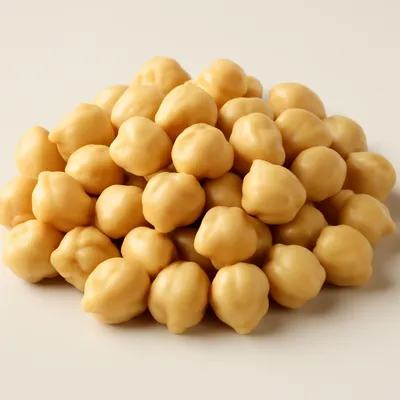
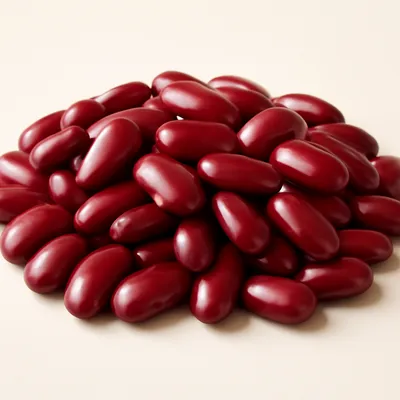
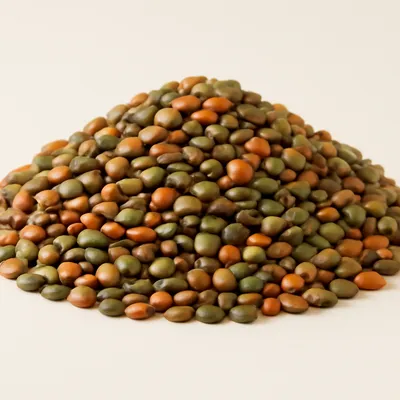
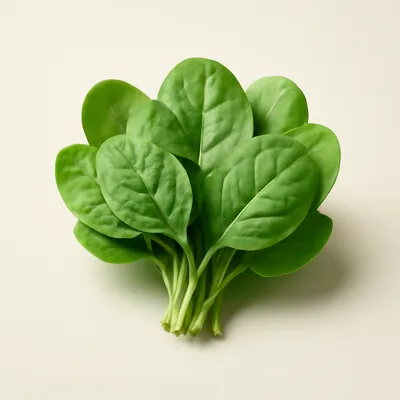
“A massive Persian-Afghan herb soup — chickpeas, kidney beans, brown lentils, and bundles of fresh herbs (parsley, dill, cilantro, scallion, fresh spinach) simmered until they melt into a thick green broth, finished with toasted reshteh noodles, a swirl of kashk fermented yogurt, and a tadka of fried garlic, mint, and turmeric. The vegetarian centerpiece of Persian and Herati cooking.”


Where it comes from
Pre-Islamic Persian origin — ash (thick soup) appears in Zoroastrian texts as ceremonial food, especially eaten at Nowruz (Persian New Year) and during fasting periods. The Herati version is closer to the Iranian original than the Kabul variants; western Afghanistan shares deep cultural and linguistic ties with Iran. The noodles (reshteh = 'threads') symbolize finding one's path. Made in enormous pots for community events; the cook is judged by how green the soup stays (over-cooking turns herbs brown) and by the body of the kashk drizzle.
On the plate
First taste: an avalanche of green herbs — parsley brightness, cilantro coolness, dill anise notes, scallion sharpness — all softened by long simmering. The legumes provide body: firm chickpeas, creamy kidneys, melting lentils. The noodles are tender, almost slurpy. Then the tadka hits: dried-mint hot oil swirls a high cooling note over the whole bowl. Kashk adds sharp lactic depth that ties everything together. Eaten alone or with naan torn into the bowl.
How it works
Cooking each legume separately is essential (same logic as maushawa) — different cook times means combined raw cooking gives uneven texture. The 8 cups of herbs collapse to about 2 cups when wilted, releasing their water-soluble flavors into the broth. Turmeric is bloomed in oil first (this releases curcumin's color); adding turmeric to water alone leaves it weak. The off-heat tadka technique — sizzling dried mint in just-removed-from-heat oil — captures the volatile mint oils that would burn off if cooked. Kashk's funk balances the sweet beans and herbs.
Variations
Herati classical (chickpea + kidney + lentil + noodle + kashk + mint tadka); Iranian version skips spinach and adds beet greens; festive Tabrizi version adds beef ribs; vegan version replaces kashk with cashew-yogurt; modern Tehran cafes serve a deconstructed ash with kashk and tadka in side ramekins for individual drizzling.
On the Palate
Ingredients
Serves 6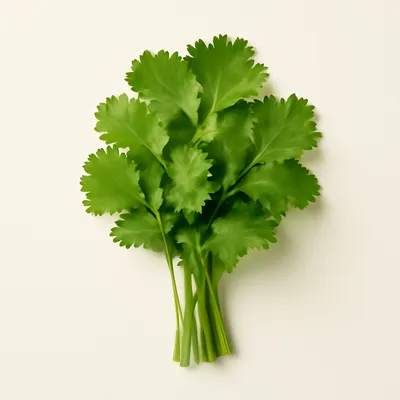







How it's made
10 steps · Show ↓75 min active · 165 min waiting
How it's made
10 steps · Show ↓- 110 min
Soak overnight: 3/4 cup dried chickpeas and 3/4 cup dried red kidney beans (separate bowls). Brown lentils (1/2 cup) don't need soaking.
- 265 min
Drain. Simmer chickpeas in 4 cups water 60 minutes; kidney beans in 4 cups water 50 minutes; brown lentils in 2 cups water 20 minutes. Each in its own pot.
- 325 min
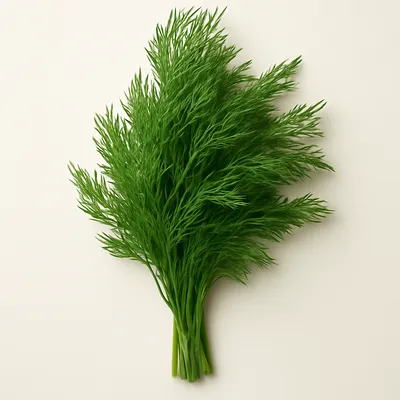
While beans cook, wash and chop: 1 large bunch flat-leaf parsley, 1 bunch cilantro, 1 bunch dill, 1 bunch scallions (greens included), 200g fresh spinach. The total volume of herbs should be roughly 8 cups — this is the soup's defining character.
- 413 min
In a large soup pot heat 4 tbsp oil over medium. Add 2 finely-diced onions; cook 12 minutes until deeply golden.
- 52 min
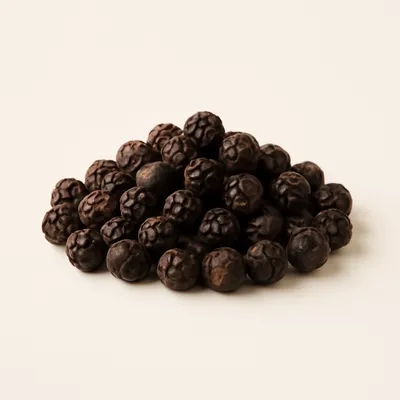
Add 6 minced garlic cloves; cook 1 minute. Stir in 1.5 tsp turmeric, 1 tsp salt, 1/2 tsp black pepper; cook 30 seconds.
- 66 min
Add all the chopped herbs. Stir to coat in the oil; cook 5 minutes until herbs wilt and turn deep green.
- 732 min
Pour in 2 liters hot water (or reserved bean cooking water). Add all 3 cooked legumes. Simmer 30 minutes for flavors to meld.
- 89 min
Add 200g reshteh noodles (broken into 5 cm lengths) directly to the simmering soup. Cook 8 minutes until noodles are tender and have absorbed some broth.
- 95 min
Make the tadka: in a small skillet heat 3 tbsp oil. Add 3 sliced garlic cloves; fry until golden. Remove with slotted spoon. Add 2 tbsp dried mint to the oil off-heat (it sizzles violently). Stir in 1/2 tsp turmeric.
- 103 min
Stir 2 tbsp kashk into the soup (it will streak through milky-white). Ladle into bowls. Top each with extra kashk, the fried garlic, and a generous drizzle of the mint-turmeric oil.
What you'll need

A heavy enameled or bare cast-iron lidded pot, 4-7 liters, with thick walls and a snug lid. The mass evens out hotspots; the lid traps moisture for braising. Sears on the stovetop, then transfers to a 150°C oven for 3-4 hours of even, contained heat — the structural difference between a beef bourguignon that comes out luminous and one that turns to gray mush. Le Creuset and Staub are the celebrated versions; an old American Wagner is functionally identical.

Round metal pot, 14-26 cm diameter, with vertical walls and a long handle, designed for sauces, soups, oatmeal, rice, boiled vegetables. The vertical walls minimize evaporation (vs. a sauté pan). Sizes: 1 qt for melting butter, 2-3 qt for sauces, 4 qt for soups. Stainless-steel-clad aluminum or copper is best for conduction; cast-iron is too thick for delicate sauces.


