
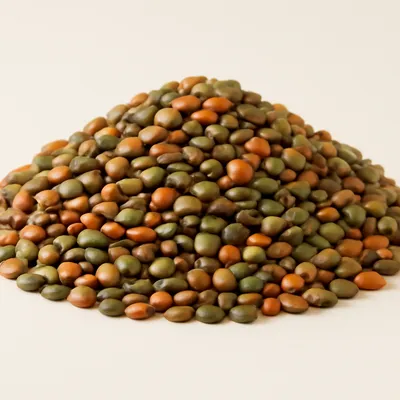
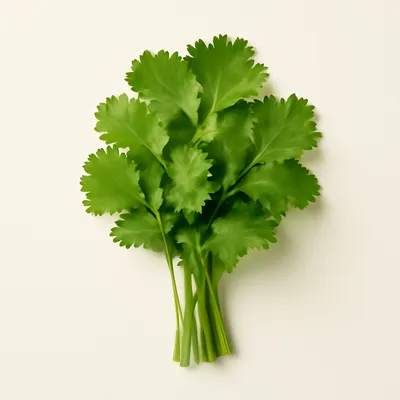
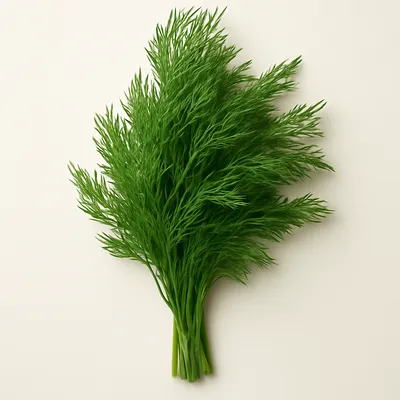
A lighter, mung-bean-based Herati soup — whole mung beans simmered until they begin to dissolve, sometimes thickened with a handful of brown lentils, with a generous hand of chopped fresh herbs (parsley, cilantro, dill, scallion), brightened with a squeeze of lemon and finished with fried mint sizzled in garlicky oil. The everyday Persian-Afghan grandmother's soup — easier than ash-e reshteh, eaten year-round.
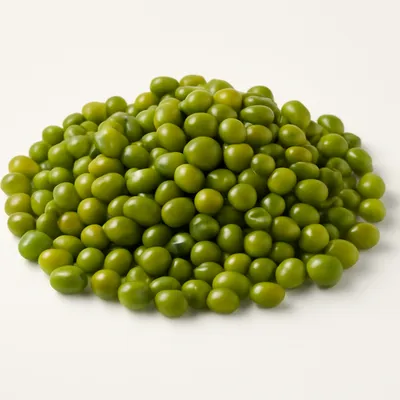


A Herati and eastern-Iranian (Khorasani) winter staple — mung beans (mosh/maash) are a cheap, fast-cooking, shelf-stable pantry food perfect for low-effort weekday cooking. Like Herat's wider kitchen it follows the Persian line: heavy on herbs and greens, light on spice — unlike Kabul's carrot-raisin-and-lamb register. Distinguished from ash-e reshteh by being lighter, faster, and noodleless. The dish is restorative in the Persian-Afghan folk tradition: warming, easy to digest, given to the convalescing and those needing nourishment. Eaten in earthenware bowls with naan torn in.
Lighter than ash-e reshteh — the soup is broth-forward instead of stew-thick. The mung beans give a sweet earthy base; lentils add depth. The herb bouquet reads clearly — you can taste each one. The lemon at the end is critical: it cuts through the legume richness and brightens the herbs. The spoonful of fried mint in garlicky oil adds a perfumed, slightly toasted finish; the dried mint contrasts the fresh herbs. Eaten in a wide bowl with naan torn into pieces and dunked.
Whole mung beans (unlike split) hold their shape better but eventually dissolve from the outside in — the roughly 45-minute simmer turns half the beans into broth body while the rest stay whole. This dual texture is the defining feature. Lemon is added off the heat at the end so it stays sharp and bright rather than dulled by cooking. The mint is finished na'na-dagh style: dried mint is sizzled in just-off-the-heat oil so the residual warmth blooms its aroma without scorching it bitter.
Variations
Herati classical (mung + lentil + herbs + lemon + fried-mint oil); some households bulk it with a cup of rice, shading the dish toward Herati kichiri; some western Afghan households add a splash of pomegranate molasses for sweet-tart depth; a restorative version (for the convalescing) adds ginger and a pinch of ground fenugreek; a robust meal version stirs in cooked diced lamb shank at the end.
On the Palate
Where Ash-e Mosh sits in the Afghan flavor cloud
Ingredients
Serves 6






How it's made
9 steps · 35 min active + 1 hour 25 min waiting
- 132 min
Soak 1 cup whole mung beans in cold water 30 minutes; drain.
- 211 min
In a large pot heat 3 tbsp oil over medium. Add 1 large finely-diced onion; cook 10 minutes until pale gold.
Watch outCook the onion just to pale gold, not brown — a deep sear here would muddy this bright green soup.
- 32 min
Stir in 4 minced garlic cloves and 1 tsp turmeric; cook 1 minute.
- 45 min
Add the drained mung beans and 1/2 cup brown lentils. Stir to coat. Pour in 2 liters hot water and 1 tsp salt. Bring to a boil, then reduce to a simmer.
- 547 min
Simmer uncovered 45 minutes, stirring occasionally, until both legumes are fully tender and beginning to break down. The broth should be cloudy and slightly thickened.
Watch outSimmer until about half the mung beans have melted into the broth while the rest stay whole — that cloudy, half-thick body is the point; watch it doesn't scorch on the bottom.
- 617 min
Wash and chop: 1 large bunch parsley, 1 bunch cilantro, 1 bunch dill, 1 bunch scallions. Add all to the soup. Simmer 15 more minutes — herbs will soften and color the broth deep green.
- 72 min
Stir in juice of 1 lemon (2 tbsp), 1 tsp ground cumin, 1/2 tsp black pepper. Taste; adjust salt.
Watch outThe herbs are in enough once the broth turns deep green and the greens go limp — pushed longer they dull.
- 84 min
Make tadka: heat 3 tbsp oil in a small skillet. Add 3 thinly-sliced garlic cloves; fry to light gold. Remove from heat. Stir in 1.5 tbsp dried mint and 1/2 tsp turmeric (will sizzle).
Watch outPull the pan off the heat before the mint goes in — it should sizzle in the leftover warmth and smell fragrant, not fry dark and turn bitter.
- 93 min
Ladle soup into bowls. Drizzle each with a spoonful of the tadka oil and a few pieces of fried garlic. Serve with naan and lemon wedges.
Archive tool suggestions — not reviewed
These legacy suggestions have not been evidence-reviewed and are not presented as required tools.

A heavy enameled or bare cast-iron lidded pot, 4-7 liters, with thick walls and a snug lid. The mass evens out hotspots; the lid traps moisture for braising. Sears on the stovetop, then transfers to a 150°C oven for 3-4 hours of even, contained heat — the structural difference between a beef bourguignon that comes out luminous and one that turns to gray mush. Le Creuset and Staub are the celebrated versions; an old American Wagner is functionally identical.

Round metal pot, 14-26 cm diameter, with vertical walls and a long handle, designed for sauces, soups, oatmeal, rice, boiled vegetables. The vertical walls minimize evaporation (vs. a sauté pan). Sizes: 1 qt for melting butter, 2-3 qt for sauces, 4 qt for soups. Stainless-steel-clad aluminum or copper is best for conduction; cast-iron is too thick for delicate sauces.


