
Eritrea's universal tomato sauce — fresh tomatoes slow-cooked with onion, garlic, jalapeño, berbere, niter kibbeh, and a touch of salt into a thick, smoky-spiced, deep-red relish. Spooned over injera, scrambled eggs, or alongside zigni and shiro. The Habesha condiment that adds bright acidity and chili to every meal.






Selsi is the Eritrean tomato-and-berbere sauce that's the Habesha equivalent of salsa, chimichurri, or sambal — a universal condiment that brightens the plate. The dish is so basic and ubiquitous that every Asmara household keeps a jar of selsi in the fridge. It can be prepared from fresh tomatoes (best) or canned tomatoes (everyday); the longer it simmers, the deeper the flavor. Vegan-friendly version skips niter kibbeh and uses olive oil — common during Lent. The dish is also called 'tagabino selsi' when made with onion as a focus and 'fresh selsi' when uncooked and salsa-like.
Spoon selsi onto a piece of injera or beside zigni — deep-red glossy chunky sauce, niter kibbeh swirls visible, cilantro flecks. First bite: bright tomato acidity hits, berbere blooms with its complex chili-warm-cardamom-fenugreek complexity, niter kibbeh adds buttery aromatic richness, jalapeño's grassy heat lifts the back. The selsi cuts through whatever it accompanies — meaty zigni, creamy shiro, or rich eggs — bringing freshness and balance. The Habesha plate-brightener.
Selsi is essentially a tomato concassé (broken-down tomato) with Habesha seasonings. Slow-cooking tomatoes 12-15 min breaks down their cell walls and releases pectin (natural thickener), creating the characteristic glossy thick texture. The niter kibbeh fat fries the berbere spices, releasing fat-soluble flavor compounds that water alone wouldn't extract. The jalapeño adds fresh green heat that balances the dried-chili warmth of berbere. Cooking the sauce just enough preserves the bright tomato flavor without making it taste like marinara.
Variations
Lenten selsi skips niter kibbeh and uses olive oil only — vegan and dairy-free. Roasted-tomato selsi uses oven-roasted tomatoes for a smokier flavor. Mild selsi reduces berbere by half — for kids. Chunky selsi keeps more tomato pieces intact. Egg selsi (foul medames Habesha-style) tops scrambled eggs with selsi. Hot-spicy selsi adds extra fresh chilies — Asmara student favorite.
On the Palate
Where Selsi sits in the Eritrean flavor cloud
Ingredients
Serves 4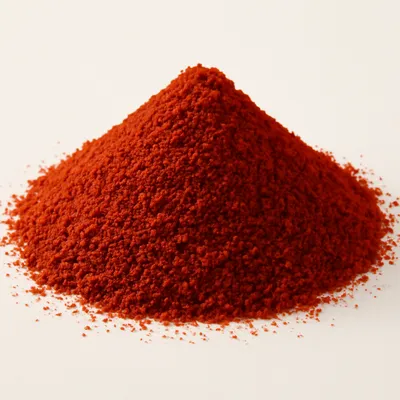




How it's made
11 steps · 25 min active + 10 min waiting
- 12 min
In a heavy pan, heat 2 tbsp niter kibbeh + 1 tbsp olive oil over medium heat.
- 29 min
Add 1 large finely chopped onion; cook 8 min until soft and just-golden.
- 32 min
Add 4 minced garlic cloves; cook 1 min.
- 42 min
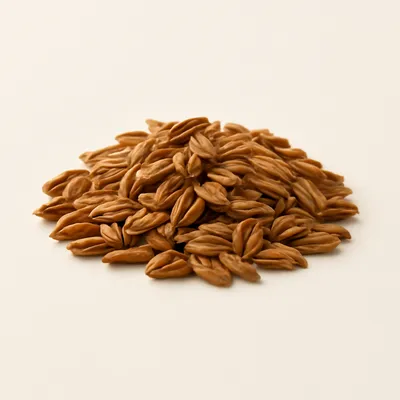
Add 1 tbsp berbere + 1 tsp paprika + ½ tsp cumin + ½ tsp salt + ¼ tsp black pepper; cook 1 min to bloom the spices.
Watch outFry the berbere in the fat just about a minute until it smells fragrant and deepens in color — let it scorch and the whole sauce turns bitter.
- 53 min
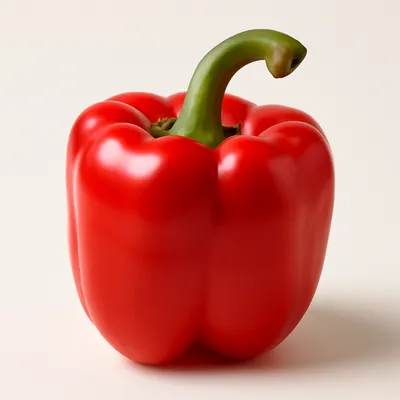
Add 4 large fresh tomatoes (peeled and roughly chopped) + 1 tbsp tomato paste.
- 61 min
Add 1 finely chopped jalapeño or 2 green bird's eye chilies (deseeded for milder).
- 714 min
Reduce heat to medium-low. Simmer 12-15 min, stirring occasionally, until the tomatoes break down into a thick chunky sauce.
Watch outSimmer until the tomatoes collapse into a thick chunky sauce — you want it glossy and holding its shape on the spoon, not watery.
- 83 min
Smash a few of the tomato pieces against the pan side to release juice. Add 1 tbsp lemon juice.
Watch outSmash a few tomato pieces against the pan side to loosen their juice and thicken the body — leave them whole and the sauce stays thin and loose.
- 92 min
Taste; adjust salt. The selsi should be deep-red, glossy, with visible tomato pieces and a balanced spice profile.
- 101 min
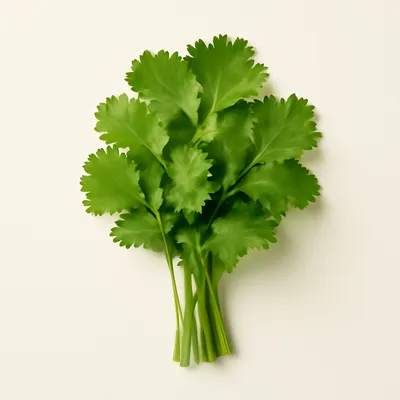
Cool slightly. Stir in 1 tbsp chopped cilantro and 1 chopped scallion.
- 112 min
Serve at room temperature or warm, spooned over injera, alongside zigni, or with eggs for breakfast. Keeps in the fridge for 5 days.


