
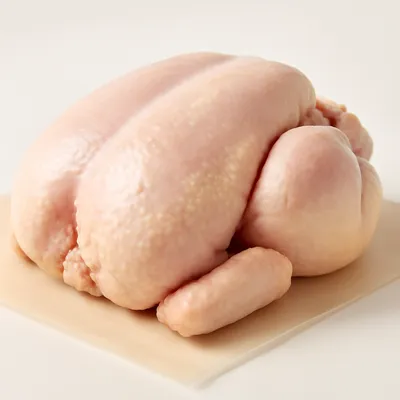
Eritrea's Sunday celebration dish — bone-in chicken (a whole 1.5 kg bird) slow-stewed in caramelized-onion-and-berbere sauce with niter kibbeh, garlic, ginger, and 12 peeled hard-boiled eggs added at the end. The most elaborate Habesha stew, taking 3 hours total. Served on injera with shiro, red lentils, and collard greens. The Eritrean Sunday family meal.




Doro tsebhi is the chicken version of zigni — same Habesha technique applied to a whole bird. Sunday lunch with doro tsebhi is the Eritrean (and Ethiopian) family social ritual: the dish takes most of Sunday morning to prepare, the family gathers around a communal mesob table, and elders serve the chicken pieces with the eggs to honored guests. The 'doro' (chicken) is preferred bone-in for flavor; the chicken thighs are most-prized. The 12-egg minimum reflects the Habesha-Orthodox-feast tradition (eggs are forbidden during Lent so feast-day eggs are celebrated). Asmara's old-town restaurants like Sweet Asmara, Nyala, and Adi-Bana have been serving doro tsebhi since the Italian colonial era.
Tear off injera, scoop doro tsebhi — deep mahogany-red glossy sauce, chicken pieces fall-apart tender, hard-boiled eggs golden-stained from absorbing the sauce. First bite: berbere's complex chili-warm spice (cardamom-fenugreek-cumin layers), the 45-min caramelized onion giving deep backbone, niter kibbeh's buttery perfume on top, the chicken silky, the egg yolk creamy. With shiro, lentils, and greens around the platter, this is the Eritrean Sunday meal.
Doro tsebhi extends the zigni technique with longer cooking and added eggs. The 45-min onion caramelization (vs 30-min for zigni) is what the occasion calls for — more time, more depth. Chicken is preferred bone-in because the marrow adds gelatin-richness to the sauce. The eggs sit in the sauce for 15 minutes, taking on its color and flavor; their protein also slightly thickens it.
Variations
Goat doro tsebhi uses goat — winter version. Vegan doro tsebhi (Lenten) uses cubed mushrooms or seitan + no eggs. Lite doro tsebhi reduces berbere by half. Express doro tsebhi uses pressure cook 30 min for the chicken — same result, less onion-caramelization patience. Mediterranean-fusion doro tsebhi finishes with chopped parsley and olive oil. Ethiopian doro wat is essentially the same recipe with minor regional spice variations.
On the Palate
Where Doro Tsebhi Eritrean sits in the Eritrean flavor cloud
Ingredients
Serves 6






How it's made
14 steps · 1 hour active + 2 hours waiting
- 18 min
Cut a 1.5 kg whole chicken into 8-10 bone-in pieces. Trim excess fat. Rinse, pat dry.
- 232 min
Marinate the chicken with 2 tbsp lemon juice + 1.5 tsp salt + 1 tsp pepper. Rest 30 min.
- 313 min
Hard-boil 12 eggs (10 min in boiling water, then plunge in ice water). Peel.
- 48 min
Chop 8 large onions VERY finely (almost paste). Use food processor.
- 550 min
Place onions in a heavy pot — no oil. Cook over medium-low heat 45 min, stirring every 5-10 min. The onions will release water, dry out, then slowly caramelize to deep-mahogany-brown.
Watch outCook the onions dry, no oil, low and slow the full 45 minutes — they'll weep water, dry out, then slowly turn deep mahogany; this is the flavor foundation, so don't rush or scorch it.
- 64 min
Add 80 g niter kibbeh; stir to coat. Cook 3 min.
- 73 min
Add 6 minced garlic cloves + 2 tbsp grated ginger; cook 2 min.
- 84 min
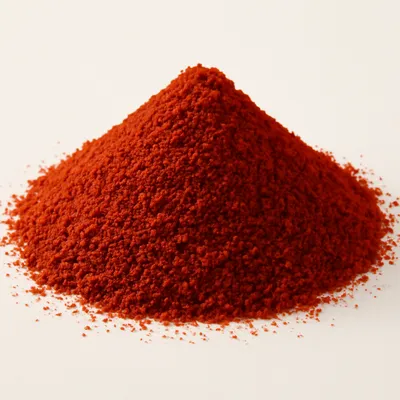
Add 4 tbsp berbere + 1 tbsp tomato paste + 1 tsp paprika + ½ tsp cardamom + ½ tsp cinnamon. Cook 3 min, stirring constantly, until the mixture is deep-brick-red.
Watch outStir the berbere and paste constantly for a few minutes until the mix turns deep brick-red and smells toasted — keep it moving so the spices bloom without catching.
- 93 min
Add 300 ml water + 2 tsp salt. Stir.
- 104 min
Add the chicken pieces; spoon sauce over to coat. Cover.
- 1160 min
Simmer on low heat 60 min, basting occasionally.
- 1216 min
Add the peeled hard-boiled eggs in the last 15 min, gently nestling them in the sauce so they absorb the flavor (eggs traditionally get gently pricked with a fork to absorb sauce).
Watch outSlip the peeled eggs in for the last stretch and prick them with a fork — they drink up the sauce, taking on its red color and flavor.
- 132 min
Taste; adjust salt. Stir in 1 more tbsp niter kibbeh for finishing.
- 146 min
Serve in the center of a large injera-lined platter. Surround with shiro, red lentils, collard greens. Place 2 chicken pieces and 2 eggs per person. Eat with the right hand.


