
Eritrea's signature stew — cubed beef slow-simmered for 90+ minutes in a deep-red sauce of caramelized onions (cooked 30 min until almost black), berbere spice blend, niter kibbeh, garlic, ginger, and tomato paste. Served on injera (teff sourdough flatbread) with sides of shiro, red lentils, collard greens, and hard-boiled eggs. The Sunday family meal across the Eritrean diaspora.



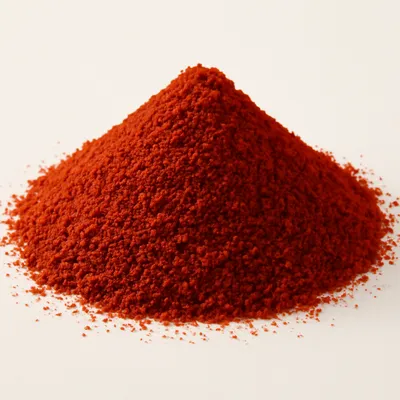


Zigni (Tigrinya ዝግኒ) is the Eritrean name for the Habesha spiced beef stew; for its deep-red color it is also called kaih tsebhi ('red stew') in Tigrinya and kai wat in Amharic, and is related to Ethiopia's doro wat / sega wat. Zigni is a type of tsebhi (the Tigrinya word for a meat stew) and is widely considered Eritrea's national dish. Eritrea and Ethiopia share the Habesha culinary tradition, so the two versions are nearly identical with slight regional spice variations. The dish's foundation is the long, oil-free dry-toasting of chopped red onions for 30-45 min until almost-black-brown and intensely sweet. Berbere — the foundational chili-spice blend of 15+ ingredients (the word means 'pepper/hot' in Amharic and Tigrinya) — and niter kibbeh (called tesmi in Tigrinya), the spiced clarified butter, together create the unmistakable Habesha flavor. Asmara restaurants like Adi-Bana, Nyala, and Castello have served zigni for generations.
Tear off a piece of injera, scoop zigni — the stew is deep-mahogany-red, thick-glossy, the beef chunks fall-apart-tender, hard-boiled egg halves nestled. First bite: berbere's complex chili-warm spice (cardamom, fenugreek, cumin, coriander, cinnamon, cloves, cinnamon all in one) blooms, the long-caramelized onion provides deep sweetness, niter kibbeh adds buttery aromatic richness, beef provides savor and texture. Injera's tangy sour cuts through the richness. The Sunday meal that defines Habesha hospitality from Asmara to Stockholm.
The long-caramelization of onions (30-40 min) without oil is the cornerstone Habesha technique — slow Maillard browning concentrates the onion's sugars without burning, creating the deep mahogany base flavor that no quick-stew can replicate. Berbere is bloomed in the niter kibbeh fat (3 min) to release its fat-soluble flavors (capsaicin, eugenol, cinnamaldehyde). The 90-min braise converts the beef's collagen to gelatin while extracting flavor into the sauce. The whole process is unhurried — Habesha cooking philosophy is about slow patience.
Variations
Doro tsebhi (chicken version) uses bone-in chicken with 12 hard-boiled eggs — the Sunday-feast preparation. Goat zigni uses goat shoulder. Lamb zigni uses lamb shank. Vegetarian zigni uses split peas or red lentils — Lenten preparation. Less-spicy zigni reduces berbere by half. Ethiopian sega wat is essentially the same recipe with regional spice variations.
On the Palate
Where Zigni sits in the Eritrean flavor cloud
Ingredients
Serves 6




How it's made
12 steps · 45 min active + 2 hours 15 min waiting
- 16 min
Cube 1 kg beef chuck or stewing beef into 3-cm cubes. Pat dry; season with 1.5 tsp salt + 1 tsp pepper.
- 28 min
Chop 6 large onions VERY finely (almost a paste). Use a food processor if needed — onions should be uniformly minced.
- 335 min
Place the onions in a heavy pot — do NOT add oil yet. Cook over medium-low heat 30-40 min, stirring every 5 min. The onions will release their water, then slowly caramelize, then become dark mahogany-brown and intensely fragrant. Do not let them burn.
Watch outThe onions go clear, then golden, then dark mahogany — chase that deep color and the sweet smell, and don't let black flecks appear.
- 44 min
Add 60 g niter kibbeh (spiced clarified butter); stir to coat. Cook 3 min.
- 53 min
Add 5 minced garlic cloves + 2 tbsp grated ginger; cook 2 min.
- 64 min
Add 3 tbsp berbere spice mix + 1 tbsp tomato paste + 1 tsp paprika. Cook 3 min, stirring constantly — the mixture should darken to deep brick-red.
Watch outWhen the berbere-tomato paste darkens to deep brick-red and smells toasty, it's bloomed — move on before it catches.
- 73 min
Add 250 ml water; bring to a simmer. Add 1.5 tsp salt.
- 83 min
Add the beef cubes; stir to coat in the sauce. Cover.
- 995 min
Simmer on low heat 90 min, stirring every 20 min. Add splashes of water if the sauce thickens too quickly. The beef should be fork-tender; the sauce should be deep-mahogany-red and thick.
Watch outDone when the beef gives to a fork and the sauce is thick and deep-mahogany; splash in water anytime it tightens too fast.
- 1016 min
Add 4 peeled hard-boiled eggs in the last 15 min — they'll absorb the sauce.
- 112 min
Taste; adjust salt. Stir in 1 more tbsp niter kibbeh for finishing richness.
- 123 min
Serve zigni in the center of a large injera-lined platter. Surround with portions of shiro (chickpea-flour stew), red lentils, collard greens, and the hard-boiled eggs. Tear off injera, scoop, eat with the right hand.


