
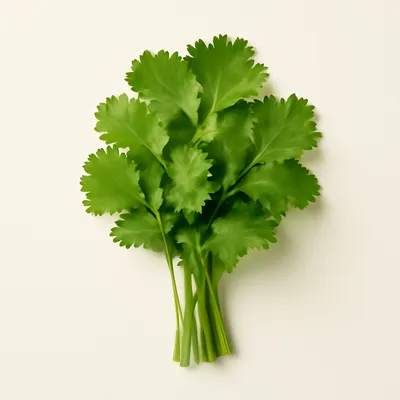
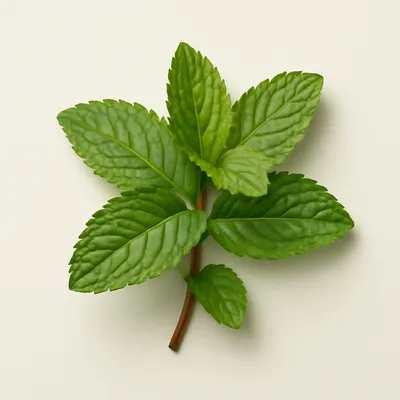
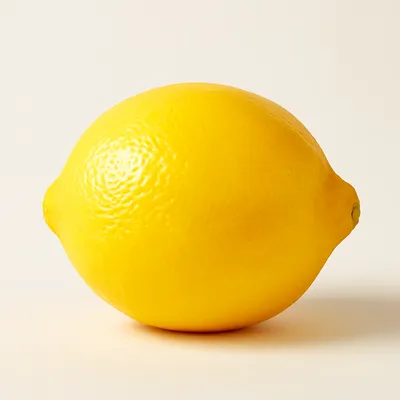
A Ramadan-iftar broth of lamb shoulder, chickpeas, tomato, onion, and freekeh (cracked young green wheat) simmered slowly with cinnamon, cumin, paprika, and mint, finished with chopped cilantro and lemon juice. The Algerian sundown soup that opens 30 nights of fasting each year.





Chorba (also shorba in Arabic) is North Africa's universal soup; the Algerian variant with freekeh wheat is distinctive — many other Maghreb chorbas use vermicelli or rice instead. Freekeh — green wheat harvested early and fire-roasted — is an ancient grain that the Algerian-Maghreb kitchen preserved while it largely fell out of use elsewhere. Chorba frik is the obligatory iftar opener during Ramadan; many families make a large pot daily for 30 days. The dish was traditional in Andalusian-Spanish kitchens before the 1492 reconquest expelled Moors back to Maghreb.
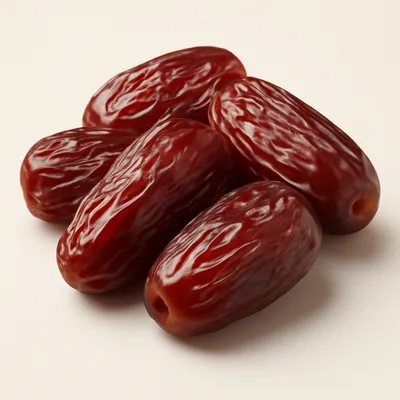
Spoon brings up rust-red broth with plump freekeh grains, soft chunks of lamb, chickpeas, and herb-confetti throughout. Freekeh's smoky-grain quality (from the fire-roast harvest) is the distinguishing flavor — it tastes nothing like rice or barley. Cinnamon-paprika warmth sits behind tomato; cilantro-mint freshness lifts the broth at the end. With a date eaten before the first spoonful (Ramadan tradition), the soup becomes the most welcome moment of the day.
Fire-roasted green freekeh has a smoky-nutty flavor unmatched by other grains; the harvest method (cutting wheat young, then burning the husk off) is unique to North Africa and the Levant. The 50-60 min simmer fully softens the grain while extracting flavor; longer would make freekeh mushy. Cilantro stems used in the sofrito-base release deeper green flavor than leaves; leaves added at the end preserve fresh aroma.
Variations
Chorba beida (white chorba) uses chicken instead of lamb, with no tomato, for a paler soup. Chorba aux vermicelles uses tiny pasta instead of freekeh — the modern variant. Coastal Bejaia version adds fresh sardines. Berber Kabyle version omits tomato and uses more cumin.
On the Palate
Where Chorba Frik sits in the Algerian flavor cloud
Ingredients
Serves 6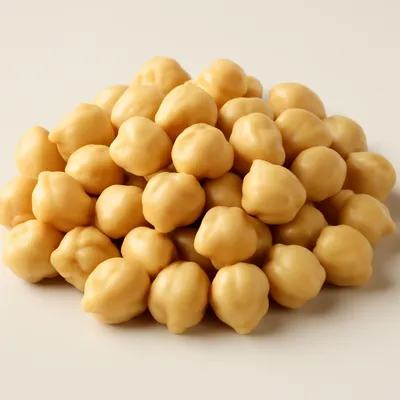




How it's made
8 steps · 35 min active + 55 min waiting
- 17 min
Heat 4 tbsp olive oil in a large pot over medium-high. Add 600 g lamb shoulder cut into 2 cm cubes. Brown 6 min, turning.
Watch outLamb should build a deep brown crust — listen for a steady sizzle, not a wet steam.
- 27 min
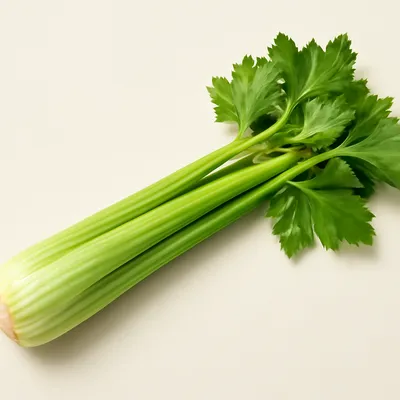
Reduce heat to medium. Add 1 chopped onion + 4 chopped garlic + 4 tbsp chopped cilantro stems + 1 chopped celery stalk. Sauté 6 min.
- 33 min
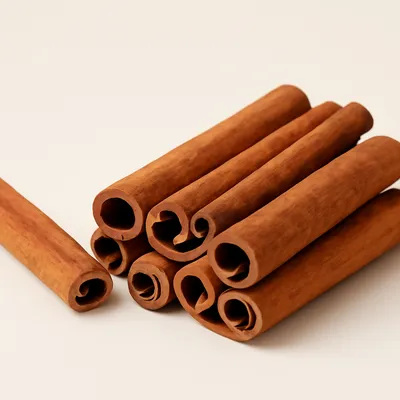
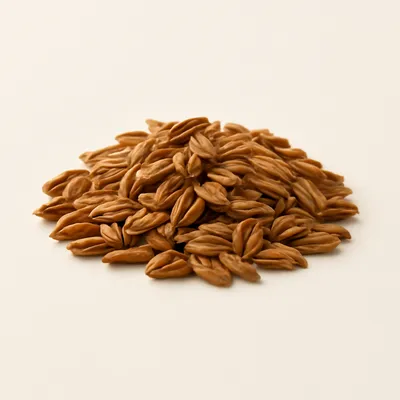
Stir in 2 tbsp tomato paste + 1 tsp cinnamon + 1 tsp paprika + 1 tsp ras el hanout (or 1 tsp cumin + ½ tsp coriander + ½ tsp pepper as substitute) + 1 tsp salt. Cook 2 min.
- 44 min
Add 600 g chopped peeled tomatoes (or 1 can) + 200 g freekeh (rinsed and drained) + 1 cup cooked chickpeas + 2 L hot water.
- 555 min
Bring to gentle boil. Reduce to bare simmer; partially cover. Cook 50-60 min, stirring occasionally, until freekeh is tender and lamb has surrendered.
Watch outSurface should barely shiver with the occasional bubble; freekeh done when a grain squashes soft between fingers.
- 63 min
Stir in 4 tbsp chopped fresh cilantro + 2 tbsp chopped fresh mint + juice of 1 lemon during the final 3 min of cooking.
- 71 min
Taste and adjust salt. The soup should be thick but spoonable — add hot water if too dense.
Watch outAim for thick-but-spoonable — it should slide off the spoon in a soft ribbon, not plop.
- 84 min
Serve in deep bowls with lemon wedges, extra chopped cilantro, and a side of dates (traditional Ramadan opener) and bread.


