


Algerian
Couscous on Friday, chorba at iftar, tajine zitoune at weddings, méchoui for Eid — the largest most-varied Maghreb cuisine with Andalusian-Moorish heritage and Saharan-Berber roots.
Couscous
Hand-rolled semolina-and-water pellets, steamed three times over a broth of slow-cooked lamb (or chicken or fish) with chickpeas, carrots, turnip, zucchini, and squash. Spooned generously onto plates with the meat and vegetables arranged on top and broth ladled over. The Algerian Friday-and-feast dish; every grandmother has her own steaming rhythm and broth ratio.
View page →Algerian cooking is the largest and most varied of the Maghreb cuisines, reflecting the country's geography from Saharan oases to Mediterranean coast. Couscous is the national grain — the Friday meal across every household — though served less spicy than the Tunisian version. Chorba (spiced broth with freekeh or vermicelli) opens evening meals during Ramadan; tajine zitoune (chicken with green olives and saffron) is the wedding-and-feast standard. Slow-cooked tajines feature lamb with prunes, almonds, and orange-blossom water — the Andalusian-Moorish heritage from refugees who fled to Algeria in the 15th century. Honey-dense almond-rich sweets (makroud el louz, ghraybeh) close meals. Coastal cooking uses fresh sardines and octopus; inland leans on grain, lamb, and chickpea. The cuisine is layered, fragrant, less harissa-driven than Tunisian.
The Palate
Start Here
Hand-rolled saffron-and-ginger couscous steamed three times over slow-cooked lamb with chickpeas, carrots, turnips, zucchini, and pumpkin. The Algerian Friday-feast centerpiece.
Why start here · Couscous is the dish all Algerian cooking points back to — every region, every household, every Friday. Once you've made it, the rest of Maghreb cooking opens up.
Ramadan iftar broth of lamb, chickpeas, freekeh (fire-roasted green wheat), tomato, and ras-el-hanout — finished with cilantro, mint, and lemon.
Why start here · Chorba teaches the Algerian sour-soup family at its most layered; freekeh is the ancient grain that survived in Maghreb when it disappeared elsewhere.
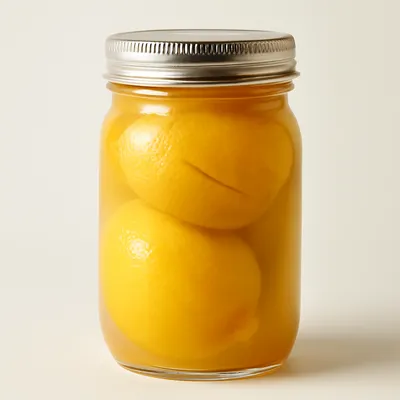
Chicken slow-braised in saffron-and-lemon sauce with green olives, mushrooms, and preserved lemon — the wedding-and-feast Algerian tagine.
Why start here · Tajine zitoune is the elegant Andalusian-Moorish side of Algerian cooking — saffron, citrus, olive, all balanced. Friday lunch elevated.
Whole lamb rubbed with garlic-cumin-paprika-butter paste, spit-roasted 4-6 hours until skin is bronze-crisp and meat falls off bone. Algerian Eid al-Adha centerpiece.
Why start here · Méchoui shows Algerian cooking at its most ceremonial — communal, slow, generous. The Eid al-Adha mandatory dish unites the country in shared kitchen smoke.
The Pantry




See all 80 ingredients›




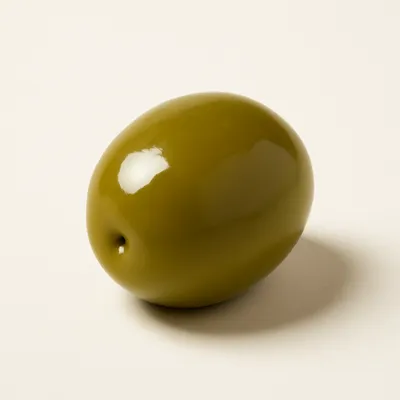
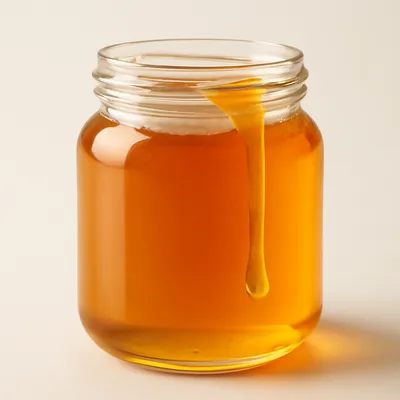
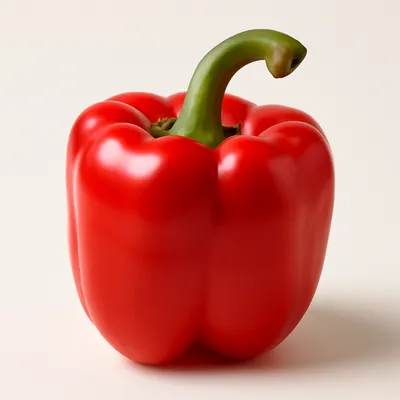

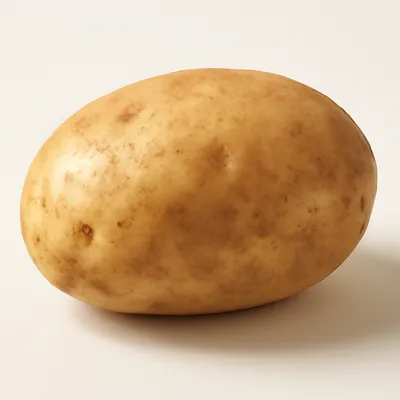







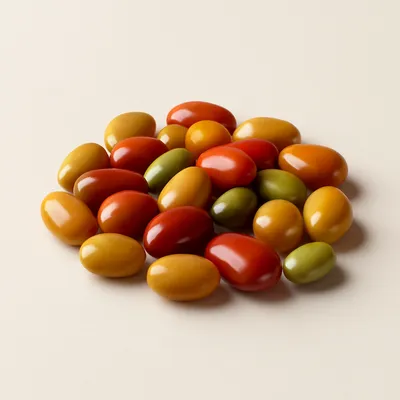
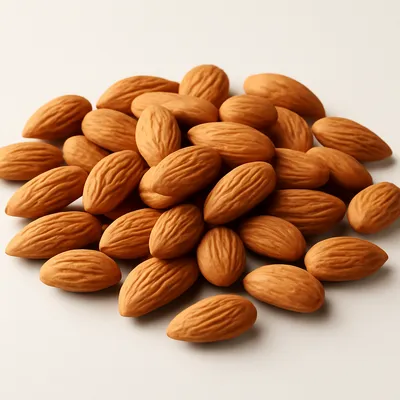
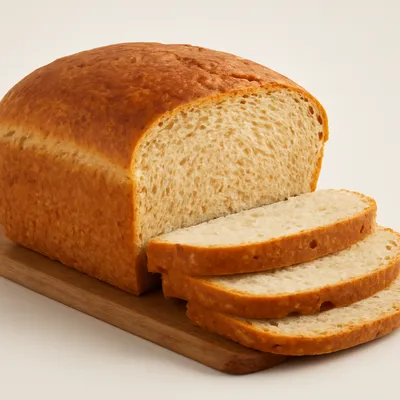


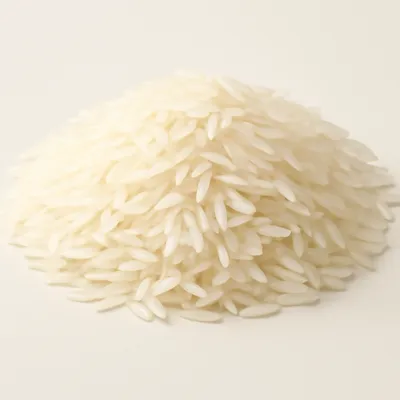





Sauces & Condiments




Other

On the Map
Where this cuisine is found
Regional Styles
Algiers & North-Center
The capital region — Andalusian-Moorish heritage from 1492 refugees, sophisticated tagines, the saffron-and-orange-blossom court tradition. Best French-Algerian fusion bistros also here.
Oran & West
Western Mediterranean coast, near the Moroccan border — coastal fish couscous, Spanish-influenced gazpacho-like soups, lighter spicing. Tlemcen makrout el louz is the western pastry capital.
Constantine & East
Eastern Algeria, the country's culinary capital — birthplace of tlitli (tiny rice-shaped pasta), the strongest pastry tradition, and the most-decorated chorba. Italian-Tunisian-Algerian crossroad.
Kabylie & Mountains
Berber heartland in the northeastern mountains — m'hajeb stretched flatbread, baghrir thousand-hole crepes, the country's strongest olive-oil culture. Berber-rooted simplicity.
How They Cook
Techniques that define this cuisine
Kindred Kitchens
Cuisines built on the same signature ingredients


