
Spongy semolina pancakes characterized by hundreds of tiny holes on the cooked surface — the result of yeast-and-baking-powder fermentation in a thin batter. Cooked on one side only, then drizzled with honey-butter and sometimes orange-blossom water. Ramadan breakfast and afternoon tea staple.





Baghrir (also called crêpes mille trous, 'thousand-hole pancakes') is shared across Algeria, Morocco, and Tunisia. The thousand holes are not just decorative — they're functional pockets that trap the honey-butter drizzle and prevent it from sliding off. Each country has its own preferences for thickness and sponge, and which version is 'most authentic' is a perennial cross-Maghreb debate. Ramadan iftar tables always feature baghrir alongside dates and chorba; weekend afternoon teas serve them with mint tea.
Tear into baghrir and the texture is between a crepe and a sponge — pliable, slightly chewy, fully porous. The holes have caught pools of melted butter-honey that burst on the tongue. Orange-blossom water perfumes the bite if added. The grain-y semolina character distinguishes baghrir from European pancakes. Coffee or mint tea cuts through the sweet; a small piece of fresh fruit (orange, fig) on the side completes the breakfast.
Yeast PLUS baking powder is what creates the thousand-hole texture — yeast bubbles rise slowly while baking-powder bubbles erupt quickly under heat. Cooking one side only is non-negotiable; flipping pops the holes flat. The wet batter (more water than typical pancakes) is necessary for the bubble-formation; thicker batter would yield denser cakes. The cold-batter-on-hot-pan temperature differential triggers immediate bubble eruption.
Variations
Cumin baghrir adds toasted cumin to the batter — Constantine variation. Sweet stuffed baghrir layers two pancakes with honey, almonds, and orange-blossom between. Savory baghrir is rolled around cheese, eggs, or harissa-spiced filling for an unusual lunch. Modern Algiers cafés serve baghrir with chocolate sauce — popular with tourists.
On the Palate
Where Baghrir sits in the Algerian flavor cloud
Ingredients
Serves 4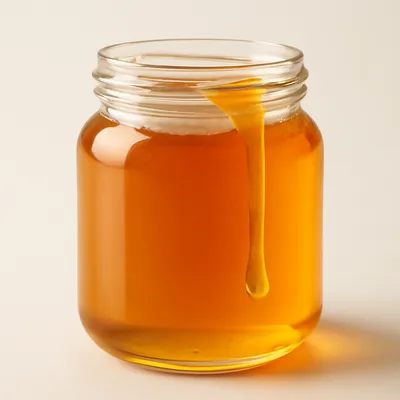

How it's made
9 steps · 30 min active + 30 min waiting
- 112 min
Activate yeast: warm 600 ml water to 35°C. Dissolve 7 g instant yeast + 1 tbsp sugar. Rest 10 min until foamy.
- 23 min
In a blender or food processor: blend 250 g fine semolina + 100 g all-purpose flour + 1 tsp salt + 1 tsp baking powder + the yeast-water mixture + 1 egg. Blend 90 seconds until completely smooth — no lumps.
- 327 min
Rest batter 25 min covered. It should bubble slightly and become foamy.
Watch outAfter the rest the batter should look foamy and lively on top — that active froth is what erupts into the thousand holes; a flat batter won't pit.
- 42 min
Heat a non-stick skillet (or seasoned cast iron) over medium-low. Do NOT grease the pan — baghrir is dry-cooked.
Watch outCook on a dry pan with no oil at all — grease smothers the bubbles before they can burst into open holes.
- 51 min
Pour 75 ml batter into the center of the hot pan; tilt to spread to a 15-cm round (about 5 mm thick).
- 63 min
Cook 2-3 min — DO NOT FLIP. As it cooks, hundreds of small bubbles appear on the surface and burst into permanent open holes. The pancake is done when the top is matte (no more wet shine) and the bottom is just pale golden.
Watch outNever flip it — pour, then watch bubbles rise and pop into permanent holes; it's done when the top goes matte and dry, no wet shine left.
- 725 min
Lift onto a plate. Cover loosely with a clean cloth to keep soft. Repeat with remaining batter (makes 8-10 pancakes).
- 83 min
Topping: melt 80 g butter + 6 tbsp honey + 1 tbsp orange-blossom water (optional) in a small pot.
- 94 min
Serve baghrir warm with the warm butter-honey poured over the top — the holes catch the drizzle. Mint tea on the side.


