


Tunisian
Harissa on everything, brick's runny egg, couscous on Friday, ojja on cold nights — North African Maghreb cooking with the most harissa-fire, Berber roots, and Sicilian-Italian threads woven through.
Harissa
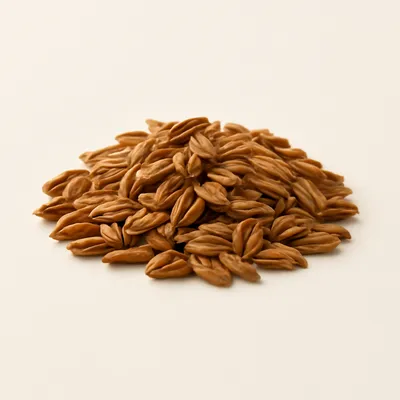
A fiery, fragrant red chile paste made from sun-dried red chiles (deseeded), garlic, caraway, coriander, cumin, salt, and olive oil, pounded together in a mortar to a coarse-fine puree. Spooned onto everything from couscous to shakshuka to bread; the Tunisian household necessity, with each family's recipe slightly different.
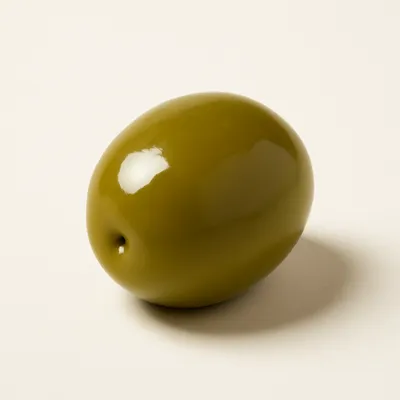
View page →Tunisian cooking is the spiciest of the Maghreb. Harissa — the deep-red chile-garlic-caraway paste — is the universal condiment that goes on and into nearly everything: spooned into shakshuka, drizzled on couscous, smeared on brik. Couscous is the Friday-feast grain, served under fish in coastal towns and lamb inland. Brik (paper-thin pastry around a runny egg yolk) is the unmistakable street-food signature. Egg dishes (ojja, chakchouka) sit alongside chickpea-based lablabi and the long-cooked dark mloukhia. Olives, citrus, sun-dried tomatoes, and Mediterranean seafood from Cap Bon and Djerba provide bright counterpoints. Berber-rooted countryside cooking sits alongside the more spice-forward urban Tunis-Sousse-Sfax repertoire; Ottoman and Italian-Sicilian threads weave through. The cuisine is bold, aromatic, harissa-anchored.
The Palate
Start Here
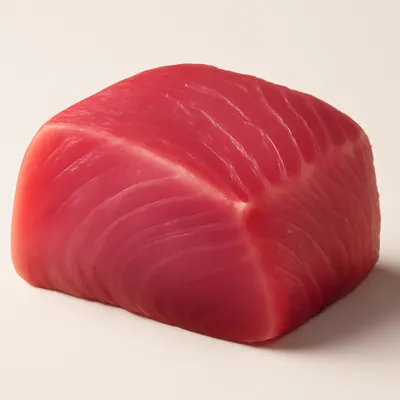
Paper-thin brick pastry folded around tuna, capers, and a whole raw egg yolk, deep-fried 90 seconds — the pastry shatters and the runny yolk floods the bite. Tunisian street-food icon.
Why start here · Brik is the dish that introduces the entire Tunisian playbook in one bite: harissa heat, tuna brininess, runny egg, shattering pastry. Eat one neatly and you're already a Tunisian.
Eggs poached in a harissa-spiced tomato-pepper-onion sauce — the breakfast that traveled the world via Sephardic-Mizrahi migration. Tunisian version is the original.
Why start here · Shakshuka teaches the Tunisian harissa-tomato-pepper foundation that underlies countless dishes here. Eaten with bread, it's also a complete meal.
Hand-rolled couscous steamed three times over a harissa-and-tomato broth with whole fish, chickpeas, and root vegetables. Friday lunch across the Mediterranean coast.
Why start here · Friday couscous is the Tunisian week's center of gravity. The three-steaming technique is essential and once you master it the rest of Maghreb couscous opens up.
Charred-and-peeled tomatoes, peppers, onions, garlic, and chiles hand-chopped with caraway and harissa, topped with tuna, egg, and olives. The Tunisian Mediterranean starter.
Why start here · Mechouia teaches the foundational char-and-chop technique that defines Maghreb vegetable cooking. The smoky-sweet result is unforgettable.
Cook First
The easiest way in

The Pantry






See all 163 ingredients›
Proteins







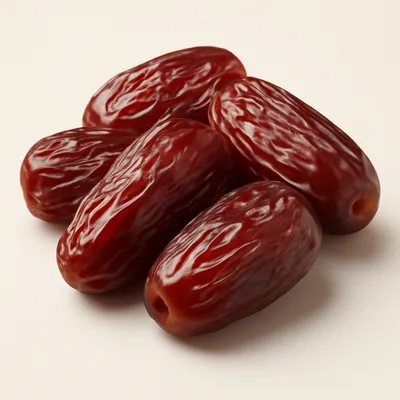
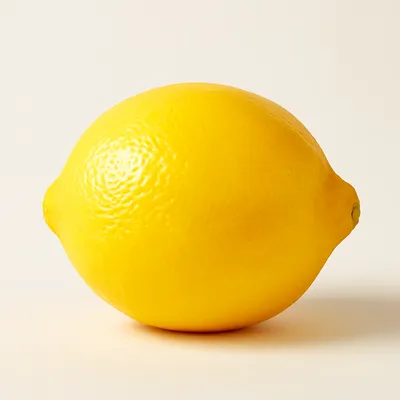

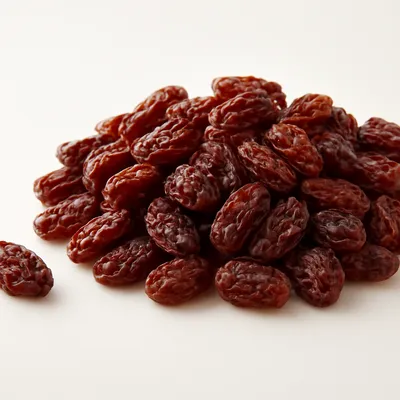


Herbs & Spices

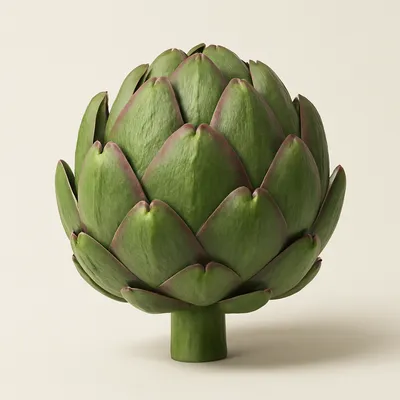


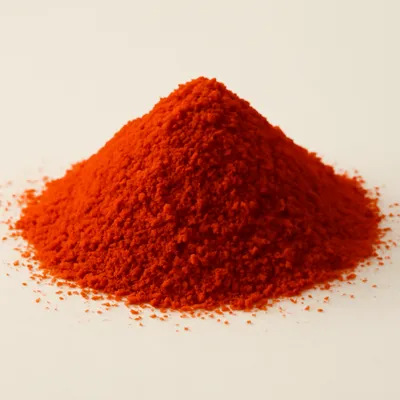

Grains & Staples


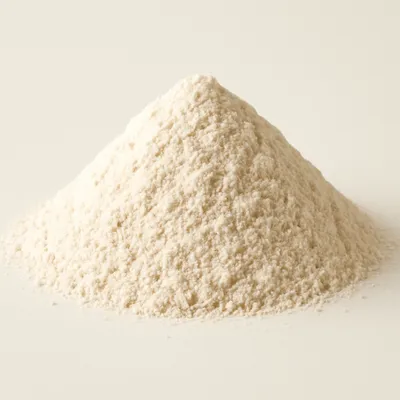

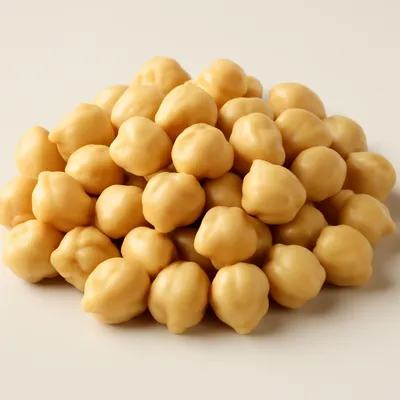
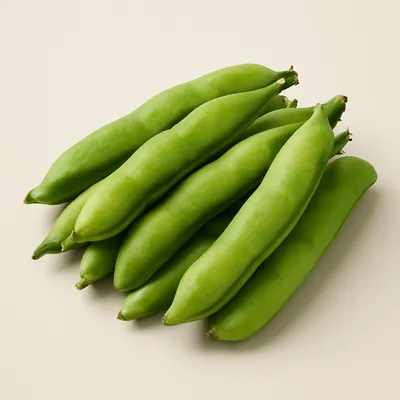

Dairy & Fats






Sauces & Condiments

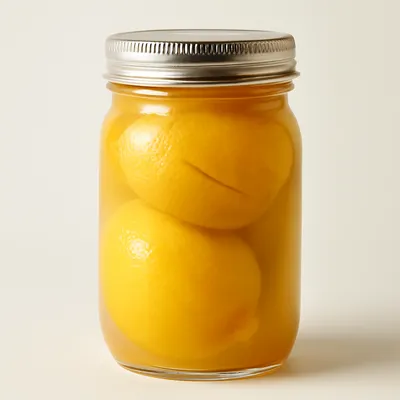



Other
Regions
Each region has its own table. Tap a province to see its dishes.
The refined cooking of the capital and the north — Ottoman and Andalusian influence, brik, slata mechouia, and the koucha roasts of Tunis, Cap Bon and Bizerte.
The olive-oil belt and fishing ports of the central-east coast — Sousse, Monastir, Mahdia and Sfax, home to Sfaxian charmoula, seafood couscous and kammounia.
The date-oasis belt and desert Berber south — Gabes, Djerba, Tataouine and Tozeur, with island seafood, oasis dates and the spice-forward cooking of the Gulf of Gabes.
The grain-growing highlands and Berber interior — Le Kef, Beja, Jendouba and Kairouan, source of couscous, mloukhia, game and the date-semolina makroudh of Kairouan.
How They Cook
Techniques that define this cuisine
Kindred Kitchens
Cuisines built on the same signature ingredients
Signature Dishes (78)
Browse all 78 dishes›
Starters
12Mains
32


