A Tunisian pudding of ground Aleppo pine seeds (zgougou) slow-cooked into a dense, resin-scented grey-brown cream, topped with an orange-blossom milk custard and decorated with pistachios, pine nuts, and dragées; traditionally prepared for Mouled, the Prophet's birthday, when decorated bowls are exchanged between families.

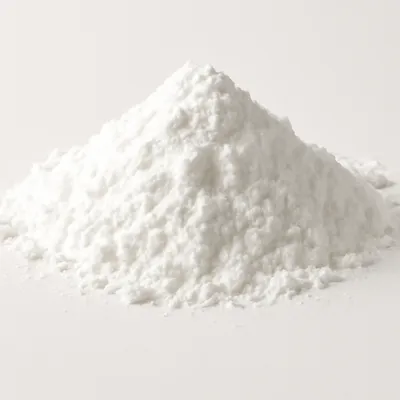
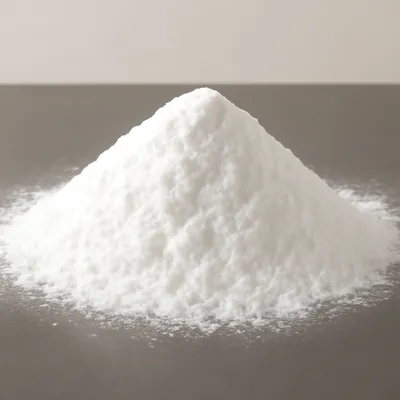


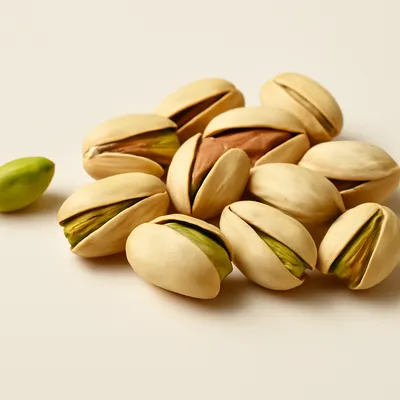
Assidat zgougou originated during Tunisia's 1864–1867 famine, when northwest Tunisians discovered that seeds from the Aleppo pine could be ground into nutritious flour. Historian Abdessatar Amamou traces the dish to Berber-Ifriqiyan heritage rooted in the indigenous use of Aleppo pine forests. The survival staple was gradually refined with milk, sugar, and orange blossom water, evolving into a festive dessert exclusively reserved for Mouled, the Prophet Muhammad's birthday, when neighbours exchange beautifully decorated bowls as a gesture of celebration and community.
The grey-brown pine seed base is dense and faintly resinous; the white orange-blossom custard on top is cool, silky, and delicate; pistachios, pine nuts, and coloured dragées add festive crunch and contrast.
Ground Aleppo pine seeds release tannin-rich pigments that give the base its characteristic grey-brown colour. Cooking flour and starch with the pine liquid above 80°C triggers starch gelatinisation — granules absorb water, swell, and rupture to form a thick continuous gel. Constant stirring prevents localised scorching and ensures even chain extension. The custard top layer is a separately cooked milk-starch gel; its lower density keeps it floating on the denser pine base, setting into a distinct white layer as it cools, creating the dish's two-tone structure.
Variations
Northern Tunisians use wheat flour for the base; southern recipes substitute barley; Cap Bon regions sometimes use sorghum. Alternative base versions replace Aleppo pine seeds entirely with hazelnuts, chestnuts, or pistachios while retaining the same two-layer structure.
On the Palate
Where Assidat Zgougou sits in the Tunisian flavor cloud
Ingredients
Serves 6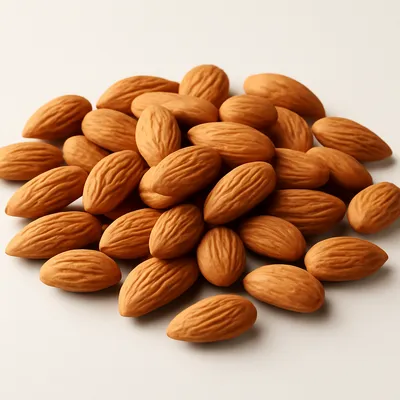
How it's made
9 steps · 15 min
- 15 min
Sort and rinse Aleppo pine seeds thoroughly, removing any debris or damaged seeds.
- 210 min
Grind the seeds with water in a blender until a smooth, dark liquid forms; pass through a fine sieve, discarding solids and retaining only the extracted liquid.
- 35 min
Whisk wheat flour and cornstarch into the pine liquid until completely smooth with no lumps.
- 420 min
Set over medium-low heat and stir constantly with a wooden spoon; gradually add powdered sugar as the mixture thickens, cooking for 15–20 minutes until a dense grey-brown cream forms.
Watch outStir the pine mixture constantly for 15–20 minutes until it thickens to a dense grey-brown cream — stop stirring and it scorches on the bottom in patches.
- 510 min
Ladle the hot pine cream into serving bowls, smooth the surface, and allow to cool for 10 minutes.
- 610 min
In a separate saucepan, whisk milk, cornstarch, and sugar over medium heat, stirring continuously until thickened; remove from heat and stir in orange blossom water.
Watch outCook the white custard until thickened, then add orange blossom water off the heat — its aroma is volatile and boils away on the flame.
- 73 min
Pour the white custard evenly over the pine cream in each bowl.
- 85 min
Decorate each bowl with pistachios, pine nuts, and coloured dragées.
- 9120 min
Refrigerate for at least 2 hours until fully set and chilled before serving.
Archive tool suggestions — not reviewed
These legacy suggestions have not been evidence-reviewed and are not presented as required tools.



