
A delicate milk-and-rice-flour pudding scented with rose water and orange-blossom water, garnished with chopped almonds, pistachios, and pomegranate seeds — the Tunisian Mediterranean version of the broader Levantine muhallabiya, simpler than Lebanese rose puddings. Served chilled in small ramekins.



Mhalbiya (مهلبية) is shared across Tunisia, Lebanon, Egypt, and Turkey — a milk-and-rice-flour pudding that has been a regional dessert for over a thousand years. The Tunisian version uses less sugar than Lebanese variants and slightly more aromatic-water (rose plus orange-blossom). Restaurants in Tunis serve mhalbiya in small ceramic ramekins; home kitchens make it for festive lunches and Ramadan iftar.
Spoon dips into pale-cream wobbly pudding — soft enough to give way but firm enough to hold its shape briefly. Rose and orange-blossom waters perfume the dairy without overwhelming; the rice-flour base is silky-smooth. Chopped nuts add crunch contrast; pomegranate provides tart bursts. Cold from the fridge is essential — at room temperature the texture goes soft.
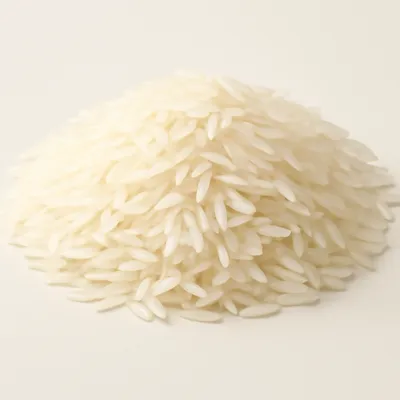
Rice flour (rather than cornstarch) gives mhalbiya its silky structure. Cornstarch is high in amylose, whose long linear chains realign and retrograde on cooling into a firm, sliceable gel; rice starch is lower in amylose and higher in amylopectin, so it sets more gently into a soft, creamy texture. Streaming the slurry into hot milk while whisking keeps the starch granules suspended and prevents lumps. The aromatic waters are added off-heat because heat would evaporate their volatile compounds.
Variations
Chocolate mhalbiya layers a chocolate pudding under the white. Pistachio-paste version mixes ground pistachios throughout the pudding base. Tunis old-city café version is served warm with date syrup. Modern individual-shot version in small glasses for buffets.
On the Palate
Where Mhalbiya Tunisienne sits in the Tunisian flavor cloud
Ingredients
Serves 6



How it's made
8 steps · 25 min active + 2 hours 5 min waiting
- 13 min
In a small bowl, mix 80 g rice flour with 100 ml cold milk to form a smooth slurry (no lumps). Set aside.
- 25 min
In a heavy saucepan, combine 800 ml whole milk + 100 g sugar + ¼ tsp salt. Bring to gentle simmer over medium-low, stirring to dissolve sugar — about 4 min.
- 310 min
Stream in the rice-flour slurry while whisking continuously. Continue whisking 8-10 min over low heat as the mixture thickens to a custard-pudding consistency. Use a wooden spoon to test — when it coats the spoon back, it's ready.
Watch outStream the slurry in while whisking without stopping — dump it in and it clumps; keep going until it coats the back of the spoon.
- 41 min
Off heat, whisk in 1 tbsp rose water + 1 tbsp orange-blossom water + ½ tsp vanilla (optional).
Watch outStir in the rose and orange-blossom waters only after it's off the heat — their fragrance boils straight off if the pot's still hot.
- 5135 min
Pour into 6 small ramekins or one large shallow dish. Cool 15 min at room temperature, then cover with plastic wrap touching the surface (to prevent skin). Refrigerate at least 2 hours, preferably 4-6.
Watch outPress the plastic wrap right onto the surface before it chills — leave a gap and a rubbery skin forms on top.
- 63 min
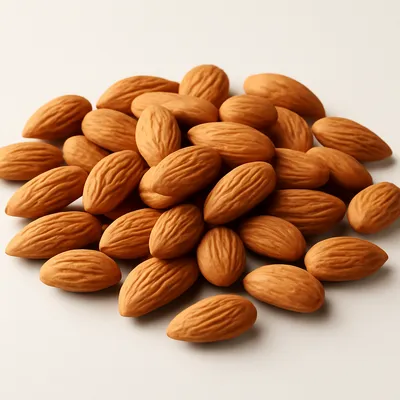
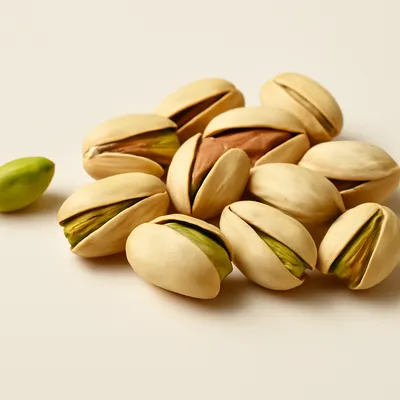
Just before serving, garnish each ramekin: 1 tbsp chopped pistachios + 1 tbsp chopped almonds + 1 tbsp pomegranate seeds + a few dried rose petals (if available).
- 71 min
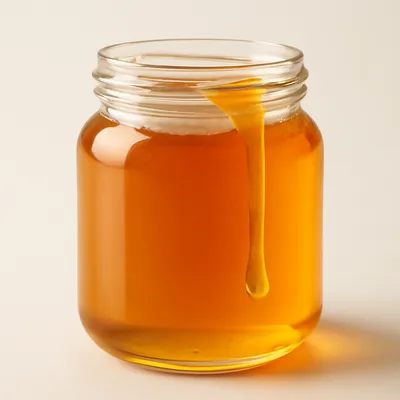
Optional: drizzle with 1 tsp honey for extra sweetness.
- 81 min
Serve cold. Best eaten within 24 hours; flavor concentrates over time but the texture firms.


