Tunisia's cheese-centered oven tajine: a crustless baked custard of eggs, melted cheese, diced chicken, green olives, and parsley that rises golden in the oven then slices cleanly into tender wedges. Jben is the Tunisian Arabic word for cheese; families once made fresh curd specifically for this dish, now more often replaced by Gruyère or processed cheese portions. On nearly every Tunisian hospitality table—wedding feast or neighborly visit alike.




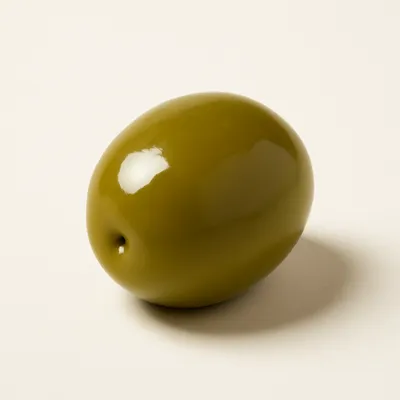

Jben is Tunisian Arabic for cheese; families historically pressed fresh sheep's or cow's milk curd—firm and mildly tangy, resembling a dense cottage cheese—specifically to make this tajine. The word tajine itself traces from Arabic ṭāǧīn, borrowed from the ancient Greek têganon meaning an earthen pan or terrine, and the Tunisian egg tajine takes its name from the terracotta vessel in which it was originally baked. Across Tunisia, the tajine jben occupies the role of hospitality emblem: a wedge offered to arriving guests at a wedding, a neighborhood afternoon, or a simple coffee visit signals the host's care and welcome.
Dense and richly savory, each slice holds together cleanly, releasing warm milky cheese fragrance as it gives. Olives deliver small bursts of brine; parsley lifts the richness with herbal freshness. Eaten cold the next day, the flavors concentrate into something even more satisfying.
Baking powder reacts with trace acids in the egg-milk mixture, releasing carbon dioxide that slightly aerates the batter before the proteins set. Egg proteins coagulate at 65–70°C into a continuous custard matrix; simultaneously, casein from the melting cheese redistributes through the network, enriching the custard and improving moisture retention. At 180°C the surface dehydrates: Maillard browning of proteins and sugars produces the golden crust and the toasted, savory aroma that distinguish a properly baked tajine from an overcooked slab.
Variations
Chicken can be replaced with ground veal, ground lamb, or canned tuna with diced boiled potato. Some cooks stir in capers, harissa, or roasted bell pepper. The Algerian cousin of this dish, called Bounarine, references an older technique of baking the tajine between two layers of embers—above and below—for radiant, even heat from both directions. The mixture can also be poured into individual brik-lined ramekins to make personal malsouka-crusted portions.
On the Palate
Where Tajine Jben sits in the Tunisian flavor cloud
Ingredients
Serves 6

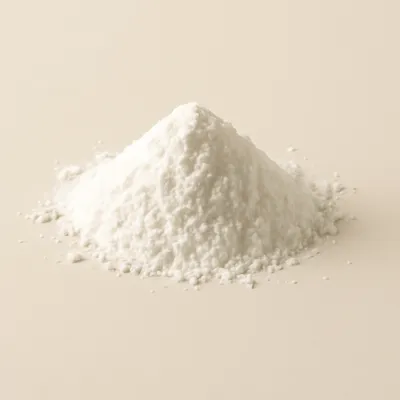

How it's made
6 steps · 15 min
- 112 min
Sauté finely diced onion in olive oil until soft; add diced chicken breast, minced garlic, turmeric, salt, and pepper. Cook 10 minutes over medium heat until the chicken is cooked through and any liquid has evaporated. Remove from heat and cool, then shred or dice finely.
Watch outCook the chicken until any liquid has fully evaporated — a wet mix waters down the egg custard so it never sets clean.
- 23 min
Beat 5 eggs in a large bowl with the milk, baking powder, salt, and pepper until lightly frothy.
- 33 min
Stir the grated cheese, breadcrumbs, processed cheese portions broken into small pieces, and sliced green olives into the egg mixture.
- 43 min
Add the cooled chicken and the chopped parsley; fold until evenly incorporated.
- 530 min
Pour the mixture into a buttered 22cm round baking dish. Bake at 180°C for 30 minutes until the center is fully set and the top is deep golden.
Watch outBake until the centre is fully set and the top deep golden — a wobbly middle means it needs more time.
- 65 min
Rest in the dish for 5 minutes; unmold or cut into wedges directly from the pan. Serve hot, warm, or at room temperature.
Archive tool suggestions — not reviewed
These legacy suggestions have not been evidence-reviewed and are not presented as required tools.


